Beverages sweetened with stevia are now a core category for beverage manufacturers responding to demand for zero sugar and sugar-free drinks. Across soda, energy drinks, tea, and powdered drink mixes, stevia is used to reduce calories while keeping sweetness levels that meet consumer expectations. For manufacturers, stevia offers a way to reformulate sugar soda and other sweetened beverages without relying on artificial sweeteners.
This guide explains how stevia is used in commercial beverages, how it behaves in formulations, and what manufacturers need to know about taste, glucose response, labeling, and ingredient selection. The goal is to support product development teams creating beverages sweetened with stevia at scale.
At US Sweeteners, we supply bulk sweeteners and beverage ingredients to manufacturers across the United States. Our role is to support consistent production through reliable inventory, flexible packaging, and nationwide logistics for companies creating modern beverage products.
What Stevia Is From a Manufacturing Perspective
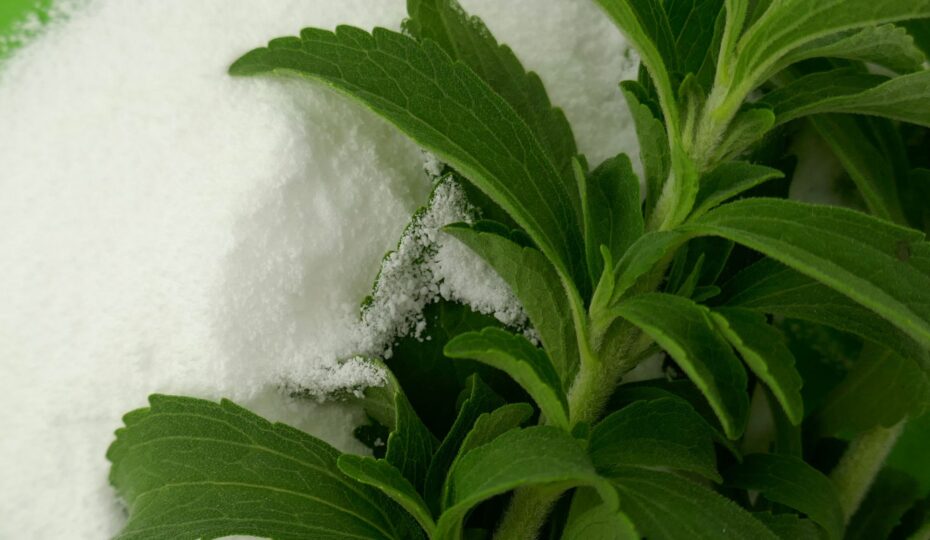
Stevia is a plant-based sweetener derived from the leaves of Stevia rebaudiana, a plant native to South America. While the plant itself has a long history of use, commercial beverages rely on purified extracts rather than raw leaf material. These extracts provide predictable sweetness intensity and stable performance in food and beverages.
The compounds used in beverages are steviol glycosides. These are hundreds of times sweeter than sugar, which allows manufacturers to achieve sweetness targets with very low inclusion rates. This characteristic is central to stevia’s role in reducing calories while maintaining flavor in finished drinks.
Regulatory Status and Ingredient Compliance
Only high-purity steviol glycosides are generally recognized as safe for use in food and beverages. This distinction matters in manufacturing, since whole leaf stevia and crude extracts are not approved for commercial beverage use.
From a compliance standpoint, beverage manufacturers must ensure that stevia ingredients meet purity standards and are sourced from reputable suppliers. Ingredient documentation, spec sheets, and traceability are critical when stevia is used in large-scale beverage production.
According to research, Functionalities, health benefits and potential risks, the sweetness of stevia comes from natural compounds called steviol glycosides, primarily stevioside and rebaudioside A. These compounds are significantly sweeter than sucrose, often estimated to be about 250 to 300 times sweeter than sugar, which allows manufacturers to achieve the same sweetness level in foods and beverages using much smaller quantities of sweetener. Because of this high sweetness intensity, stevia extracts are widely used as non-caloric sugar substitutes in modern food and beverage formulations.
Why Beverage Manufacturers Use Stevia
Stevia is used in beverages primarily to reduce sugar without eliminating sweetness. Sugar contributes significantly to calorie counts, especially in soda, juice, and energy drinks that are consumed quickly and often.
For manufacturers, stevia supports:
- Zero sugar and sugar-free product lines
- Lower-calorie beverages are aligned with weight and calorie awareness
- Reformulation of legacy products without drastic flavor loss
Stevia also allows brands to avoid artificial sweeteners such as aspartame and sucralose, which some consumers actively avoid. This positioning has become a standard requirement for many beverage launches.
Stevia and Sweetness Performance
Stevia does not behave like sugar in terms of taste delivery. Sweetness develops differently and can linger longer on the palate. This makes formulation strategy essential when creating beverages sweetened with stevia.
Lower-quality stevia ingredients may introduce bitter or metallic notes. Well-formulated beverages address this through careful ingredient selection, blending, and flavor pairing. Citrus profiles, especially lemon, are commonly used to support flavor balance and mask unwanted aftertaste.
Common Beverage Categories Using Stevia
Stevia is used across multiple beverage formats, each with different formulation demands.
Soda and Sparkling Beverages
Stevia is widely used in zero-sugar soda to replace sucrose while maintaining sweetness. Carbonation can amplify aftertaste, so sweetness curves and flavor systems must be calibrated carefully.
Energy Drinks and Energy Mixes
Energy drinks often combine stevia with caffeine, vitamins, and functional ingredients. Powdered energy packet formats are especially sensitive to sweetness balance because they are mixed directly into water by the end user.
Tea and Ready-to-Drink Teas
Tea pairs well with stevia because its natural bitterness can help offset sweetness differences. Stevia allows tea beverages to stay sweetened without high sugar loads.
Lemonade and Citrus Drink Mixes
Products like True Lemon peach lemonade highlight how stevia supports citrus-forward flavor systems. Lemon acidity helps keep sweetness clean while limiting calories.
Flavored Water and Vitamin Beverages
Stevia is commonly used in flavored water products that include added vitamins. These beverages aim for light sweetness that encourages frequent consumption throughout the day.
Ingredient Blends and Hidden Sugar Sources
From a manufacturing standpoint, stevia is rarely used alone. Commercial sweetener systems often include fillers or carriers such as maltodextrin or dextrose to improve handling, dosing accuracy, and mouthfeel.
These additional ingredients can affect:
- Total carbohydrate content
- Glucose response
- Nutrition labeling
Manufacturers must account for these components when positioning beverages as sugar-free or zero sugar. A clear understanding of the full ingredient system prevents labeling errors and consumer confusion.
Stevia and Glucose Response
Stevia itself does not raise blood glucose levels in the way sugar does. This characteristic makes it useful for beverages aimed at glucose-conscious consumers.
However, blends that include dextrose or similar ingredients may introduce small glucose impacts. Manufacturers need to evaluate the complete formulation rather than focusing on stevia alone when making claims related to glucose or metabolic response.
Dental and Functional Considerations
Unlike sugar, stevia does not feed oral bacteria associated with plaque and cavities. This makes stevia-sweetened beverages appealing for products marketed toward families and kids.
For manufacturers, this benefit supports positioning beverages as lower-impact alternatives to traditional sweetened drinks, especially in categories where frequent sipping occurs.
Taste Optimization at Scale
Taste consistency is a key concern when scaling beverages sweetened with stevia. Batch-to-batch variation in stevia quality can lead to noticeable differences in flavor.
Best practices include:
- Using standardized stevia grades
- Locking in flavor systems that compensate for stevia’s sweetness curve
- Testing across shelf life and temperature ranges
These steps help maintain a stable taste experience across production runs.
Packaging Formats and Use Cases
Stevia is used across multiple packaging formats, including:
- Cans and bottles for soda and tea
- Stick packs for drink mixes
- Bulk beverage bases for foodservice
Each format places different demands on solubility, stability, and sweetness delivery. Powdered packet products, for example, must dissolve cleanly in water without clumping or uneven sweetness.
Daily Consumption Patterns and Product Design
Manufacturers often design stevia beverages for repeat consumption across the day. These drinks may be positioned for lunch, mid-day energy, or hydration between meals.
Lower-calorie profiles allow consumers to enjoy multiple servings without significant calorie accumulation. This consumption pattern is a major driver behind the growth of beverages sweetened with stevia.
Creating Beverages Sweetened With Stevia at Scale
For manufacturers, success with stevia depends on ingredient quality, supply consistency, and formulation support. Stevia’s high sweetness intensity means small changes in inclusion rate can affect final taste.
If you are developing new drink formulations or scaling zero-sugar beverage products, ingredient sourcing becomes a critical part of maintaining flavor consistency and production efficiency. We offer bulk sweeteners and ingredient solutions specifically designed for beverage manufacturers, helping brands create soda, tea, energy drinks, flavored water, and drink mixes with reliable sweetness and stable supply. If you are looking for dependable ingredient sourcing for large-scale beverage production, explore our Sweeteners for Beverage Manufacturing solutions to see how our distribution network supports beverage companies across the United States.
Conclusion
Beverages sweetened with stevia have become a standard part of modern beverage manufacturing. Stevia supports sugar reduction, calorie control, and plant-based positioning across soda, tea, energy drinks, and flavored water. When formulated and sourced correctly, it allows manufacturers to meet market demand without sacrificing flavor or production efficiency.
At US Sweeteners, we work with beverage manufacturers to supply bulk stevia systems and complementary sweetener ingredients through a nationwide distribution network. Our services support consistent production, flexible packaging, and reliable inventory for beverage brands at every stage. To learn how our ingredient supply and logistics services can support your beverage formulations, contact us to discuss your production needs.
FAQs
What types of beverages commonly use stevia?
Stevia is widely used in soda, energy drinks, tea, flavored water, lemonade, and powdered drink mixes designed to be sugar-free or zero sugar.
Is stevia approved for use in commercial beverages?
Yes. High-purity steviol glycosides are generally recognized as safe for use in food and beverages when sourced and used correctly.
Why do manufacturers blend stevia with other ingredients?
Blending improves sweetness balance, mouthfeel, and dosing accuracy. Fillers such as maltodextrin are often used for handling and consistency.
Does stevia affect glucose levels in finished beverages?
Stevia itself does not raise glucose levels, but manufacturers must evaluate the full formulation, including any added carriers or fillers.