Understanding Organic Maltodextrin: Benefits and Uses
Organic maltodextrin is a widely used ingredient in many processed foods, including salad dressings, meal replacement shakes, and sports drinks. It serves various functions, such as a thickener, preservative, or bulking agent, and is commonly found in products designed for convenience. Although it carries the “organic” label, organic maltodextrin is still a processed carbohydrate that offers minimal nutritional value.
Although it may sound like a healthier option due to the organic label, it’s important to understand what organic maltodextrin is and how it impacts your health. In this article, we will explore its uses, benefits, and potential risks to help you make more informed food choices.
What is Organic Maltodextrin?
Organic maltodextrin is a carbohydrate derived from starches such as corn, rice, potato, or tapioca. It is produced through a process called hydrolysis, where starch is broken down into shorter glucose chains using water, heat, and sometimes enzymes. This results in a white, water-soluble powder commonly used in food processing.
According to the U.S. Food and Drug Administration (FDA), maltodextrin is considered “Generally Recognized as Safe” (GRAS) for use in food products. It serves various functions, including acting as a thickener, stabilizer, and bulking agent in many processed foods. Despite its “organic” label, the production process involves significant processing, which may strip away most of the original nutrients from the source starch.
How Organic Maltodextrin is Made
Organic maltodextrin is created by breaking down starches such as corn, rice, potato starch, and sometimes wheat. The process of hydrolysis, which uses enzymes or acids, breaks these starches into smaller glucose molecules, creating maltodextrin. Even though the source may be organic, the process results in a highly processed ingredient that lacks the nutritional benefits of whole foods.
Sources of Maltodextrin:
- Corn: Commonly used, but often derived from genetically modified (GMO) corn unless labeled “certified organic.”
- Rice and Potato Starch: Gluten-free alternatives used to make maltodextrin.
- Organic Tapioca Maltodextrin: A preferred gluten-free and organic option, commonly used in health-conscious products.
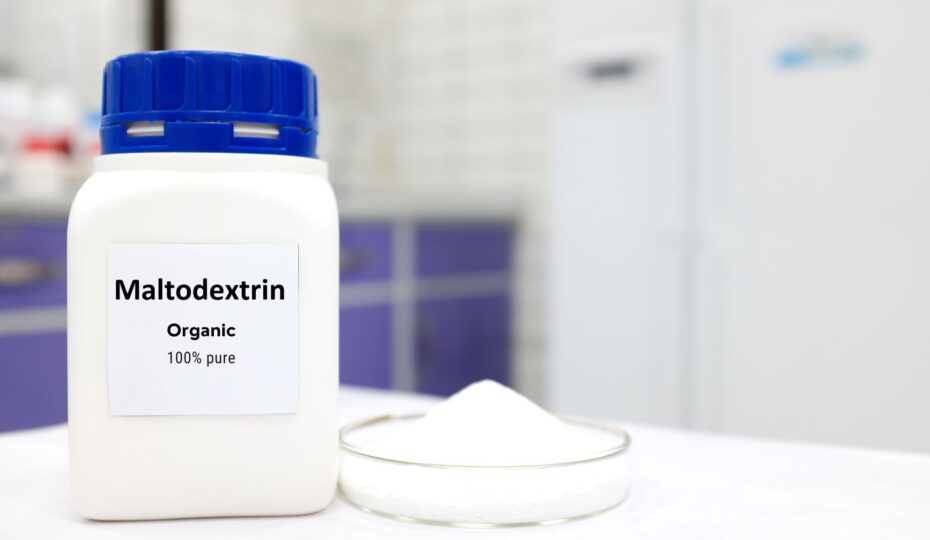
Maltodextrin appears as a white powder and has a neutral taste, making it versatile for use in a variety of food products.
Common Uses of Organic Maltodextrin
Organic maltodextrin is used in a wide range of processed foods to improve texture, bulk, and shelf life. Common products that contain maltodextrin include:
- Salad Dressings: Helps stabilize the dressing and prevents separation.
- Frozen Desserts: Adds texture and smoothness.
- Instant Puddings: Serves as a bulking agent and enhances creaminess.
- Sports Drinks and Meal Replacement Shakes: Provide a quick source of energy for athletes.
- Baked Goods: Used as a thickening agent to add volume and texture without altering flavor.
- Yogurt and Sauces: Enhances viscosity and shelf stability.
While maltodextrin is commonly used in many processed foods, it does not contribute any significant nutritional benefits, serving mainly functional purposes.
The Benefits of Organic Maltodextrin
Organic maltodextrin is a fast-digesting carbohydrate that provides a quick source of energy, making it ideal for sports and meal replacement products. It also serves as a versatile ingredient in food manufacturing, improving texture, stability, and consistency in a wide range of products. Additionally, it is often used in gluten-free foods to enhance structure and volume.
Energy Source
One of the primary benefits of organic maltodextrin is its ability to provide a quick source of energy. Because it’s a fast-digesting carbohydrate, it’s often included in products like sports drinks and meal replacement shakes to help replenish energy stores during or after physical activity.
Stabilizing and Thickening Agent
Organic maltodextrin’s neutral taste and ability to dissolve in water make it an ideal thickening agent in various foods. It’s used to create stable textures in processed foods like salad dressings and instant puddings, preventing separation and improving consistency.
Gluten-Free and Versatile
Organic maltodextrin made from rice or potato starch is often used in gluten-free products. It helps improve the texture and volume of baked goods or other products that would otherwise be lacking in structure without gluten-based ingredients.
Nutritional Considerations
Despite being derived from organic starches, organic maltodextrin lacks any significant nutritional value. It is essentially a form of carbohydrate with no fiber, vitamins, or minerals. Although it provides energy, it does not contribute to a well-balanced diet, making it unsuitable for long-term use as a major food ingredient.
High Glycemic Index
One of the key concerns with organic maltodextrin is its high glycemic index (GI), which means it can cause rapid increases in blood sugar levels. This can be problematic for individuals with diabetes or those trying to manage their blood sugar levels. Consuming foods with high GI, like maltodextrin, may lead to insulin spikes and, over time, could contribute to the development of diabetes or obesity.
Risks of Consuming Organic Maltodextrin
Organic maltodextrin can cause digestive issues, including bloating and diarrhea, as it may disrupt the gut microbiota. Additionally, its high glycemic index can contribute to weight gain by providing empty calories, leading to fat storage, especially when consumed in excess or alongside a sedentary lifestyle.
Digestive Issues
Regular consumption of maltodextrin can lead to digestive discomfort, such as bloating, gas, and diarrhea. Studies have shown that maltodextrin can alter the gut microbiota, suppressing the growth of beneficial bacteria while promoting harmful bacteria. This imbalance may contribute to gastrointestinal disorders like IBS and SIBO.
Weight Gain
Due to its high glycemic index, organic maltodextrin can contribute to weight gain. It provides empty calories and can lead to fat storage if not used for immediate energy needs, especially when combined with a sedentary lifestyle or consumed in large quantities.
Healthier Substitutes for Maltodextrin
If you’re concerned about the health risks associated with maltodextrin, there are several natural and healthier alternatives:
- Guar Gum: A natural thickening agent derived from the guar bean, commonly used in gluten-free recipes.
- Pectin: A naturally occurring substance found in fruits like apples and citrus, often used in jams and jellies.
- Stevia and Honey: Natural sweeteners that do not have the glycemic impact of maltodextrin.
- Resistant Maltodextrin: A form of maltodextrin that resists digestion, acting more like fiber and causing less of a rise in blood sugar levels.
By using these alternatives, you can avoid the unwanted side effects of maltodextrin while still achieving the desired texture and sweetness in your recipes.
Is Organic Maltodextrin Right for You?
Maltodextrin can be beneficial when quick energy is needed, such as during intense physical activity or for people who require rapid digestion of carbohydrates. It is often found in sports drinks and meal replacement shakes to help boost energy and replenish glycogen stores.
Who Should Avoid Maltodextrin?
Individuals with diabetes or insulin resistance should avoid maltodextrin due to its high glycemic index, which can cause spikes in blood sugar levels. This can be problematic for managing insulin sensitivity and overall health.
Those seeking weight loss may also want to limit their maltodextrin consumption, as it can contribute to fat storage. Additionally, people with digestive issues or conditions like IBS should consider eliminating it, as it can disrupt gut bacteria and cause gastrointestinal problems.
Conclusion
Organic maltodextrin is a highly processed carbohydrate used in various processed foods to improve texture, stability, and shelf life. While it provides a quick energy source, its lack of nutritional value and potential health risks, such as blood sugar spikes, digestive issues, and weight gain, make it a less desirable option for regular consumption. For those looking to avoid its potential drawbacks, there are natural alternatives such as guar gum, pectin, and stevia that can be used as healthier substitutes in cooking and baking.
If you’re looking to make healthier food choices, focusing on organic products free from highly processed ingredients like maltodextrin can help you maintain a better diet and overall health. At US Sweeteners, we offer a variety of natural sweeteners and healthier alternatives to help support your dietary needs. Contact us today to learn more about our products, pricing, and how we can assist you in making healthier choices.
FAQs
What is organic maltodextrin made from?
Organic maltodextrin is made from starches like corn, rice, potato, or tapioca. These starches are broken down into smaller glucose units using enzymes or acids through a process called hydrolysis.
Is organic maltodextrin safe to consume?
Yes, organic maltodextrin is generally recognized as safe (GRAS) by the FDA. However, it is a highly processed carbohydrate and may contribute to blood sugar spikes, weight gain, and digestive issues if consumed in excess.
What are the uses of organic maltodextrin in food?
Organic maltodextrin is commonly used as a thickener, bulking agent, and preservative in processed foods like salad dressings, instant puddings, frozen desserts, meal replacement shakes, and sports drinks.
Does organic maltodextrin have any nutritional value?
No, organic maltodextrin lacks significant nutritional value. It provides quick energy in the form of carbohydrates but has no fiber, vitamins, or minerals.
Can organic maltodextrin cause weight gain?
Yes, organic maltodextrin can contribute to weight gain, especially when consumed in large amounts. Its high glycemic index causes rapid blood sugar spikes, leading to fat storage if not used for immediate energy needs.

Thomas is a product expert at US Sweeteners, a trusted bulk sugar and sweetener distributor serving food and beverage manufacturers across the USA. He writes about sweetener sourcing, ingredient trends, and supply chain insights for the food industry.