
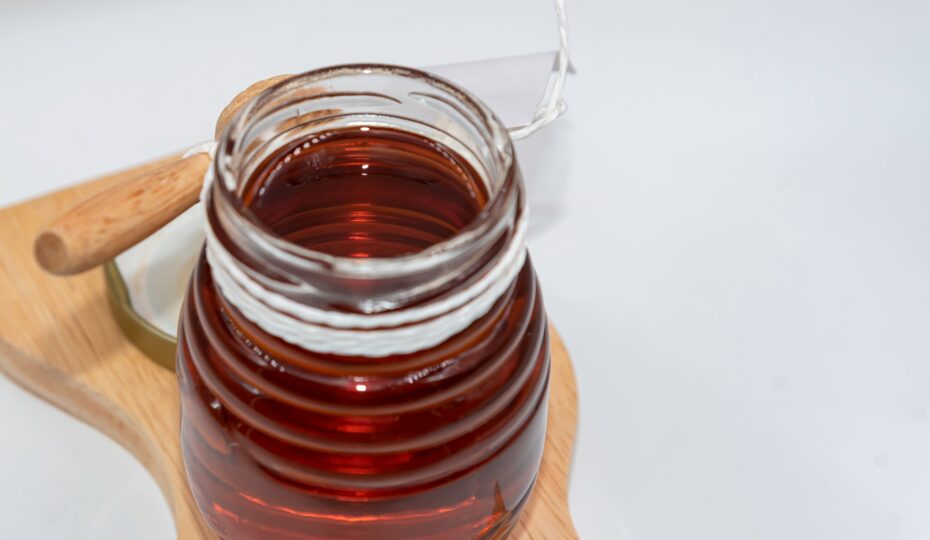
Understanding Glucose and Fructose Syrup
Glucose and fructose syrup a common sweeteners used in many foods and drinks found on grocery store shelves. It’s made by combining two simple sugars, glucose and fructose, and is used for its sweetness, smooth texture, and ability to improve shelf life. You’ll often find it in soft drinks, baked goods, jams, and packaged snacks. Because it’s a liquid, it blends easily and helps food manufacturers create products that stay fresh and taste consistent.
This guide will explain how glucose and fructose syrup compare to regular table sugar, both in calories and how the body processes them. While it has been part of health discussions for years, current research shows that its effects are similar to other common sweeteners when used in moderation.
What Are Glucose and Fructose?
Glucose and fructose are two types of simple sugars. These are found in many foods and form the basic units of most sweeteners used in the food industry. Glucose is the body’s main energy source. It helps maintain blood sugar levels and supports physical and mental performance. Fructose, often called fruit sugar, is the sweetest naturally occurring sugar and is commonly found in fruits, root vegetables like sweet potatoes, and fruit juice.
Glucose and fructose are classified as simple sugars because they consist of a single sugar unit. They belong to a group called monosaccharides, which includes other sugars like galactose. These sugars occur naturally in starchy foods, fruits, and honey. They can also be extracted and processed into industrial sweeteners.
What Is Glucose and Fructose Syrup?
Glucose and fructose syrup is a liquid sweetener made by combining glucose and fructose in varying ratios. Unlike sucrose, where glucose and fructose are chemically linked, in syrups they exist as free glucose molecules and unbound fructose. This changes how they function in food processing and how they are absorbed by the body.
There are several naming variations for this type of syrup:
- Glucose fructose syrup (GFS): Fructose is less than 50%
- Fructose glucose syrup (FGS): Fructose is more than 50%
- High fructose corn syrup (HFCS): Term used in the United States when derived from corn syrup
These syrups are used in many food products due to their sweetness, consistency, and shelf-stable properties. Because of their liquid form and sweetness profile, they are common in soft drinks, baked goods, processed foods, and canned and packed goods.
How Glucose and Fructose Syrup Is Made
The production of glucose and fructose syrup begins with corn starch in the U.S. or maize starch and wheat starch in the EU. These are starchy foods that contain long chains of glucose molecules.
Here is a step-by-step breakdown of how the syrup is made:
- Extraction: Starch is extracted from raw materials such as corn.
- Hydrolysis: Enzymes break the starch into individual glucose units, producing glucose syrup.
- Isomerization: Some of the glucose is converted into fructose using a specific enzyme (glucose isomerase).
- Blending: The resulting syrup is adjusted to create the desired fructose content.
Common Syrup Types and Fructose Levels
| Syrup Type | Fructose Content | Main Use |
|---|---|---|
| Glucose Syrup | 0–10% | Confectionery, texture agent |
| HFCS 42 | 42% | Baked goods, canned foods |
| HFCS 55 | 55% | Soft drinks, sodas |
| Fructose-Glucose Syrup | >50% | Specialized food applications |
| Glucose-Fructose Syrup | <50% | General food and beverage use |
These syrups are formulated to meet specific needs across the food and beverage industry.
Where It’s Used in the Food Industry
Glucose and fructose syrup is commonly used across the food and beverage industry, especially in processed foods. Food manufacturers use it not only for its sweetness but also for its ability to improve texture, prevent crystallization, and extend shelf life. This syrup blends well with other ingredients and helps retain moisture, making it a functional choice in many food products that require stability and consistency.
You’ll find glucose and fructose syrup in soft drinks, fruit juice concentrates, canned and packed goods, and baked goods such as cakes, pastries, and cookies. It’s also used in confectionery items like jams and candies, as well as dairy products like flavored yogurt. Its versatility makes it a key sweetener in high fructose corn syrup (HFCS) accounts and a reliable option for large-scale food production.
GFS vs HFCS vs Other Sugars
The name of the syrup often depends on its fructose content and the country where it is produced.
- In the European Union, if fructose is more than 10%, the syrup is labeled as isoglucose. Over 50% fructose content is labeled fructose-glucose syrup.
- In the United States, the same product made from corn sugar is known as high fructose corn syrup (HFCS), with common forms being HFCS 42 and HFCS 55.
- The Corn Refiners Association represents U.S. producers of HFCS and advocates for its nutritional equivalence with other sweeteners.
These naming differences are regulatory but not chemical. The composition remains consistent across naming conventions.
Nutritional Value and Energy Intake
Glucose and fructose syrup a sources of carbohydrates and provide 4 kilocalories per gram, similar to cane sugar, table sugar, and other caloric sweeteners. As a nutritive sweetener, it contributes to total energy intake just like other sugars found in food products. It plays the same nutritional role in the diet as traditional sweeteners and is widely used in both beverages and processed foods.
According to the European Food Safety Authority, carbohydrates, including those from added sugars and fructose-containing sweeteners, should make up 45–60% of total energy intake for adults and children. Glucose and fructose syrup is considered nutritionally equivalent to sucrose and are often used as an alternative in baked goods, canned and packed goods, and other starchy foods where sweetness and consistency are needed.
Compared to Other Sweeteners
Sugar vs. Glucose and Fructose Syrup
| Feature | Table Sugar (Sucrose) | Glucose and Fructose Syrup |
|---|---|---|
| Structure | Glucose + Fructose (linked) | Glucose + Fructose (unlinked) |
| Form | Granulated | Liquid |
| Digestion | Broken into two sugars | Absorbed as-is |
Corn Syrup vs. HFCS
- Corn syrup is mostly glucose, made from corn starch
- Fructose corn syrup (HFCS) is made by adding fructose through enzyme conversion
Other sugar alternatives include fruit juice concentrates, cane sugar, and other sugars used in specific formulations.
Conclusion
Glucose and fructose syrups are widely used throughout the food industry due to their functionality, cost efficiency, and compatibility with many products. They offer key benefits like improved texture, moisture retention, and consistent sweetness, making them valuable in a wide range of processed foods. These syrups are commonly used in soft drinks, canned goods, baked items, and other packaged products where stability and flavor are priorities. Because they are similar to regular sugar in how they affect the body, they remain a popular choice for manufacturers looking to balance performance and affordability in food production.
At US Sweeteners, we supply high-quality glucose and fructose syrups in bulk to support the needs of food and beverage manufacturers across the country. Our syrups are made to deliver consistency, performance, and purity in a wide range of applications from sodas and sauces to confections and baked goods. Explore our food-grade syrup options and enjoy dependable service and nationwide delivery. Ready to source syrups you can count on? Contact us today to get started.
FAQs
What is the difference between glucose, fructose syrup, and table sugar?
Glucose and fructose syrup is a liquid sweetener made from unbound glucose and fructose, while table sugar (sucrose) is made up of glucose and fructose chemically bonded. The syrup blends easily in food and drinks, but both provide the same calories and have similar effects on the body.
Is high fructose corn syrup worse than regular sugar?
No. High fructose corn syrup (HFCS) and regular sugar (sucrose) are nutritionally equivalent. Both contain around 50% fructose and 50% glucose, offer 4 kcal per gram, and have similar effects on body weight and metabolism when consumed in equal amounts.
How is glucose and fructose syrup made?
Producers extract starch from corn in the U.S. or maize/wheat in Europe. Then they hydrolyze it into glucose syrup, isomerize some of it into fructose, and blend them to reach the desired fructose content (such as HFCS 42 or HFCS 55).
Can consuming glucose and fructose syrup lead to fatty liver disease?
Only when consumed in excess. Like other added sugars, high intake of glucose and fructose syrups can lead to high-calorie intake, which in turn may increase the risk of fatty liver, insulin resistance, and metabolic syndrome.
Why do food manufacturers use glucose and fructose syrup?
Manufacturers use it for its sweetness, liquid form, moisture retention, and ability to prevent crystallization. It helps improve flavor stability, texture, and shelf life in soft drinks, baked goods, canned foods, and other processed products.

Thomas is a product expert at US Sweeteners, a trusted bulk sugar and sweetener distributor serving food and beverage manufacturers across the USA. He writes about sweetener sourcing, ingredient trends, and supply chain insights for the food industry.