Natural Sweeteners for Baking: Healthier Alternatives to Sugar
Ever grabbed a snack and spotted “glucose syrup” on the label without giving it much thought? You’re not alone. This sweet, thick syrup shows up in everything from candy and soda to sauces and baked goods, but most people don’t know what it actually is or why it’s so common.
In this guide, we’ll break it down in plain terms. You’ll learn what glucose syrup is made from, how it’s processed, and how it compares to other options like natural sweeteners for baking. Whether you’re a curious shopper or just want to understand what’s really in your food, this quick read has you covered.
Understanding Natural Sweeteners: Your Complete Options
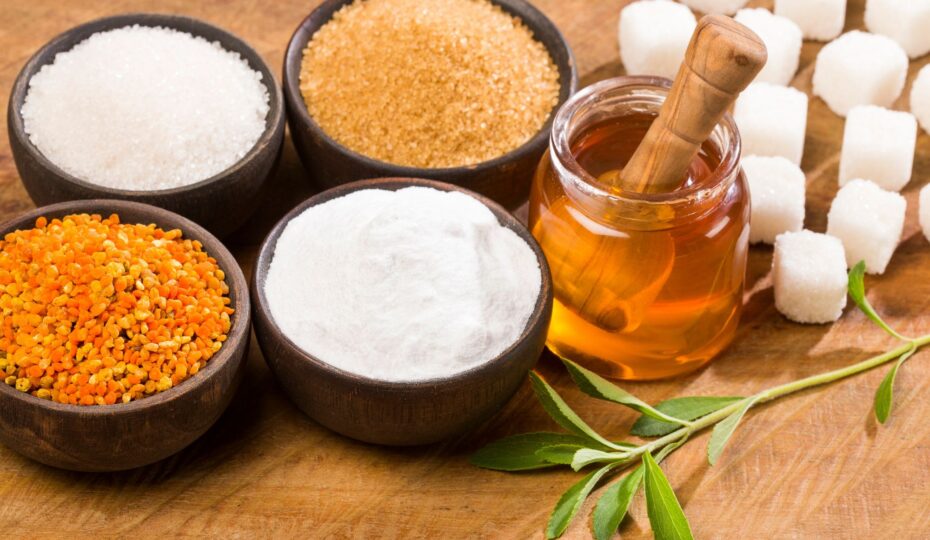
Natural sweeteners fall into three main categories, each offering unique benefits for different baking applications. Understanding these categories helps you choose the right sugar alternative for your specific needs.
Zero and Low-Calorie Natural Sweeteners
Stevia
Stevia stands out as one of the most popular zero-calorie sweeteners derived from the stevia plant. This natural sweetness powerhouse is up to 450 times sweeter than sugar, making it incredibly cost-effective for large-scale baking. When using liquid stevia, you’ll typically need just 1 teaspoon to replace 1 cup of granulated sugar, though you may need to reduce oven temperature slightly to prevent over-browning.
Monk fruit extract
Monk fruit extract offers another excellent zero-calorie option with intense sweetness that’s about 300 times stronger than regular table sugar. Unlike some sugar alcohols, monk fruit doesn’t cause digestive issues and maintains its sweet taste even at high temperatures, making it ideal for baked goods that require longer cooking times.
Sugar alcohols
Like erythritol, sugar alcohols provide the closest texture match to traditional sugar crystals. With only 0.2 calories per gram compared to sugar’s 4 calories, erythritol works exceptionally well in cookies and cakes where you need the bulk and structure that granulated sugar normally provides. However, be aware that xylitol, while safe for humans, is extremely toxic to dogs.
Natural Caloric Sweeteners
Pure maple syrup
Pure maple syrup from sugar maple trees offers a distinctive flavor profile along with beneficial minerals like manganese, zinc, and potassium. As a liquid sweetener, you’ll need to reduce other liquids in your recipe when substituting ¾ cup of maple syrup for each cup of processed sugar. The natural sugars in maple syrup also provide excellent browning properties for cookies and pastries.
Coconut sugar
Also called coconut palm sugar, delivers a mild flavor similar to brown sugar with a lower glycemic index than white sugar. Made from evaporated cane juice of coconut flowers, this natural sweetener works as a direct 1:1 replacement for regular sugar in most recipes, making it perfect for beginners transitioning to healthier alternatives.
Raw honey
Raw honey brings antioxidants and antibacterial properties to your baked goods while providing natural sweetness. Since honey is sweeter than sugar, use ⅔ cup of honey for every cup of sugar and reduce liquid ingredients by ¼ cup. The enzymes in raw honey can also help create a more tender texture in cakes and muffins.
Fruit-Based Natural Options
Unsweetened applesauce
Works wonderfully as a sugar substitute while adding moisture and reducing overall calories. Replace sugar with an equal amount of applesauce, but reduce other liquids by ¼ cup to maintain proper consistency. This healthier alternative works especially well in muffins and quick breads.
Mashed bananas
Provide natural sweetness along with potassium, fiber, and vitamin B6. Use 1 cup of mashed bananas to replace 1 cup of sugar, and reduce liquid ingredients accordingly. The natural fruit sugars create excellent moisture retention, though they do add a subtle banana flavor to your final product.
Date sugar
Made from ground dried dates, date sugar offers fiber and minerals while providing concentrated sweetness. Unlike liquid sweeteners, date sugar doesn’t dissolve completely, making it ideal for crumb toppings and streusel applications where texture variation is desired.
Health Benefits of Natural Sweeteners
The shift toward natural sweeteners isn’t just about reducing sugar intake—it’s about choosing ingredients that support overall health. Unlike refined sugar and high fructose corn syrup, many natural alternatives provide additional nutritional benefits.
- Blood Sugar Management: Replacing sugar with lower glycemic index options can help regulate blood sugar levels. For example, coconut sugar has a GI of 35, compared to table sugar’s 65, causing less dramatic spikes. This makes natural sweeteners especially beneficial for people managing diabetes or insulin sensitivity.
- Heart Health Support: Cutting back on processed sugars is linked to a lower risk of heart disease and fatty liver. Natural sweeteners like maple syrup contain antioxidants that may reduce inflammation, while honey includes compounds with antibacterial and healing properties.
- Digestive and Oral Health: Whole food sweeteners such as dates and fruit purees offer fiber that supports digestion along with natural sweetness. Some sugar alcohols, like erythritol, don’t feed harmful oral bacteria, making them a better choice for maintaining dental health than refined sugar.
Application-Specific Baking Tips
Different baked goods require different approaches when substituting natural sweeteners. Understanding these applications ensures consistent, delicious results every time.
- For cookies and bars, coconut sugar works exceptionally well because it provides the crystalline structure needed for proper texture. The slight molasses flavor in coconut palm sugar adds complexity that enhances chocolate chip cookies and oatmeal bars.
- For cakes and muffins, liquid sweeteners like maple syrup or agave syrup create excellent moisture retention. The key is balancing the added liquid by reducing other wet ingredients and potentially adding a bit more flour for structure.
- For bread and yeast-based items, honey and maple sugar provide food for yeast while contributing to browning. Avoid using artificial sweeteners or some sugar alcohols in yeast breads, as they won’t feed the yeast properly.
- For vegan recipes, agave nectar, maple syrup, and coconut sugar serve as excellent honey substitutes while maintaining the natural sweetness your recipes need.
Troubleshooting Common Issues
Even experienced bakers encounter challenges when switching to natural sweeteners. Here are solutions to the most common problems:
- Dense or heavy results: Often occur when using too much liquid sweetener. Always reduce other liquids in your recipe and consider adding extra leavening agents to compensate for the additional moisture.
- Insufficient sweetness: This can happen with mild-flavored options like brown rice syrup. Combine gentle sweeteners with more intensely sweet options like a touch of liquid stevia to achieve the desired sweetness level.
- Texture problems: Frequently arise when substituting granulated sugar with liquid alternatives. Maintain proper texture by adding flour as needed and understanding that some natural sweeteners won’t provide the exact same mouthfeel as traditional sugar.
- Storage issues: Can develop because natural sweeteners may retain more moisture than refined sugar. Store baked goods in airtight containers and consider using natural preservatives like vitamin E to extend shelf life.
Conclusion
Natural sweeteners offer more than just a healthier alternative to refined sugar—they bring unique flavors, nutritional benefits, and versatility to your baking. Whether you’re looking to lower the glycemic index of your recipes, support better heart health, or create cleaner-label products for customers, the right natural sweetener can make a noticeable difference. Understanding how to choose and use these options ensures your baked goods stay delicious, functional, and aligned with today’s health-conscious trends.
US Sweeteners offers a complete range of bulk natural sweeteners for all your baking and manufacturing needs. Whether you’re scaling up production or exploring healthier ingredients, our team is here to help. Contact us today for inquiries, pricing, or to place an order.
FAQs
What is the healthiest sweetener for baking?
Stevia and monk fruit are considered the healthiest options as they’re zero-calorie, don’t affect blood sugar levels, and are derived from natural plants without processing chemicals, unlike refined cane sugar.
How do you sweeten baked goods naturally?
You can sweeten baked goods naturally using fruit purees like mashed bananas, natural syrups like maple syrup or honey, or plant-based sweeteners like stevia and coconut sugar. Adjust liquids when using wet sweeteners or fruit juice concentrates.
What is the healthiest natural sweetener?
Stevia is widely considered the healthiest natural sweetener because it’s calorie-free, doesn’t spike blood sugar, and comes directly from the stevia plant with minimal processing. It’s also commonly used in products like sugar-free chewing gum due to its intense sweetness and safety profile.
What can I use instead of sugar in baking?
Popular sugar substitutes for baking include coconut sugar (1:1 replacement), maple syrup (¾ cup per cup of sugar), honey (⅔ cup per cup), unsweetened applesauce (1:1 ratio), mashed bananas, and zero-calorie options like stevia or erythritol.

Thomas is a product expert at US Sweeteners, a trusted bulk sugar and sweetener distributor serving food and beverage manufacturers across the USA. He writes about sweetener sourcing, ingredient trends, and supply chain insights for the food industry.