
What is Unrefined Sugar? Exploring Its Types and Uses
Last updated: April 30, 2026
For manufacturers, processors, and bulk ingredient buyers, understanding what is unrefined sugar is essential for formulation, sourcing, and production consistency. At US Sweeteners, we operate as a wholesaler supplying unrefined sugars in bulk formats tailored for large-scale operations across the food and beverage industries.
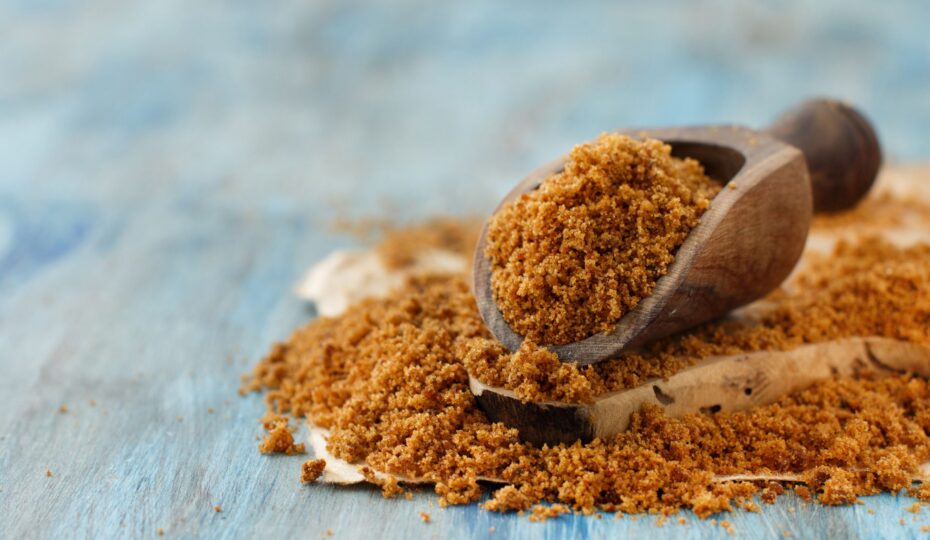
Unrefined sugars are derived from sugar cane plants or sugar beets using a minimal production process, allowing them to retain original cane molasses, natural moisture, and trace minerals. Compared to refined sugar, table sugar, or granulated white sugar, these retained components influence processing behavior, flavor development, and overall formulation performance.
Understanding Sugar Basics in Production
Chemically speaking, both refined and unrefined sugar are primarily composed of sucrose, a compound made up of glucose and fructose, which are fundamental sugar molecules that can influence blood sugar levels. The difference lies in what remains after the sugar refining process, particularly molasses content, moisture, and residual compounds.
In industrial systems, these differences affect water activity, solubility, and consistency across batches. Variations in sugar content and retained elements from cane juice can influence mixing efficiency, thermal behavior, and stability in processed formulations.
What Makes Sugar “Unrefined” in Industrial Terms?
Unrefined sugars are produced from evaporated cane juice, where the refining process is limited compared to white sugar or powdered sugar manufacturing. This reduced processing preserves functional components that are otherwise removed in fully refined products.
According to a study, refined sugar is typically composed of nearly pure sucrose and undergoes multiple refining stages that can remove naturally occurring minerals, while also involving chemical processing steps. The study also highlights that excessive use of refined sugar in processed foods and beverages has been associated with increased risks of non-communicable conditions, which has led to growing interest in natural sugars and less processed alternatives, such as unrefined sugars, in food manufacturing.
Types of Unrefined Sugars Used in Manufacturing
Several types of unrefined and raw sugars are used across global manufacturing systems, each offering specific performance characteristics. These include muscovado, jaggery, panela, piloncillo, rapadura, and sucanat, which vary in moisture content, particle size, and molasses levels.
Other unrefined sweeteners such as coconut sugar, maple sugar, and date sugar are also used in targeted formulations. In some production systems, complementary ingredients like agave nectar, brown rice syrup, maple syrup, or even brown sugar may be incorporated, depending on viscosity requirements or when a liquid form of sweetener is needed.
Nutritional Profile and Formulation Considerations
From a formulation standpoint, both unrefined and refined sugars deliver similar caloric values and are classified as added sugars. While unrefined sugars contain slightly more natural nutrients, they are not typically used as a primary source of nutritional value in production.
| Component | Unrefined Sugar | Refined Sugar |
| Calories | 375 | 387 |
| Minerals | 0.5–1% | Trace |
| Moisture | 3–7% | Minimal |
| Sucrose | 90–95% | 99.9% |
However, moisture and molasses content directly influence hygroscopicity, which can alter flow Moisture and molasses content directly influence hygroscopicity, which can alter flow behavior in dry blending systems and increase variability in high-speed production lines.
In high-temperature applications such as baking or confectionery, retained molasses can also accelerate Maillard reactions, leading to faster browning and potential flavor deviations if not properly controlled.
Industrial Applications of Unrefined Sugars
Unrefined sugars are widely used in large-scale production systems where both functionality and ingredient positioning are important. Their retained molasses contributes to enhanced flavor development, improved color, and increased moisture retention in finished products.
They are commonly used in processed foods, beverage concentrates, syrups, and formulated products requiring a balance between sweetness and functional performance. Compared to alternatives like high fructose corn syrup or certain artificial sweeteners, unrefined sugars support cleaner labeling while maintaining reliable processing characteristics.
Bulk Storage and Handling Considerations
Due to higher moisture levels compared to granulated sugar or extra fine granulated sugar, unrefined sugars require controlled storage conditions. Exposure to humidity can result in clumping, reduced flowability, and inconsistencies during handling.
To maintain quality, bulk quantities should be stored in sealed, food-grade containers within low-humidity environments. Proper storage management helps prevent issues related to raw sugar impurities and ensures consistent performance across production cycles.
Difference Between Refined and Unrefined Sugar
Unrefined sugars retain original cane molasses, resulting in a darker color, higher moisture, and a more complex flavor compared to refined sugar. In contrast, refined sugar undergoes a complete sugar refining process, producing uniform sugar crystals composed of nearly pure sucrose, similar to standard table sugar.
In manufacturing environments, these differences influence processing behavior, including mixing, dissolution rates, and thermal performance. The higher moisture content of unrefined sugars can also impact storage and handling requirements while contributing to enhanced product characteristics.
Why Manufacturers Choose Unrefined Sugars
Manufacturers select unrefined sugars to support formulation goals related to flavor, moisture control, and product differentiation, especially when comparing refined and unrefined sugar performance in production systems. Their composition aligns with increasing demand for natural sugars and organic sweeteners in commercially produced goods.
In addition, unrefined sugars can reduce the need for additional flavoring components, improving formulation efficiency. Compared to highly processed inputs such as confectioners’ sugar, they provide a more balanced functional profile for a range of industrial applications.
Bulk Storage Best Practices
Proper storage is critical for maintaining the performance of unrefined sugars in bulk operations. Airtight, food-grade containers help protect against environmental exposure that can compromise product quality.
Maintaining a cool, low-humidity storage environment and keeping inventory elevated off the floor helps ensure hygiene, consistency, and long-term usability. These practices are essential for maintaining stable supply conditions in manufacturing environments.
Conclusion
At US Sweeteners, we supply unrefined sugars in bulk quantities for manufacturers, processors, and distributors. Our focus is on consistent quality, reliable supply, and formats designed to support large-scale production.
For industrial applications, the key consideration is how these sugars perform within specific production systems. Selecting the right type of cane sugar or raw cane sugar can directly impact consistency, efficiency, and overall product quality.
FAQs
What is unrefined sugar?
Unrefined sugar is minimally processed sugar that retains molasses, moisture, and trace minerals from cane or beets.
How is unrefined sugar different from refined sugar?
Unrefined sugar retains molasses and moisture, while refined sugar is processed into nearly pure sucrose.
Is unrefined sugar used in food manufacturing?
Yes, it is widely used across the food and beverage industries for flavor, color, and functional performance.
Does unrefined sugar affect product formulation?
Yes, its moisture and molasses content impact texture, shelf life, and processing consistency.

Thomas is a product expert at US Sweeteners, a trusted bulk sugar and sweetener distributor serving food and beverage manufacturers across the USA. He writes about sweetener sourcing, ingredient trends, and supply chain insights for the food industry.