
What Is Invert Sugar? The Complete Guide
Last Updated: May 6, 2026
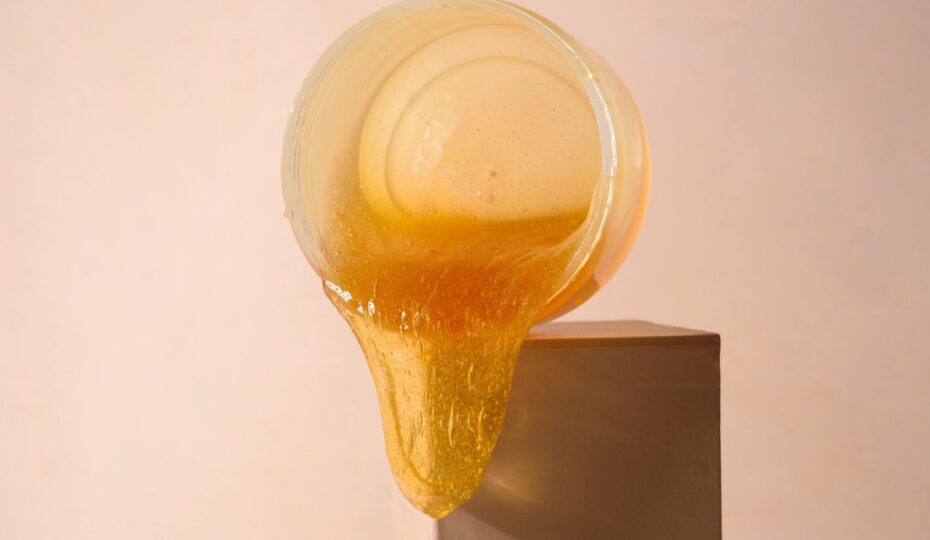
Invert sugar is a liquid sweetener made when table sugar, or sucrose, is broken down into glucose and fructose. It is typically a thick syrup or paste, while regular sugar is crystalline. This change makes it sweeter, easier to dissolve, and better at retaining moisture than regular granulated sugar. It is commonly used in baked goods, candy, beverages, syrups, and frozen desserts.
This guide explains how invert sugar works in both recipes and commercial formulas, especially for beverages, candy, baked goods, syrups, and fillings. For manufacturers, its value comes from functional control: better solubility, smoother texture, improved moisture retention, crystallization management, and more consistent Brix.
Understanding the Science Behind Invert Sugar
Invert sugar is a liquid sweetener created when table sugar, or sucrose, is broken down into its component simple sugars: glucose and fructose. In regular granulated table sugar, glucose and fructose molecules are chemically bonded together to form sucrose. During the inversion process, these chemical bonds are broken, resulting in a mixture where the glucose and fructose exist separately in solution.
This transformation happens through a process called hydrolysis, where water breaks the bonds between the sugar molecules. The reaction can be accelerated by adding heat and either an acid, like citric acid or cream of tartar, or an enzyme. This is why invert sugar behaves differently from regular table sugar in recipes and commercial formulas.
Why Is It Called Invert Sugar?
ScienceDirect defines invert sugar as an equal mixture of glucose and fructose produced when sucrose, or table sugar, is broken down through hydrolysis. The name comes from the way this process changes the sugar solution’s optical rotation, or how it rotates polarized light.
A sucrose solution rotates polarized light in one direction. After sucrose breaks down into glucose and fructose, the resulting mixture rotates light in the opposite direction. That shift is where the name “invert sugar” comes from.
In its pure form, invert sugar is usually a clear, thick liquid with a consistency similar to honey. It contains roughly equal parts glucose and fructose in solution, which makes it different from regular table sugar and other liquid sweeteners like high fructose corn syrup.
How Invert Sugar Is Made
Invert sugar can be produced both commercially and at home through relatively simple processes. In both cases, the process starts with a sucrose solution, then uses heat, acid, or enzymes to separate the sugar molecules.
Commercial Production Methods
Commercial manufacturers usually make invert sugar through one of two methods:
- Acid hydrolysis: This involves heating a sucrose solution with a food-grade acid, such as citric acid, under controlled temperature conditions. The acid helps break the bond between glucose and fructose.
- Enzymatic inversion: This method uses an enzyme called invertase to split sucrose into glucose and fructose. It often works at lower temperatures and can give manufacturers more control over the final syrup.
Manufacturers can control the degree of inversion to produce fully inverted or medium invert syrups. Fully inverted syrup offers stronger sweetness, solubility, and crystallization control. Medium invert sugar keeps some sucrose intact, which can help balance sweetness, body, and texture in formulas where full inversion is unnecessary.
Types and Forms of Invert Sugar
Invert sugar is available in several different forms, each with specific applications:
100% Invert Sugar
100% invert sugar means all the regular sugar has been fully split into a liquid mix of glucose and fructose. It is usually a clear, thick syrup with stronger sweetness, solubility, and anti-crystallization properties than regular sugar. This makes it useful in candy, baked goods, syrups, fillings, and ice cream, where smooth texture and moisture retention matter.
Partial or Medium Invert Sugar
Only some of the sucrose has been inverted, typically leaving a mix of original sugar and inverted sugar. This balance can be useful when complete inversion is not needed, especially in formulas that need moisture retention, smoother texture, or controlled sweetness.
Natural Sources of Invert Sugar
Honey is one of the best-known natural sources of invert sugar. Honeybees use an enzyme called invertase to convert nectar into a mixture of glucose and fructose. Smaller amounts of natural invert sugar can also form in fruits and maple syrup when sucrose breaks down through natural acids, heat, or ripening.
Commercial Invert Sugar Products
Commercial invert sugar products are liquid sweeteners made with glucose and fructose for specific food production uses. Common options include trimoline, inverted sugar syrup, medium invert sugar, and other liquid sweetener blends used in baking, confectionery, and beverage production.
Behind Invert Sugar’s Unique Properties
Invert sugar possesses several properties that make it useful in applications where regular table sugar may not perform as well. These properties matter in baking, candy making, beverages, frozen desserts, and commercial food production.
Enhanced Solubility
Free glucose and fructose molecules dissolve more readily in water compared to sucrose, especially in cold liquids. This makes invert sugar useful for sweetening iced coffee drinks, cold beverages, flavored syrups, and beverage concentrates without the grittiness of undissolved sugar crystals.
For beverage makers, better solubility can also support batch consistency because the sweetener is already in liquid form.
Increased Sweetness
Fructose is sweeter than sucrose. Because invert sugar contains free fructose, it can provide more sweetness than regular sugar at the same amount. That does not make invert sugar a health ingredient. It is still an added sugar. Its main value is functional: it helps balance sweetness, sugar content, texture, and liquid solids in a formula.
Moisture Retention
Invert sugar is hygroscopic, meaning it attracts and holds moisture. This property helps baked goods stay soft longer and prevents them from drying out quickly. For commercial bakeries, moisture retention matters beyond the oven. Products often need to hold their texture during packaging, shipping, and shelf display. Invert sugar can help slow drying when used at the right level in the formula.
Anti-Crystallization
Invert sugar resists crystallization. This makes it useful for creating smooth-textured candies, frostings, fondants, ganache, caramels, fillings, and frozen desserts without the gritty texture that can develop from sugar crystals.
A practical example is fudge or caramel. When sugar crystals grow too large, the texture can turn grainy instead of smooth. Invert sugar helps control that risk and supports a smoother finished product.
Impact on Freezing Point
Invert sugar lowers the freezing point of mixtures, making ice creams and sorbets softer and more scoopable straight from the freezer. This can help frozen desserts feel smoother and less icy when used at the right level.
In commercial production, freezing behavior affects more than texture. It can influence how a product performs after storage, transport, and repeated temperature changes.
Brix and Formula Consistency
Brix measures soluble solids in a liquid and is commonly used to monitor sugar concentration. In beverage syrups, sauces, fillings, and dessert bases, invert sugar can help control sweetness, body, and consistency. For manufacturers, Brix is a practical quality-control point because it helps confirm whether each batch meets the intended sugar level before packaging or distribution.
Culinary Benefits and Applications of Invert Sugar
Invert sugar is used in foods and beverages because it improves sweetness, texture, moisture retention, solubility, and crystallization control. These properties make it useful in both home recipes and commercial formulas where consistency matters.
| Application | Common Uses | Why Invert Sugar Helps |
| Baked goods | Cookies, brownies, cakes, pastries, sweet breads | Retains moisture and helps products stay soft longer |
| Confectionery | Fudge, ganache, caramels, toffees, fondants, and icings | Helps reduce crystallization for a smoother texture |
| Frozen desserts | Ice cream, sorbet, gelato, frozen beverage bases | Helps reduce large ice crystals and improves scoopability |
| Beverages | Coffee drinks, cocktails, mocktails, flavored syrups, concentrates | Dissolves easily and supports consistent sweetness |
| Fermentation | Beer, kombucha, wine | Provides readily available glucose and fructose |
For manufacturers, the right use depends on the product goal. A bakery may use invert sugar for moisture retention, a candy maker may use it to control crystallization, and a beverage brand may use it for solubility, Brix, and batch consistency.
Invert Sugar vs. Other Sweeteners
Understanding how invert sugar compares to other common sweeteners can help you choose the right option for your recipe or formula. The main difference is how each sweetener affects sweetness, solubility, moisture, and crystallization.
Invert Sugar vs. Regular Table Sugar
Regular table sugar is dry, granulated sucrose made of glucose and fructose bonded together. Invert sugar is made when that bond is broken, creating a liquid sweetener with free glucose and fructose. This is a key part of understanding what invert sugar is and why it behaves differently from regular sugar.
Invert sugar dissolves more easily than granulated sugar, especially in cold liquids. It also tastes sweeter, retains moisture in baked goods, and helps prevent sugar crystals in candies, syrups, ganache, and frozen desserts. Table sugar is still better when a recipe needs dry structure or bulk, while invert sugar works better when smooth texture, moisture, and crystallization control matter.
Invert Sugar vs. High Fructose Corn Syrup
Invert sugar and high fructose corn syrup are both liquid sweeteners that contain glucose and fructose, but they come from different sources. It is made by breaking down sucrose from table sugar, while high fructose corn syrup is produced from corn starch through enzymatic processing. Their sugar ratios can also differ. Invert sugar usually contains roughly equal parts glucose and fructose, while common HFCS grades may contain a higher fructose level depending on the application. Both can support sweetness, moisture retention, and crystallization control, but manufacturers may choose one over the other based on cost, label preference, flavor, Brix, and product use.
Invert Sugar vs. Simple Syrup
Simple syrup and invert sugar are both liquid sweeteners made with sugar and water, but they are not the same. Simple syrup is granulated sugar dissolved in water, so the sucrose stays intact. Invert sugar is made when sucrose is split into glucose and fructose through heat, acid, or enzymes. Simple syrup works well for basic liquid sweetness in drinks, cocktails, and coffee drinks, while invert sugar is thicker, sweeter, and more functional because it resists crystallization, retains moisture, and supports smooth texture in baked goods, candy, syrups, and frozen desserts.
Invert Sugar vs. Honey
Invert sugar and honey are both liquid sweeteners that contain glucose and fructose, retain moisture, and help improve texture. The main difference is origin, flavor, and consistency. Invert sugar is a manufactured syrup made by breaking down sucrose, so it is usually more neutral, clear, and consistent for commercial baking, candy, ice cream, syrups, and fillings. Honey is naturally made by bees and adds its own flavor, color, acidity, and natural variation, so it works better when a honey-like flavor is part of the recipe.
Nutritional Information and Health Considerations
Invert sugar contains about 46 calories and 13 grams of sugar per tablespoon, or 15 mL, which is similar to other added sugars like table sugar and corn syrup. It has no meaningful fat, protein, fiber, vitamins, or minerals. Nutritionally, it should be treated like other added sugars, even though sucrose has been split into glucose and fructose.
It should not be treated as a healthier sweetener. High added sugar intake is linked with negative health outcomes, including weight gain, heart disease, type 2 diabetes, fatty liver disease, and tooth decay. Its main value is functional, not nutritional: it retains moisture, supports shelf life, and helps prevent crystallization in baked goods, candy, and syrups.
Buying and Storing Invert Sugar
For home bakers looking to experiment with invert sugar, options may include professional pastry ingredients like trimoline, specialty liquid cane sugars labeled as inverted sugar syrup, and natural alternatives like honey.
For beverage, candy, and bakery manufacturers, invert sugar should be selected by function, not just sweetness. Beverage formulas may require a clear syrup with reliable Brix and cold-solubility. Candy and fondant formulas may need stronger crystallization control. Baked goods and fillings may require moisture retention to maintain softness through packaging, shipping, and shelf display.
What to Look For
- Brix or solids content: Helps control sweetness, body, and batch consistency in beverages, syrups, and fillings.
- Degree of inversion: Fully inverted syrup and medium invert sugar behave differently in candy, beverages, and baked goods.
- Crystallization control: Important for candy, fondants, icings, ganache, syrups, and smooth-textured fillings.
- Color and flavor: A neutral, clear syrup works better when the formula should not add a honey-like flavor or darker color.
- Packaging and handling: Commercial users may need pails, drums, totes, or other production-friendly formats.
Storage Recommendations
Store invert sugar according to the supplier’s instructions. Most products should be kept sealed, clean, and protected from contamination, moisture, and extreme heat. If the syrup begins to crystallize, gentle warming may help restore a smoother texture, but repeated heating can affect color, flavor, and handling quality.
Expert Tips for Working with Invert Sugar
To get the most out of this versatile sweetener, use it as a functional ingredient rather than a direct one-for-one replacement for granulated sugar.
- Adjust for sweetness and liquid content: Invert sugar is sweeter than regular sugar and already contains water, so formulas may need less added sweetener or less added liquid.
- Check Brix in beverages and syrups: For beverage applications, Brix helps track sugar content, body, and batch consistency. This is especially useful for flavored syrups, coffee drinks, concentrates, and ready-to-drink products.
- Use it to manage crystallization in candy: Invert sugar can help prevent sugar crystals in caramels, fondants, icings, ganache, and other candies that need a smooth texture.
- Watch moisture retention in baked goods: Invert sugar retains moisture, which can help cookies, cakes, pastries, and fillings stay soft. Too much may make products sticky, so the usage level should match the desired texture.
- Avoid overheating: High heat can darken the syrup or change its flavor. Use controlled heating, especially in candy, sauces, and syrups.
Conclusion
Invert sugar is a liquid sweetener made by breaking sucrose into glucose and fructose. This gives it useful properties that regular sugar does not always provide, including better solubility, increased sweetness, moisture retention, and crystallization control. These qualities make it useful in beverages, candy, baked goods, syrups, frozen desserts, and fillings where texture, Brix, moisture control, and consistency matter. For commercial users, invert sugar is most valuable when a formula needs reliable solubility, smoother texture, controlled crystallization, or improved softness over shelf life.
U.S. Sweeteners can help businesses source invert sugar and other liquid sweeteners based on application, Brix target, solubility needs, crystallization control, moisture retention, packaging format, and production goals. Contact the team to discuss the right sweetener for your beverage, candy, bakery, syrup, or food manufacturing process.
FAQs
What do you mean by invert sugar?
Invert sugar is a liquid sweetener made when table sugar is broken down into glucose and fructose. It dissolves easily, retains moisture, and helps prevent crystallization.
What’s the difference between regular sugar and invert sugar?
Regular sugar is dry sucrose, while invert sugar is a liquid syrup made of free glucose and fructose. Invert sugar is sweeter, dissolves faster, and helps keep foods smooth and moist.
Is honey an invert sugar?
Yes, honey is a natural form of invert sugar because it contains glucose and fructose. Honey also has its own flavor, color, and natural variation.
Why does invert sugar help baked goods stay moist?
Invert sugar is hygroscopic, meaning it attracts and retains water. This helps baked goods stay moist and soft for longer periods.
Why does invert sugar resist crystallization?
Invert sugar resists crystallization, which helps create smoother caramel sauces, fondant, candies, syrups, and fillings. This is one reason it is often used in recipes where a grainy texture is a problem.
Is invert sugar sweeter than table sugar?
Yes. Invert sugar is about 1.3 times sweeter than table sugar, so less sugar may be needed to reach a similar level of sweetness in some recipes or formulas.

Thomas is a product expert at US Sweeteners, a trusted bulk sugar and sweetener distributor serving food and beverage manufacturers across the USA. He writes about sweetener sourcing, ingredient trends, and supply chain insights for the food industry.