Choosing what is the best artificial sweetener to use in baking depends on how the ingredient performs under heat, how it affects structure, and how closely it supports consistent results. Artificial sweeteners can reduce sugar content, but they do not behave the same way as traditional sugar during mixing or baking. Without proper selection, baked goods may lose moisture, texture, or visual appeal.
Baking depends on more than sweetness. Sugar supports crumb formation, moisture retention, and browning during baking. When artificial sweeteners replace sugar, those functions change. Understanding how each option behaves helps bakers and manufacturers produce stable, repeatable results.
At US Sweeteners, ingredient supply focuses on bulk sweeteners and food manufacturing ingredients for bakeries, distributors, and production facilities across the United States. With multi-warehouse distribution and logistics experience, the company supports reliable access to granulated, powdered, liquid, and alternative sweeteners used across commercial baking applications.
Best Artificial Sweetener Options for Baking
The best artificial sweetener to use in baking for most applications is a sucralose-based baking blend. These blends are designed to maintain sweetness at high temperatures and provide predictable performance in cakes, muffins, and baked snacks. They measure similarly to sugar and allow for easier recipe control.
For large-scale production, blended artificial sweeteners that include acesulfame potassium are widely used. These blends deliver stable sweetness and consistent flavor across repeated batches. Aspartame is generally avoided for baking because it loses sweetness under oven heat.
Why Artificial Sweeteners Act Differently in Baked Goods
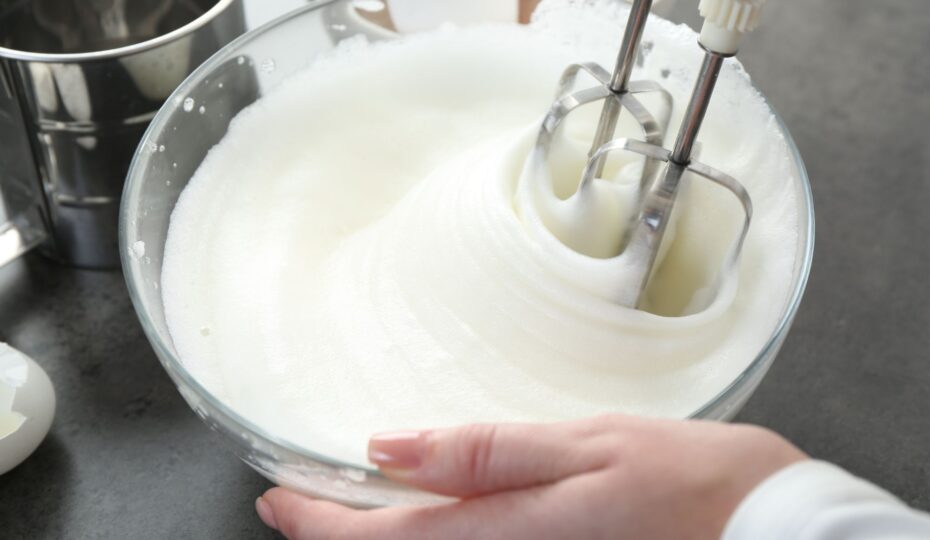
Sugar plays multiple roles in baking beyond sweetness. It helps trap air during mixing, supports moisture retention, and contributes to browning and color development. Artificial sweeteners replace flavor but do not replace these structural functions.
When sugar is removed, baked goods may bake unevenly or develop a dense texture. This happens because most artificial sweeteners are used in small quantities and provide little physical bulk. Recipe adjustments are often needed to maintain balance.
How Baking Performance Is Evaluated
Heat stability determines whether an artificial sweetener maintains sweetness during baking. Ingredients that break down under heat cause flavor loss or uneven sweetness. Stable sweeteners support consistent flavor across different baking temperatures.
Texture and volume are also critical. Sugar supports crumb softness and lift. Artificial sweeteners without bulking support often produce dry or compact results unless moisture and structure are adjusted.
Sucralose as a Baking Sweetener
Sucralose remains one of the most commonly used artificial sweeteners in baking. It maintains sweetness at high temperatures and performs reliably in both dry and liquid formulations. When supplied in baking blends, it supports consistent measurement and uniform sweetness.
Sucralose does not caramelize like sugar. This may reduce browning and require small recipe changes. It works well in cakes, muffins, cookies, and packaged baked goods when moisture balance is properly managed.
Acesulfame Potassium in Baking
Acesulfame potassium is often used as part of blended sweetener systems. It provides fast sweetness and remains stable during baking. These traits make it suitable for fillings, baked snacks, and shelf-stable products.
Used alone, it can taste sharp. In blends, it smooths sweetness and improves flavor consistency. This makes it common in commercial baking where uniform taste matters across production runs.
Saccharin in Limited Baking Applications
Saccharin delivers strong sweetness and performs well under heat. It appears in limited baking formulas where strong flavors help balance taste differences. Chocolate and citrus-based products often mask its aftertaste.
Because of flavor limitations, saccharin is rarely used on its own. It may appear in specialized blends where sweetness intensity is needed without adding sugar.
Why Aspartame Is Not Used for Baking
Aspartame is not suitable for baked goods because it breaks down when exposed to heat. This breakdown causes sweetness loss and inconsistent flavor in finished products.
For this reason, aspartame is typically limited to cold or low-temperature applications. It is not used in commercial baking formulas that require oven stability.
The Role of Bulk and Structure
Sugar contributes physical mass to baked goods. It supports structure, volume, and moisture distribution. Artificial sweeteners provide sweetness without replacing that mass.
Without bulk replacement, baked goods may bake flat or feel dry. Baking blends often include carriers that help restore structure and improve mouthfeel.
Cookies and Artificial Sweeteners
Cookies rely on sugar for spreading and browning. Artificial sweeteners reduce spread and may create thicker or cakier textures. Blended sweeteners perform better than single sweeteners in cookie formulas.
Adjusting bake time and moisture helps improve texture. Lower temperatures and shorter baking cycles often support better results when sugar is reduced.
Cakes and Muffins
Cakes depend heavily on moisture and crumb structure. Artificial sweeteners can cause dryness if the liquid balance is not adjusted. Baking blends help support uniform sweetness and texture.
Moisture adjustments are often required. Proper mixing and accurate measurement help maintain softness and volume in reduced-sugar cakes.
Brownies and Bar Desserts
Brownies rely on sugar for structure and moisture retention. Artificial sweeteners can lead to a crumbly or firm texture if used incorrectly.
Blended sweeteners improve consistency. Controlled baking times and careful portioning help protect texture during production.
Frostings and No-Bake Items
Artificial sweeteners perform well in frostings and glazes. These applications do not rely on oven heat or sugar caramelization.
Powdered forms dissolve easily and support a smooth texture. No-bake products allow more flexibility with sweetness selection.
Substituting Artificial Sweeteners Correctly
Conversion charts guide proper substitution. Sweetness intensity varies widely among artificial sweeteners, and incorrect ratios affect final results.
Moisture adjustments help prevent dryness. Small-scale testing supports accurate formulation before scaling production.
Labeling and Consumer Expectations
Artificial sweeteners support sugar-free and reduced-calorie labeling. Many have low glycemic impact and meet regulatory requirements for food use. Consumers expect consistent flavor and texture. Products that sacrifice mouthfeel often struggle with repeat purchasing.
According to research and safety reviews published by the U.S. Food and Drug Administration (FDA), artificial sweeteners such as aspartame, sucralose, acesulfame potassium, neotame, advantame, and saccharin are authorized for use in food in the United States under specific conditions. The FDA states that these sweeteners are among the most studied food additives in the human food supply and do not raise safety concerns when used within approved limits. The agency evaluates each sweetener through toxicological studies and establishes an acceptable daily intake level to confirm long-term safety for consumers.
Choosing the Right Sweetener for Production
Baking blends provide the most reliable performance for most recipes. They simplify formulation and improve consistency.
Blended systems help control cost and flavor uniformity. This supports repeatable outcomes across manufacturing runs.
Ingredient Sourcing for Baking Operations
Consistent supply supports stable production schedules. Reliable sourcing prevents formulation changes caused by ingredient shortages. Bulk packaging options improve efficiency. Multi-warehouse distribution reduces lead times and supports nationwide fulfillment.
If you are looking for a reliable sweetener supply for baking operations, we offer a full range of solutions through our Sweeteners for Bakeries program. This page focuses on ingredient options commonly used in commercial baking, including granulated, powdered, liquid, and alternative sweeteners available in bulk formats. We support bakeries and production facilities that need consistent inventory, dependable delivery, and flexible packaging to maintain steady output across daily production.
Conclusion
Artificial sweeteners can support baking when the correct ingredient is selected for the application. Sweetness alone does not define baking performance, and structure, moisture, and heat stability shape final results. Sucralose-based blends and blended artificial sweeteners remain the most dependable choices for consistent baking outcomes.
At US Sweeteners, bulk artificial sweeteners and food ingredients are supplied through a nationwide logistics network designed for reliability and consistency. The company supports bakeries, distributors, and manufacturers seeking dependable ingredient sourcing across production needs. Contact us to discuss bulk sweetener options, packaging formats, or supply planning aligned with your operation.
FAQs
What is the best artificial sweetener to use in baking?
Sucralose baking blends are commonly used because they remain stable under heat and provide consistent sweetness in baked goods.
Can artificial sweeteners replace sugar one-to-one in baking?
Most artificial sweeteners cannot replace sugar directly unless they are formulated as baking blends designed to measure like sugar.
Why do baked goods turn dry with artificial sweeteners?
Sugar holds moisture during baking, while artificial sweeteners do not, which can reduce softness without moisture adjustments.
Which artificial sweetener works best for commercial baking?
Blended artificial sweeteners provide the most consistent performance for large-scale baking and food manufacturing.