What is Glucose Syrup? The Complete Guide
Ever grabbed a candy bar and wondered what that mysterious “glucose syrup” ingredient actually is? You’re looking at one of the food industry’s most widely used sweeteners, hiding in plain sight across thousands of products from your favorite soft drinks to everyday baked goods.
It’s a thick, sweet liquid derived from starch that serves as a commercial sweetener, thickener, and moisture-retaining agent in countless food products. Unlike table sugar, which comes from sugar cane or beets, it starts its journey as corn starch, wheat, or other starchy foods before being transformed into the versatile sweetener that keeps your candy chewy and your ice cream smooth.
Understanding Glucose Syrup: Definition and Properties
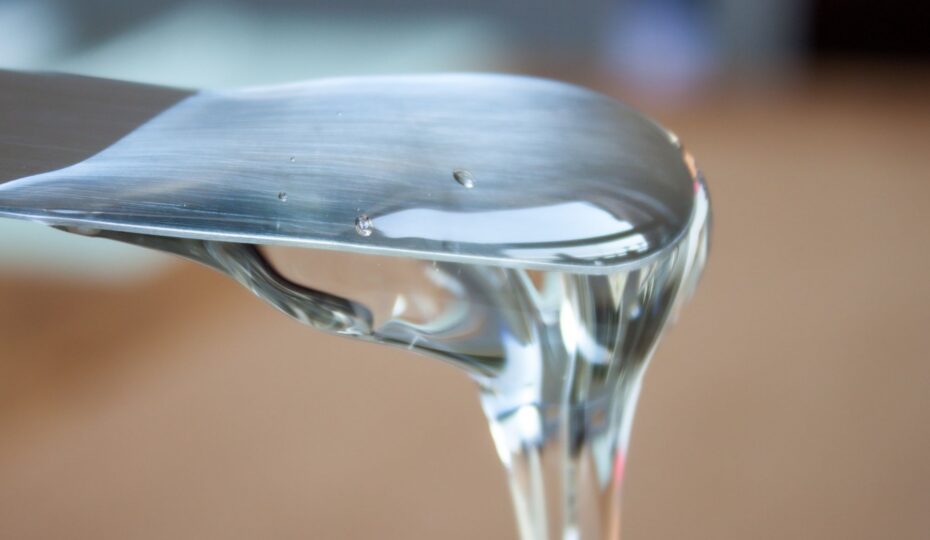
It is a concentrated sweet liquid produced by breaking down glucose molecules found in various starch sources through a process called hydrolysis. This thick syrup appears as a clear, colorless liquid that’s become essential in commercial food production.
The key difference between glucose syrup and pure glucose is simple: glucose is a simple sugar that your body uses for energy, while confectioner glucose is a highly processed mixture containing various sugar compounds designed specifically for food manufacturing.
Unlike regular table sugar, it doesn’t crystallize easily, making it perfect for creating smooth textures in everything from hard candies to frozen desserts. Its ability to retain moisture also extends shelf life significantly, which explains why processed foods can sit on store shelves for months.
How is Glucose Syrup Made?
The production process begins with extracting starch from various sources:
- Corn: Most popular in the United States
- Wheat: Preferred in Europe
- Potatoes: Used for specialized applications
- Cassava: Common in tropical regions
The Production Process
Manufacturers use two main methods:
- Acid Hydrolysis: Traditional approach involving mixing ground starch with water and sulfur dioxide, then heating under pressure. The acid breaks down long starch chains into shorter sugar molecules.
- Enzyme Hydrolysis: Modern method using specific enzymes like amylase to break down starch more precisely. This creates high maltose confectioner’s glucose with 50-70% maltose content.
After initial processing, the syrup undergoes filtration, ion exchange, deodorization, and concentration to achieve food-grade quality.
Types of Glucose Syrup
Confectioner’s Syrup
Contains 19% glucose, 14% maltose, 11% maltotriose, and 56% other carbohydrates. Perfect for candy making because it prevents sugar crystallization.
High Maltose Glucose Syrup
Made with amylase enzymes, containing 50-70% maltose. Less sweet than regular confectioner’s glucose, ideal for adding body without overwhelming sweetness.
Dextrose Equivalent (DE) Ratings
- Low DE (20-40): Less sweet, more viscous, used for thickening
- Medium DE (40-60): Moderate sweetness, general baking use
- High DE (60-95): Very sweet, less thick, used in beverages
Glucose Syrup vs Other Sweeteners
Glucose Syrup vs Corn Syrup
All corn syrup is glucose syrup, but not all glucose syrup comes from corn. Light corn syrup sold to consumers often contains added vanilla and salt, while commercial confectioner’s glucose remains pure and unflavored.
Glucose Syrup vs High Fructose Corn Syrup (HFCS)
Despite both coming from corn starch, these serve different purposes:
- Glucose syrup: Focuses on texture and moisture retention
- HFCS: Primarily for intense sweetening power
- Processing: HFCS requires extra steps to convert glucose into fructose
Glucose Syrup vs Table Sugar
Table sugar crystallizes and provides intense sweetness, while confectioner’s glucose stays liquid and offers moderate sweetening with better functional properties for food manufacturing. Its ability to prevent crystallization and retain moisture makes it ideal for products like candies, sauces, and frozen desserts.
Common Uses in Food Products
It appears in countless products:
- Confectionery: Hard candies, gummies, chocolates – prevents crystallization and creates a perfect texture
- Baked Goods: Breads, cakes, cookies – retains moisture and extends freshness
- Beverages: Soft drinks, sports drinks, fruit juices – provide sweetness and body
- Frozen Desserts: Ice cream, sorbets – improves texture and prevents ice crystal formation
- Processed Foods: Canned fruits, sauces, and condiments act as preservatives and sweeteners
Health Effects and Concerns
It provides calories and carbohydrates but lacks essential nutrients like vitamins, minerals, or fiber. One tablespoon contains approximately 62 calories and 17 grams of carbohydrates, and its health effects depend largely on overall consumption habits.
Potential Health Risks
Regular consumption of glucose syrup may contribute to:
- Weight gain due to high caloric density
- Blood sugar spikes affect insulin levels
- Tooth decay from prolonged sugar exposure
- Increased risk of metabolic diseases when consumed excessively
Like other added sugars, glucose syrup should be consumed in moderation as part of a balanced diet.
How to Identify Glucose Syrup in Foods
It is often hidden under various names on ingredient labels. If you’re trying to limit or avoid it, start by learning how to spot it.
Look for These Ingredient Names:
- Glucose syrup
- Corn syrup
- Light corn syrup
- Corn syrup solids
- High maltose syrup
These are all forms commonly used as sweeteners, thickeners, or texture enhancers.
Foods That Commonly Contain Glucose Syrup:
- Candy and chocolate
- Soft drinks and sports drinks
- Packaged pastries, cakes, and cookies
- Canned fruits, jams, and jellies
- Ice cream and frozen desserts
- Condiments, salad dressings, and sauces
Tips for Cutting Back on Glucose Syrup
If you’re trying to cut down on glucose syrup, these strategies can help:
- Choose whole foods like fresh produce and unprocessed grains when you can
- Read ingredient labels to stay informed about added sweeteners
- Look for natural alternatives such as honey, maple syrup, or fruit-based sweeteners
- Explore organic brands, which may use fewer processed ingredients
Best Corn Syrup Substitutes
- Honey: A natural sweetener that helps retain moisture in baked goods. It’s sweeter and adds a distinct floral or earthy flavor, depending on the type.
- Maple Syrup: Offers a smooth liquid consistency with a rich, caramel-like taste. It blends well in batters and sauces but may slightly alter the flavor profile of your recipe.
- Agave Nectar: Has a similar sweetness level to glucose syrup but a thinner texture and a more neutral flavor. It’s ideal for recipes where you don’t want the sweetener to overpower other ingredients.
- Brown Rice Syrup: Less sweet than other options, but excellent for adding body and chewiness to recipes. It works well in granola bars and cookies where texture matters.
Note: These substitutes can work well for general baking, but they don’t fully replicate the anti-crystallization properties of glucose syrup, especially important in candy-making or sugar work. For those recipes, a specialty syrup may still be needed.
Conclusion
Glucose syrup plays a crucial role in modern food manufacturing, offering functional benefits like moisture retention, improved texture, and extended shelf life. While it may raise health concerns if overconsumed, it remains an indispensable ingredient across industries from baking to beverages. Understanding its types, production methods, and applications helps food professionals make more informed sourcing and formulation decisions.
Looking for a trusted supplier of bulk glucose syrup ingredients? At US Sweeteners, we offer high-quality glucose syrup solids to meet the needs of food manufacturers, bakeries, and commercial producers. With fast shipping and dependable service, we make bulk sourcing easy. Visit our website or contact us today to get started.
FAQs
What is the purpose of glucose syrup?
It serves as a commercial sweetener, thickener, and moisture-retaining agent that prevents crystallization in candies, extends shelf life in baked goods, and improves texture in processed foods.
What is the difference between sugar and glucose syrup?
Sugar (sucrose) is a crystalline sweetener that dissolves completely and provides intense sweetness, while glucose syrup is a thick liquid that resists crystallization and offers moderate sweetness with superior texture-enhancing properties for food manufacturing.
What is a substitute for glucose syrup?
Common substitutes include honey, light corn syrup, maple syrup, or agave nectar for home baking, though these won’t perfectly replicate glucose syrup’s anti-crystallization properties in candy making.
What are the benefits of glucose?
Pure glucose provides quick energy for the body and brain, but glucose syrup (the processed version) mainly benefits food manufacturers by improving texture, preventing crystallization, retaining moisture, and extending product shelf life rather than offering health benefits to consumers.