What Is Erythritol Used For? Benefits and Applications
Erythritol is a carbohydrate called a sugar alcohol that delivers a sweet taste with fewer calories than table sugar. If you’re asking, “What is erythritol used for?” the short answer is this: it acts as a sugar replacement and sweetener, and flavor enhancer in many sugar-free products, from chewing gum and cough drops to baked goods and frozen desserts. It has a low glycemic index, does not meaningfully affect blood sugar or insulin levels, and supports dental health by resisting oral bacteria.
At US Sweeteners, we supply bulk ingredients to food manufacturers who need reliable sourcing, multi-site warehousing, and fast delivery nationwide. Our focus is steady inventory, competitive pricing, and supply-chain know-how for sugar substitutes, low-calorie sweeteners, and essential food additives used across the food industry.
What is Erythritol?
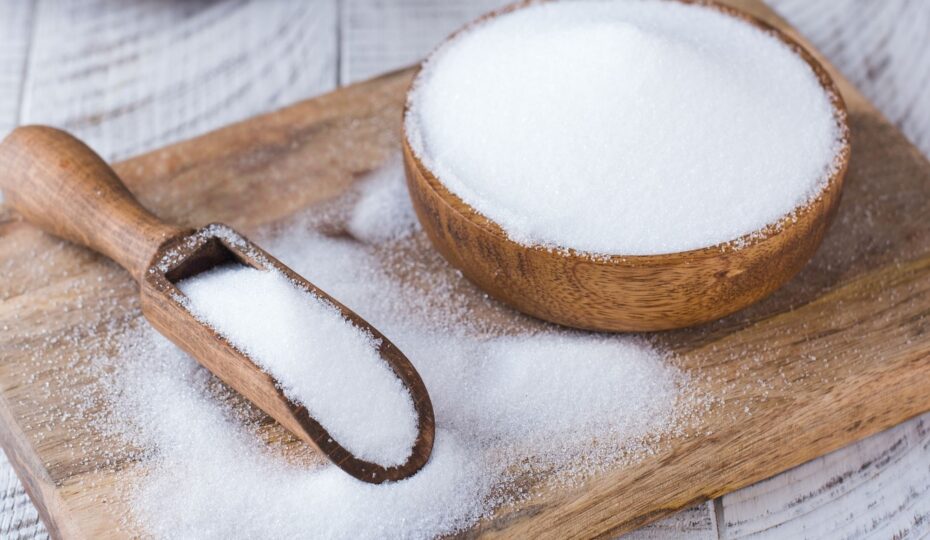
Erythritol occurs naturally in small amounts in fruits and fermented foods such as soy sauce and cheese. Commercial producers make it through a controlled fermentation process that converts glucose from corn into erythritol, then finishes it into a stable powder form that blends well in dry mixes and beverages. In everyday speech, people say “erythritol is a sugar,” but it is a sugar alcohol and behaves differently than regular sugar in the body and in recipes.
According to a study, erythritol is described as a carbohydrate called a sugar alcohol, offering about 70 percent of the sweetness of table sugar but with far fewer calories per serving. The article notes that while table sugar contains four calories per gram, erythritol contains less than one calorie per gram.
What is Erythritol Used For
If your question is what erythritol is used for, the main uses span low-sugar products and sugar-free formulations that need taste, bulk, and texture. You will find it in frozen desserts, baked goods, chewing gum, cough drops, tabletop sweeteners, flavored beverages, and nutraceutical carriers. Food technologists also use it as a flavor enhancer that rounds sharp notes in cocoa, coffee, citrus, and dairy systems.
Another everyday answer to what erythritol is used for is calorie management and blood sugar control. Because it has a low glycemic index, it does not raise blood glucose or serum glucose in healthy subjects, in people watching metabolic syndrome, or in products aimed at carb-conscious shoppers. Brands pair it with stevia or monk fruit to reduce added sugar while keeping a familiar taste and mouthfeel.
How it is Produced for Industry Use
Commercial production relies on a proven fermentation process. A food-grade microorganism converts glucose (often from corn syrup) into erythritol under controlled conditions, followed by filtering, crystallization, and drying. This yields a free-flowing powder form suited to blending, tableting, and dissolution.
From a supply perspective, manufacturers buy various mesh sizes to match application needs. Fine grades dissolve fast for beverages and glazes; coarser crystals support crunch in confectionery. Warehousing matters as well. A dry, cool environment protects flow and keeps the crystals stable for long shelf life, which is why logistics planning and multi-warehouse coverage help keep lines running.
Metabolism and the Effects of Erythritol
Understanding the effects of erythritol helps product teams choose the right sweetening system. Unlike most sugar alcohols, erythritol is rapidly absorbed in the small intestine and then excreted unchanged in urine, which lowers the chance of digestive upset such as gas or bloating at typical use levels. Studies show minimal impact on blood sugar, blood glucose, or insulin levels, supporting its use in formulas aimed at steady energy.
Many have also looked at appetite, satiety, and calorie control. In some work, erythritol treatment before a meal increased satiety signals and reduced calorie intake compared with regular sugar. This is one reason brands use it to help shoppers cut added sugar without losing sweetness. Published scientific evidence continues to grow, and teams often review emerging data to keep labels accurate and helpful.
If you are looking for a trusted supplier of bulk erythritol for your food or beverage formulations, we offer Bulk Erythritol in multiple grades and mesh sizes to suit every application. Our erythritol provides reliable sweetness with fewer calories and a low glycemic index, making it ideal for sugar-free and reduced-sugar products. At US Sweeteners, we help manufacturers maintain consistent quality and dependable supply with nationwide distribution and flexible packaging options.
Erythritol vs Other Sugars
Comparing erythritol to other common sweeteners shows why it is often chosen as a sugar replacement in modern food production:
- Erythritol: A sugar alcohol that provides about 0.2 to 0.24 calories per gram and has a glycemic index of zero. It does not raise blood glucose or insulin levels and supports oral health. It delivers about 70% of the sweetness of sugar, making it a balanced option for low-calorie formulations.
- Table Sugar (Sucrose): A traditional carbohydrate called a disaccharide with about 4 calories per gram. It raises blood sugar, contributes to tooth decay, and increases overall calorie intake. It provides full sweetness but no functional benefit for calorie reduction.
- High Fructose Corn Syrup: A sugar-based syrup widely used in beverages and processed foods. It has 3 to 4 calories per gram and a moderate glycemic index. It increases blood glucose and adds calories without nutritional value.
- Raw Sugar and Turbinado Sugar: Less refined versions of regular sugar that contain minimal trace minerals. They have the same calorie level and glycemic index as refined sugar, meaning they still raise blood sugar and do not support calorie control.
- Other Sugar Alcohols (such as Xylitol and Sorbitol): These sugar substitutes have 2 to 2.6 calories per gram and a small effect on blood sugar. While they are better than sugar for oral health, they can cause digestive upset when consumed in larger amounts.
Erythritol stands apart because it offers fewer calories, a strong tolerance, and minimal risk of adverse effects. Unlike most sugar alcohols, it is absorbed in the small intestine and excreted unchanged, which reduces the chance of bloating or gas. Compared to raw sugar, turbinado sugar, or high fructose corn syrup, erythritol gives the same sweet taste with a low glycemic index, making it ideal for both low sugar and sugar-free product lines. It also blends well with other sweeteners, improving taste and texture in products aimed at health-conscious consumers and food manufacturers seeking reliable performance.
Dental Health Benefits
Formulators choose erythritol to support managing oral health endpoints. Oral microbes do not ferment it, so it does not feed harmful bacteria that cause dental plaque and tooth decay. This makes it a fit for oral health endpoints in gums, mints, and lozenges, and for syrups where taste masking is needed without risking cavities.
When comparing sugar substitutes for dental health, erythritol performs well against other sugar alcohols and artificial sweetener systems because it provides bulk and sweetness while resisting oral bacterial activity. Brands use it to meet claims such as sugar-free and “does not promote cavities,” provided the full formula supports those outcomes.
Practical Uses in Applications
In baked goods, erythritol helps maintain crumb and browning when paired with fibers or small amounts of table sugar. In frozen desserts, it supports scoopability and freeze-thaw behavior without large sugar loads. Beverage developers use it to lower calorie intake while keeping mouthfeel and a familiar sweet taste.
Pharma and nutraceutical teams use erythritol in cough drops and lozenges to carry actives and improve taste without feeding oral bacteria. Confectioners use different crystal sizes to tune the crunch or quick dissolve. Across these uses, pilot trials test erythritol balance with acids, proteins, and fats to avoid sandiness and to keep the finished texture clean.
Labeling Comparisons for Shoppers
Shoppers may see raw sugar, turbinado sugar, “unrefined” sugar, or syrups and ask how they compare. For calorie and glycemic response, these options behave like regular sugar. If the goal is to reduce blood sugar and insulin levels, a low glycemic index sweetener is the better fit.
This is also where sugar alternatives like erythritol stand out. While high fructose corn syrup and corn syrup serve key technical roles, they add calories and raise blood glucose. When a label needs “sugar-free” or “low sugar products,” erythritol is a useful tool with well-documented scientific evidence and long use across categories.
Sourcing and Logistics for Manufacturers
For plants and procurement teams, the question is not only what erythritol is used for but also how to keep it on spec and on time. Mesh size control matters for dissolution and mouthfeel. Moisture control protects flow. Palletization and clean handling prevent caking and protect screens. Multi-warehouse coverage shortens lead times and reduces risk when schedules shift.
Supply partners help align technical data sheets with line needs, including particle size, bulk density, and microbial targets. That is why many food manufacturers standardize on a spec that fits beverages, bakery, and confectionery to reduce SKUs while holding performance steady.
Conclusion
Erythritol answers the question of what erythritol is used for with solid, practical value: it sweetens with fewer calories, supports oral health, and helps brands reduce added sugar while keeping a familiar sweet taste. It performs across bakery, confectionery, beverages, and frozen desserts, and offers good tolerance compared with most sugar alcohols.
At US Sweeteners, we supply erythritol in multiple grades with reliable inventory and nationwide logistics for the food industry. If you are planning a reformulation, scaling a sugar-free line, or standardizing a sugar replacement spec, we can help match grade, mesh, and packaging to your plant needs. Contact us to discuss availability, lead times, and technical data sheets
FAQs
Is erythritol good or bad for you?
Erythritol is considered safe and well-tolerated. It doesn’t raise blood sugar or insulin levels, but some studies suggest a possible link to heart-related risks, so moderate intake is recommended.
Is erythritol safer than stevia?
They are different tools; stevia is a high-potency sweetener without bulk, while erythritol provides bulk and is widely tolerated, and both are used safely in foods as labeled.
What is the safest artificial sweetener to use?
“Safest” depends on use and tolerance; consult reputable guidance and choose options approved for intended use, keeping servings within labeled amounts.
Does erythritol affect blood sugar?
Erythritol has a low glycemic index and does not meaningfully raise blood glucose or serum glucose at typical serving sizes.