Refined Sugar Examples: Common Types and Uses
This guide explains refined sugar examples in clear terms and shows where each type fits in food products. You will see how refined sugar made from sugar cane, sugar beets, or corn supports flavor, texture, and stable production at scale.
At US Sweeteners, food and beverage producers can source the exact refined sugar type needed for flavor, mouthfeel, and processing from granulated and powdered to liquid sucrose and corn-based syrups. Our 30+ years of logistics expertise and multi-site warehousing keep inventory consistent and deliveries reliable across the U.S. Configure bulk quantities and packaging to match your line requirements and maintain batch-to-batch consistency.
What Counts as Refined Sugar?
Refined sugar is sugar extracted from sugar cane, sugar beets, or corn and then processed to meet tight specs for color, purity, and performance. The result is a predictable sweet substance that dissolves, blends, and behaves the same way batch after batch, which is why food manufacturers add it to many foods and drinks. According to research, refined sugar produced from sugarcane or sugar beet is typically about 99% sucrose after purification, with non-sugar compounds removed to deliver a consistent ingredient for foods and beverages.
Natural and refined sugars share the same basic molecules, yet the matrices differ. Natural sugars are naturally occurring in fruit, starchy vegetables, whole grains, and dairy products, where other nutrients and other components like fiber or protein slow down how fast sugar hits the bloodstream.
Refined Sugar Examples
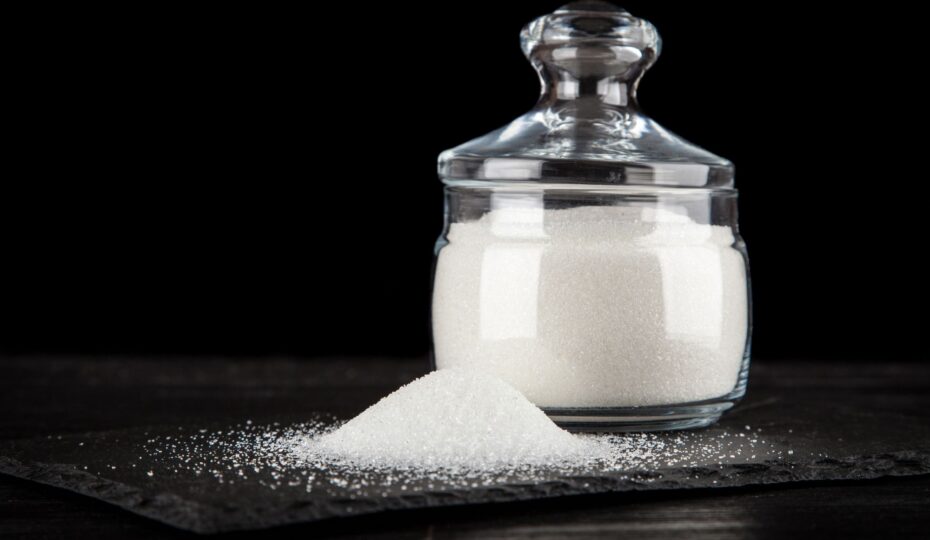
Granulated sugar is the baseline refined format. It includes table sugar, white sugar, and cane sugar produced from sugar cane or sugar beets with tight control over crystal size, color (ICUMSA), and flow. This group covers standard granulated sugar for baked goods and dry blends, and slightly finer flows for coatings or instant mixes.
Powdered sugar, also called confectioners’ sugar or icing sugar, is granulated sugar milled very fine, often with a small anticaking agent. It provides smooth, quick-dissolving sweetness for icings, fillings, and glazes and is commonly found in packaged foods where gloss and stability matter.
If you need consistent dissolution and smooth texture in icings, fillings, dry mixes, or RTD bases, we offer extra fine white sugar with tight color and granulation specs for predictable performance. This grade supports quick blending, uniform mouthfeel, and clean flavor in high-volume runs. If you’d like to qualify a spec-matched option for your plant or co-packer, we can provide samples, COAs, and packaging options sized to your throughput.
Liquid Refined Sugars and Syrups
Corn syrup is a glucose syrup made from corn that controls crystallization, adds body, and improves texture in candies, bars, and bakery fillings. High fructose corn syrup (HFCS) shifts the sugar profile by increasing fructose content; HFCS-42 and HFCS-55 are common in soft drinks, sweetened beverages, and sports drinks where flow, cost-in-use, and flavor balance matter.
Rice syrup offers a mild taste with functional solids for bars and granola clusters. Liquid sucrose or invert sugar can support freeze-point control, moisture retention, and smooth mouthfeel in frozen desserts and fillings, helping extend shelf life without changing core flavor targets.
Where Refined Sugars are Commonly Found
You will see refined sugar examples across packaged foods such as breakfast cereals, baked beans, pasta sauces, salad dressings, fruit yogurts, and ready sauces. In drinks, refined sugars appear in soft drinks, sports drinks, energy drinks, and flavored coffees and teas where consistent sweetness and quick dispersion are needed.
Food manufacturers add refined sugar to improve flavor, browning, and structure, and to extend shelf life. In many foods, refined sugars also support fermentation, water activity targets, and freeze–thaw stability, so products hold quality through transport and storage.
Natural Sugars vs Refined Sugars in Formulations
Natural sugars from honey, maple syrup, agave nectar, coconut sugar, and fruit sugars carry flavor and story value and may fit clean label goals. The flip side is variability in color, minerals, and taste, which can affect line consistency, sugar content targets, and cost. Many teams blend natural and refined to balance label and performance.
Natural and refined sugars both deliver calories, yet matrices differ. Whole foods with fiber, protein, and fat, like fruit, milk, and whole grains, include other nutrients and other components that slow blood sugar spikes. Formulation work should focus on product goals, not just source language.
Labeling, Health Context, and Reading Panels
“Added sugar” on food labels covers sugars added during processing, including cane juice, corn syrup, rice syrup, maple syrup, honey, and syrups used in mixes and glazes. Keep an eye on serving size, sugar content per serving, and placement of sweeteners in the ingredient list so claims align with targets.
Public guidance often links too much sugar and high refined sugar intake from large quantities of packaged foods and drinks to weight gain and negative health effects, such as a higher risk of heart disease. Teams can respond with portion-aware recipes, balanced solids, and, where desired, partial swaps using fruit purées or modest use of artificial sweeteners in specific formats.
Functional Roles in R&D and Processing
Refined sugar does more than sweeten. It controls crystallization in confections, binds water for softness, supports browning, feeds yeast for leavening, lowers water activity for safety, and adjusts freeze point in frozen foods. These roles are why different types of sugar exist and why a swap affects texture or shelf life.
Process impacts matter. Solubility curves change with temperature; viscosity and pH shift mouthfeel and stability; particle size affects flow and dust; and thermal steps set color and aroma. Matching the sugar to the unit operation is the fastest way to hit spec with fewer reformulations.
Selecting the Right Type
Start with application: baked goods, beverages, sauces, dairy, or confectionery. Choose crystal size (granulated vs powdered), color (molasses or white), and format (dry vs liquid). If you need clarity and lift in drinks, high fructose corn syrup or liquid sucrose may suit. If you want soft cookies or sticky fillings, brown sugar or corn syrup improves moisture and structure.
Then lock logistics: packaging (25 lb or 50 lb bags, supersacks, totes, tankers), certifications (Kosher, Halal, Non-GMO, Organic), lead times, and warehouse proximity. Consistent supply across sites helps keep lines running and reduces the risk of specification drift after scale-up.
If you’re looking for a reliable bulk sugar supplier, we offer national coverage with multi-warehouse inventory, custom packaging (25/50 lb bags, supersacks, totes, and tankers), and rapid lead times to keep lines running. Our Bulk Sugar Supply program covers granulated, powdered, brown, liquid sucrose, and high fructose corn syrup with the QA documentation and certifications your customers require. If you’d like to standardize specs across sites or reduce freight risk, we can coordinate consolidated shipments and scheduled replenishment.
Refined Sugar Examples and Common Uses
Below summarizes common refined sugar examples across formats and where they are commonly found.
- Granulated sugar: Also called table sugar/white sugar/cane sugar; used in baked goods and dry mixes. Controlled crystal size; sourced from cane or beets.
- Powdered sugar: Also called confectioners’ sugar/icing sugar; used for icings, fillings, and glazes. Very fine grind; often includes an anticaking agent.
- Brown sugar: Light or dark varieties; used in cookies and sauces. Refined white sugar with added molasses for moisture and flavor.
- Corn syrup: Also called glucose syrup; used in candy, bars, and caramels. Controls crystallization and adds body.
- High fructose corn syrup: HFCS-42 or HFCS-55; used in soft drinks, sweetened beverages, and sports drinks. Higher fructose for a stronger sweetness lift.
- Rice syrup: Also called brown rice syrup; used in bars and baked goods. Mild taste with solids that bind and add chew.
- Raw sugar styles: Turbinado or demerara; used as toppings. Larger crystals with surface molasses for crunch and color.
Use this table to align different types of sugar with process needs. Keep a record of supplier specs, Brix or moisture, and handling notes so the same results repeat across plants and seasons.
Where “Natural” Sweeteners Fit Without Losing Control
Honey, maple syrup, agave nectar, coconut sugar, and fruit pastes can replace part of refined sugar in sauces, bars, and baked goods while adding flavor cues. Many teams use them in small percentages to protect color targets and predictable texture in packaged foods.
Natural choices work best when the product can carry its taste and color. If a formula needs a neutral profile, refined formats keep flavor clean and consistent while still meeting sugar intake and sugar content goals set by the brief.
Conclusion
Refined sugar examples span dry crystals, brown and molasses-bearing sugars, and liquid syrups used across foods and drinks. Each format brings a different balance of sweetness, body, moisture control, browning, and shelf life. Natural sugars can add flavor and story value, yet refined formats deliver predictable specs for high-volume food products. The right choice depends on application, process steps, labeling goals, and supply stability.
US Sweeteners supplies refined and natural options, along with the logistics support needed for multi-site programs. If you want help selecting the right sweeteners for your line, we can review specs, packaging, and delivery windows based on your targets. Contact us to speak with us about availability and pricing.
FAQs
What is an example of refined sugar?
Granulated sugar is a common example of refined sugar, and so are powdered sugar, brown sugar, corn syrup, and high fructose corn syrup.
How do you avoid refined sugar?
Check food labels and reduce packaged foods with added sugar, such as soft drinks, breakfast cereals, pasta sauces, salad dressings, and sweet snacks.
What sugar is not refined?
Unrefined sugar options include turbinado, demerara, and some raw sugar styles, and natural sugars from honey, maple syrup, agave nectar, coconut sugar, fruit, and milk.
Which is the healthiest sugar to have?
There is no single healthiest type; use small amounts of sugar and prioritize whole foods with fiber and protein to slow blood sugar spikes.
Is brown sugar refined or unrefined?
Standard brown sugar is refined white sugar with added molasses; turbinado and demerara are less processed styles with surface molasses.