
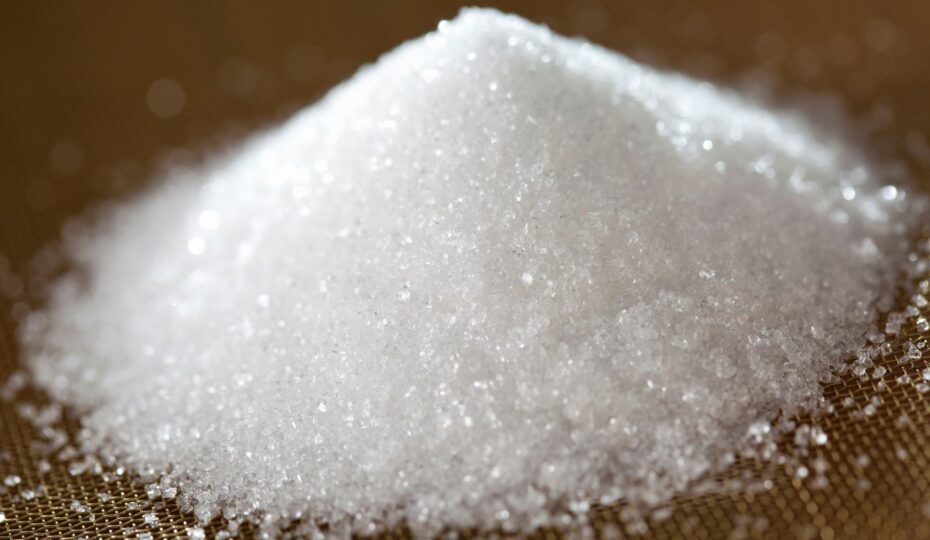
Benefits of Non GMO Sugar for Food Manufacturers
Food manufacturers across the United States are placing more focus on sourcing ingredients that align with consumer expectations. Non GMO sugar has become one of the most requested items as buyers demand clear labeling and safe products. The choice between cane sugar and beet sugar is not just about supply; it directly affects how customers view the products they buy.
This article explains the differences between cane sugar and beet sugar, the reasons consumers prefer non-GMO sugar, and the benefits manufacturers gain by choosing it. It also explores sourcing, supply chain factors, and practical applications in food production.
Difference Between Cane Sugar and Beet Sugar
Cane sugar comes from sugarcane and is naturally non-GMO. It is widely used in food manufacturing because it provides consistent sweetness and texture. Refined cane sugar is considered non gmo, and when labeled as organic cane sugar, it often carries USDA organic or certified organic designations. These designations give manufacturers the ability to clearly communicate to customers that the sugar in their products is free from genetically modified ingredients.
Beet sugar is made from sugar beets, and in the United States, the majority of this crop is genetically modified. While this type of sugar performs well in baked goods and large-scale food production, customers are increasingly questioning its source. Because most sugar beets are GMO, products made with beet sugar may not meet the standards many buyers expect when shopping for non-GMO or certified organic foods.
Why Non-GMO Sugar Matters to Consumers
Consumers are more informed in the present than they were in past years. They want labels that tell them if a product contains non-GMO ingredients, and many prefer certified organic or USDA organic options. This level of transparency is no longer optional for manufacturers who want to keep their customers.
When a product highlights non-GMO sugar on its packaging, it builds trust. Families buying items like snacks, drinks, or ingredients want confidence that what they are eating is free from genetically modified crops. By using non-GMO sugar, manufacturers can create products that customers love and feel comfortable using.
Benefits of Non-GMO Sugar for Food Manufacturers
Manufacturers that use non-GMO sugar meet a growing demand in the marketplace. Customers are asking for non-GMO and certified organic products, and businesses that respond are rewarded with stronger brand loyalty. This makes non-GMO sugar a perfect choice for companies that want to create long-term value.
Another benefit is access to more sales opportunities. Many distributors and retailers require products made with non-GMO sugar or organic cane sugar. By using these ingredients, manufacturers can expand their reach and avoid barriers that might limit where their products are sold. Over the years, this created a reliable growth path.
Non-GMO Sugar Options for Manufacturers
Organic cane sugar offers the highest level of assurance. With USDA organic and certified organic labeling, it guarantees that the sugar is non-GMO and produced without synthetic chemicals. This option is often chosen by manufacturers who want to appeal to health-conscious consumers and premium markets.
Conventional cane sugar is also non-GMO, even if it does not carry organic certification. It provides the same functionality in baking, beverages, sauces, and packaged foods. For manufacturers looking for the balance between affordability and customer expectations, conventional cane sugar remains a reliable option.
Certified Organic Sugar
For manufacturers, using certified organic sugar adds another layer of assurance beyond non-GMO status. A certified organic label means the sugar has been produced without synthetic pesticides, fertilizers, or chemicals and is verified through strict third-party standards. This certification often includes USDA organic approval, which helps brands clearly communicate product quality and sourcing to customers.
Many consumers actively look for certified organic options because they connect the label with safe farming practices and greater transparency. By using organic cane sugar with a certified organic seal, manufacturers can create products that appeal to premium markets and meet the expectations of health-conscious buyers. Over the years, this distinction has become a reliable way for brands to build trust and show long-term commitment to responsible sourcing.
Supply Chain Considerations for Non-GMO Sugar
Securing a steady supply of non-GMO sugar requires strong logistics planning. Because demand is growing each year, manufacturers need suppliers with multiple warehouse locations and the ability to deliver nationwide. This reduces the risks of shortages or delays that could affect production.
Suppliers that offer flexible packaging and private labeling also make it easier for manufacturers to integrate non-GMO sugar into their operations. By ordering in bulk and receiving sugar in formats that suit their production lines, companies can keep products moving smoothly and avoid interruptions. Consistency is what allows food manufacturers to build customer trust year after year.
If you are looking for a trusted bulk sugar supplier in the US, we provide nationwide service with flexible packaging and dependable delivery. We offer solutions designed to support food manufacturers of all sizes. Partner with us to keep your supply chain consistent and efficient.
Applications of Non-GMO Sugar in Food Manufacturing
Non-GMO sugar is used in nearly every category of food production. In baking, it provides the structure and sweetness needed for breads, cakes, and cookies. For beverage companies, non-GMO sugar delivers the clean taste that customers expect in juices, teas, and soft drinks.
It is also a key ingredient in sauces, condiments, dairy products, and packaged snacks. Because it behaves consistently across different applications, manufacturers can depend on non-GMO sugar to maintain quality standards. This makes it a perfect choice for both small-scale producers and large facilities supplying products across the country.
If you like to use brown sugar in your food or beverage production, we offer bulk brown sugar that keeps your operations running smoothly. Ordering in larger volumes helps you maintain consistency, reduce costs, and meet customer expectations. Explore our bulk brown sugar supply to keep your production steady and reliable.
Long-Term Market Outlook for Non-GMO Sugar
The demand for non-GMO products has grown steadily over the past several years, and sugar is no exception. Customers continue to ask for products made with non-GMO sugar because they want transparency and control over what they consume. This shift shows no signs of slowing down.
For manufacturers, adopting non-GMO sugar is not just a short-term decision. It positions products for success in the years ahead as labeling requirements, distributor expectations, and consumer demand continue to expand. Companies that adapt now will be better prepared to meet customer needs well into the future.
Marketing Opportunities with Non-GMO Labeling
Products that use non-GMO sugar can feature that distinction directly on their packaging. Clear non-GMO or USDA organic labels help customers make quick decisions on the shelf. For many customers, this single feature can be the deciding factor when comparing similar products.
According to research, the National Bioengineered Food Disclosure Standard requires food manufacturers, importers, and certain retailers to disclose when foods are bioengineered. The law defines bioengineered foods as those containing detectable genetic material modified through laboratory techniques that cannot be created through conventional breeding or found in nature. The USDA also maintains a List of Bioengineered Foods, which includes crops such as sugarcane and sugar beets, so that regulated entities know when disclosure is required.
This creates strong marketing opportunities for manufacturers. Highlighting non-GMO sugar in promotional materials, product descriptions, and even in recipes for bakers can position a brand as transparent and customer-focused. Over time, this builds loyalty and makes products easier to place with retailers who prefer carrying non-GMO goods.
Cost Considerations and Long-Term Value
Some manufacturers worry that using organic cane sugar or certified organic sugar will increase costs. While prices can be higher than conventional beet sugar, the long-term value often outweighs the expense. Products made with non-GMO sugar are more likely to gain placement in larger markets and maintain steady demand from customers.
By focusing on non-GMO sugar, manufacturers can also reduce risks associated with changing regulations or customer expectations. Over the years, this stability supports predictable growth and reduces the chance of costly reformulations. For businesses committed to building strong product lines, non-GMO sugar provides a balance of cost and long-term return.
Choosing the Right Non-GMO Sugar Supplier
The supplier relationship is a major factor in sourcing non-GMO sugar. Manufacturers need partners that can provide consistent inventory, clear information about sourcing, and direct communication. Having the ability to contact a supplier quickly and get reliable answers makes a real difference in day-to-day operations.
US Sweeteners supplies non-GMO sugar, organic cane sugar, and certified organic options with nationwide coverage. With decades of logistics experience and multiple warehouse locations, manufacturers can rely on steady access to the products they need.
Conclusion
Non-GMO sugar allows food manufacturers to meet customer expectations, create reliable products, and grow their market share. With cane sugar and organic cane sugar available as dependable non-GMO options, businesses can confidently build products that customers use and love. Over the years, this commitment strengthened trust and ensured steady growth in competitive markets.
At US Sweeteners, we provide bulk non-GMO sugar, organic cane sugar, and certified organic options with delivery across the US. If you are looking for a trusted supplier that can keep your operations consistent, contact us today to learn more about our products and services.
FAQs
What is a non-GMO sugar?
Non-GMO sugar is sugar produced from crops that are not genetically modified. Cane sugar and organic cane sugar are non-GMO, while most of the sugar beets are GMO.
Is non-GMO sugar healthy?
Non-GMO sugar has the same nutrition as other sugar types. The difference is that it comes from non-GMO crops, which many customers prefer in their products.
Is non-GMO good or bad?
Non-GMO describes products made without genetically modified crops. Some customers see it as a good choice for health and transparency, while others view it as a personal preference.
What do non-GMO products mean?
Non-GMO products are foods made without genetically modified ingredients. Certifications like USDA organic and certified organic confirm that products meet these standards.
Is cane sugar non-GMO?
Yes. Cane sugar is non-GMO, while the majority of sugar beets in the U.S. are genetically modified.