Understanding Maltodextrin Supplement Benefits and Safety
Maltodextrin supplements deliver fast-digesting carbohydrates that boost energy levels during exercise and recovery. Manufacturers create them by breaking starch into shorter chains of glucose molecules, forming a water-soluble white powder with a neutral taste that mixes easily into shakes and drinks.
US Sweeteners supplies bulk maltodextrin powder and related ingredients to U.S. manufacturers, distributors, and wholesalers. We offer corn, rice, wheat, and potato starch sources with gluten-free and non-GMO options, supported by custom packaging, multi-warehouse logistics, and documentation for smooth scale-up.
What Maltodextrin Is and How It Is Produced
According to research, maltodextrin is made from starches such as corn, potato, rice, or wheat and is considered gluten-free; in the U.S., it’s usually corn-derived, and even when sourced from wheat, the processing removes gluten to levels that meet FDA gluten-free rules.
Because the ingredient behaves like simple carbohydrates, users often consume maltodextrin for a quick source of energy around exercise. Brands also use it as a thickening agent, carrier, or bulking aid in food and beverage systems. The same characteristics that help a post-workout shake mix smoothly also help dry blends pour evenly and maintain stability on the shelf.
Energy Profile and Glycemic Index
One gram delivers calories similar to table sugar, making maltodextrin a dependable source of energy when the body needs rapid fuel. Many fitness enthusiasts add it to sports drinks, energy drinks, or shakes to keep energy available during longer sessions or to speed up muscle recovery after intense exercise. The functional goal is simple: deliver carbohydrates that mix fast, taste mild, and support repeatable performance.
Standard maltodextrin has a high GI on the glycemic index, which means it can raise blood sugar and blood sugar levels faster than some carbs. People managing insulin resistance or specific nutrition targets should track total carbohydrate intake and time their consumption around training. For most healthy adults, using an appropriate serving inside a balanced diet and healthy lifestyle supports sports nutrition needs without unnecessary added sugar from other sources.
Standard Maltodextrin vs Resistant Maltodextrin
Standard maltodextrin is a fast-digesting carbohydrate that supports quick energy delivery and rapid mixing. Resistant maltodextrin behaves more like fiber and is used when brands want body and texture with a lower impact on immediate glucose response. Both are available in powder form, and both mix easily, but their roles and nutritional value profiles differ.
Some discussions link resistant maltodextrin with digestive support claims, and there are conversations in the market around colorectal cancer and tumor suppression in relation to fiber-like ingredients. Those topics are separate from standard performance carbs and do not change the basic role of standard maltodextrin in sports nutrition. If you want a fiber-leaning option for specific product concepts or heart health positioning, choose a formula that is clearly labeled as resistant.
Maltodextrin vs Table Sugar and Other Simple Sugars
Compared with table sugar, maltodextrin provides similar calories but far less sweetness. That makes it useful when a formula needs solids and quick energy without a strong, sweet flavor. Because it impacts blood sugar levels quickly, place it where performance or recovery matters, not as a constant sweetener at random times.
Against other simple sugars, maltodextrin mixes smoothly and supports consistent osmolality in sports drinks and energy drinks at common use levels. It carries flavors well, pairs easily with protein in shakes, and supports improved endurance goals during longer sessions. If taste needs a boost, a small amount of sugar or flavored base can be added while tracking total consumption for the day.
How Athletes and Active Users Apply Maltodextrin
Before training, small servings in pre-workout mixes help top up fuel if a full meal is not practical. During longer sessions, an intra-workout bottle with measured grams of maltodextrin can support steady output without an overly sweet taste. After training, many users pair maltodextrin with whey protein to cover both carbs and protein in a single post-workout shake, which can support weight gain when extra calories are planned across the day.
Endurance athletes value the mild flavor and easy mixing during long runs or rides, while strength athletes appreciate the convenience when appetite is low. Because the powder is easily digestible and has a neutral taste, it does not overpower flavor systems or create a heavy mouthfeel. Users who prefer slower absorption often combine the carb with small amounts of fat, fiber (such as guar gum), or a mixed meal later in the day.
Safety Basics and Who Should Limit Intake
Maltodextrin is generally safe for use in foods and dietary supplement products under federal regulations when used as intended. It appears on ingredient statements and contributes to total carbohydrates on Nutrition Facts panels. As with other simple sugars, large servings do not match every nutrition plan, so align usage with actual training load, daily calories, and goals.
People with existing medical conditions related to glucose control, those with insulin resistance, and lactating women should review any changes with a healthcare professional. If you experience an adverse condition such as GI discomfort or unusual fatigue swings, adjust timing and serving size. Users who need gluten-free or non-GMO sourcing can select specific materials and confirm specifications with suppliers.
Ingredient Sources and Label Claims
Maltodextrin can be sourced from corn, rice, wheat, or potato starch. While wheat-based material starts from a gluten-containing crop, the process removes protein, and many buyers still request corn or rice to support gluten-free messaging. When genetically modified inputs are a concern, look for non-GMO versions that match brand policy and customer expectations.
For clean communication, align your ingredient statement, allergen position, and supporting paperwork with your target market. Manufacturers that sell supplements and packaged foods across multiple channels often maintain both conventional and non-GMO lines to serve different accounts. Confirm shelf codes and pack formats that fit your distribution footprint and inventory turns.
Practical Usage Around Training
Start by matching servings to session length and training goals. Short efforts may only need a small pre-workout top-off, while long endurance work may benefit from measured intra-workout sips. After training, a simple blend of whey protein and maltodextrin covers both macros for muscle recovery, with options to add milk or extra protein later if weight gain is planned.
Keep flavor simple. The neutral taste makes unsweetened mixes easy to use with light flavors. If you want a thicker texture, add a pinch of guar gum. Always count grams from all beverages and foods in your daily plan so added sugar does not creep up. People watching their blood sugar can spread servings across the training window rather than drinking large amounts at once.
Role in Food Manufacturing and Packaged Foods
Beyond performance use, maltodextrin supports consistent processing in food applications. It improves flow in dry blends, stabilizes emulsions as a thickening agent, and contributes body in sauces and salad dressings. Because it is water-soluble and blends fast, it supports even dispersion of flavors and vitamins in ready-to-mix systems.
The ingredient also helps manage shelf life by controlling water migration and texture in certain formulas. Brands select source crop and particle size to fit process needs and labeling plans. Whether your product is an RTM shake, a powdered beverage base, or a seasoning system, the same functional traits that help athletes mix a bottle also help plants run clean batches day after day.
Formulating dressings, sauces, or dry blends? We offer Maltodextrin Bulk that performs as a dependable thickening agent, carrier, and bulking ingredient to help manage texture and shelf life. If you need consistent flow in seasonings or smooth dispersion in beverage bases, we can ship the pack sizes you prefer and keep your lines supplied without delays.
Choosing Quality Specifications and Formats
Procurement teams should request a specification that matches the product plan. Useful items include dextrose equivalent range, moisture, bulk density, particle size, pH, and micro standards. Confirm allergen, country of origin, and federal regulations compliance statements. Decide early on gluten-free, non gmo, or conventional sourcing so packaging and labeling are accurate.
Pick pack sizes that match throughput and warehouse handling. Options typically include 25 kg bags, super sacks, and other formats. Lead times vary by season and demand, so plan releases with safety stock for steady production. Stable supply helps brands keep health and performance lines in stock without emergency reformulations.
Managing Use for Health and Training Goals
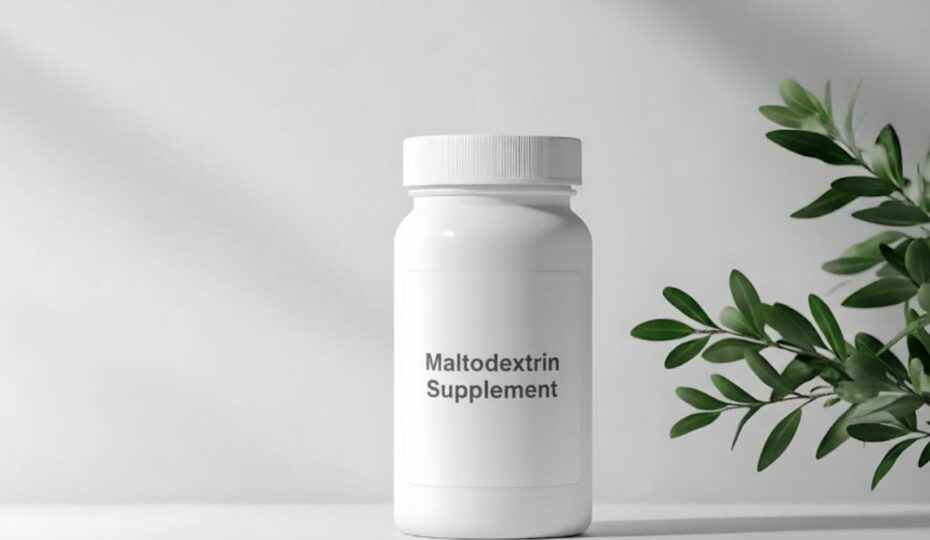
A maltodextrin supplement supports sports nutrition and product function. It does not replace whole meals or a balanced diet. Use it when you need a quick source of carbs around exercise or when a formula needs a reliable carrier or thickening agent. People who want weight gain can place servings between meals and in a post-workout shake while keeping an eye on total calories.
Those who focus on long-term health can keep servings modest and place them around training. If you want a slower profile, combine the carb with protein, fat, or fiber, or evaluate resistant maltodextrin in product concepts. Users with existing medical conditions should confirm plans with a healthcare professional, especially when blood sugar control is a key target.
Conclusion
Maltodextrin is a practical tool for sports nutrition and product development because it blends fast, tastes mild, and delivers a quick source of carbohydrates when energy is needed. The ingredient supports pre-workout, intra-workout, and post-workout shake strategies, and it helps manufacturers build reliable packaged foods with stable texture and shelf life. Plan servings with your goals, track blood sugar if needed, and choose the source and format that align with your label and process.
At US Sweeteners, we stock maltodextrin at scale and ship nationwide from multiple warehouses. We support custom packaging and private labeling with the documentation your production team needs. Contact us for quotes, lead times, and current inventory.
FAQs
Is maltodextrin safe in supplements?
Yes. It is generally safe when used as directed in foods and dietary supplement products and counted toward total carbohydrates.
Is maltodextrin bad for your liver?
No standard guidance shows harm for healthy adults using planned servings; people with liver conditions should ask a healthcare professional.
Does maltodextrin cause cancer?
No. Standard maltodextrin is not linked to cancer; market conversations around colorectal cancer and tumor suppression involve different ingredient contexts.
How much maltodextrin per day?
Match intake to training, calories, and goals; start small around workouts and adjust while tracking daily consumption and added sugar.