
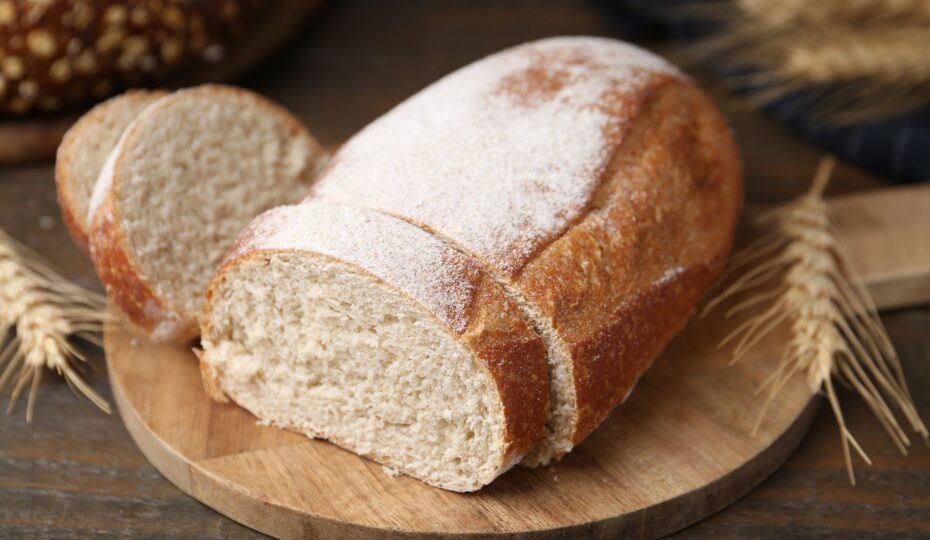
A low calorie sweetener for baking plays a growing role in modern bakery production. Many bakeries aim to reduce sugar while keeping baked goods familiar in taste, texture, and appearance. Lower sugar formulas support products with fewer calories, lower sugar content, and cleaner labels without removing sweetness from favorite recipes. The challenge comes from the fact that sugar affects more than flavor, which means substituting sugar requires careful planning.
At US Sweeteners, we support bakeries, food manufacturers, and distributors with bulk sweeteners, sugar alternatives, and liquid sweeteners used in commercial production. With multi-warehouse distribution and reliable supply, our team helps businesses maintain ingredient consistency across batches while supporting reduced-sugar and lower-calorie product lines.
Why Bakeries Are Reducing Sugar in Production
Bakeries continue to adjust formulations to reduce sugar while maintaining product quality. Many customers want baked goods with less sugar that still deliver a familiar sweet flavor. Lower sugar options also support specialty lines focused on portion control, calorie awareness, and balanced food choices.
Regular sugar contributes heavily to total calories. White sugar, brown sugar, and granulated sugar all add sweetness along with added calories. When bakeries reduce sugar, they must replace both sweetness and functionality to avoid dry texture, weak structure, or flat flavor.
What Sugar Adds to Baked Goods
Sugar adds structure during mixing. Granulated sugar crystals trap air during the creaming process, helping baked goods rise and remain soft. Removing actual sugar without replacing bulk often leads to dense and heavy products.
Sugar also manages moisture. Sugar attracts and holds water, helping baked goods stay soft after baking. When sugar content is reduced, products often lose moisture faster unless wet ingredients are adjusted. Sugar also creates color and flavor. Real sugar caramelizes under heat, producing golden brown surfaces and familiar baked aromas. Many sugar alternatives do not brown the same way.
Understanding Low Calorie Sweeteners for Baking
A low calorie sweetener provides sweetness with fewer calories or zero calorie contribution. These sweeteners vary widely in strength, texture, and performance during baking.
Some sweeteners only add sweetness. Others provide bulk that helps mimic real sugar. Knowing how each sweetener behaves allows bakeries to choose the best sugar substitute for each recipe.
According to a study, low-calorie sweeteners undergo extensive safety evaluation by regulatory bodies and are assigned an Acceptable Daily Intake (ADI) with a large margin of safety. The study also notes that the European Food Safety Authority concluded there is sufficient scientific support that intense sweeteners used in place of sugars can lead to a lower post-meal rise in blood sugar. This supports why a low calorie sweetener for baking can fit reduced-sugar product lines when it replaces regular sugar rather than adding extra calories elsewhere.
Types of Sugar Substitutes Used in Bakery Production
Sugar substitutes fall into several functional groups. Each group behaves differently when heated.
Sugar Alcohol Sweeteners
A sugar alcohol provides sweetness with fewer calories. These sweeteners are common in sugar free baking formulas. They do not raise blood glucose in many applications but may create a cooling sensation after baking. Sugar alcohols provide some bulk but can crystallize after cooling. Blended formulas help reduce texture issues.
Rare Sugar Options
A rare sugar such as allulose behaves closer to actual sugar. It supports browning, moisture retention, and soft texture while providing fewer calories. Because rare sugar browns faster, bakeries often adjust oven temperature slightly or shorten baking times.
High-Intensity Sweeteners
Stevia leaf extract provides strong sweetness with no calories. It is much sweeter than regular sugar and must be used in very small amounts. Stevia does not provide bulk. Blending it with other sweeteners helps maintain texture and balance sweetness.
Artificial Sweeteners
Artificial sweeteners offer strong sweetness but no structure. They work best in fillings, frostings, and cold beverages rather than baked goods requiring volume.
Natural Sweeteners That Still Contain Sugar
Many natural sweeteners still count as real sugar. These include maple syrup, honey, agave syrup, agave nectar, coconut sugar, and date sugar.
Maple syrup adds moisture and a distinct flavor. Honey adds softness and aroma. Coconut sugar has a lower glycemic response but still contributes calories. Date sugar provides natural sweetness but affects texture. These ingredients support flavor and labeling goals rather than calorie reduction.
Matching Sweeteners to Bakery Applications
Different baked goods respond differently to sugar replacement. Chocolate chip cookies rely on sugar for spread and chew. Removing too much sugar results in thick cookies with limited spread. Blended sweeteners perform best.
Banana bread performs well with sugar reduction because fruit already provides moisture. Rare sugar and fruit-based sweetness work well. Cakes depend on sugar for volume and crumb softness. Lower sugar recipes require additional wet ingredients or bulking agents.
How to Substitute Sugar in Baking Recipes
When substituting sugar, sweetness alone is not enough. Bakeries must evaluate five elements:
- Sweetness levels
- Bulk and structure
- Moisture control
- Browning behavior
- Baking temperature response
Conversion charts help match sweetness. High-intensity sweeteners must be measured precisely by cup or gram. Liquid sweeteners require reducing other liquids to maintain batter consistency.
Managing Moisture and Texture
Sugar holds moisture. When sugar is reduced, baked goods often dry out faster. Adding wet ingredients such as applesauce or yogurt helps restore softness.
Bulking agents help replace lost structure. Without enough bulk, baked goods collapse or become dense. Cooling behavior also matters. Some sweeteners change texture once cooled, which affects mouthfeel.
Browning and Oven Adjustments
Many sugar alternatives do not caramelize like sugar. Products may appear pale even when fully baked.
Rare sugar options brown more easily. Lowering oven temperature slightly helps prevent over-browning. Monitoring baking times improves consistency.
Using Blended Sweeteners
Blends often perform better than single ingredients. Combining stevia with sugar alcohol or rare sugar balances sweetness and reduces bitterness.
Blended sweeteners improve texture, flavor profile, and shelf stability. Most commercial reduced-sugar formulas rely on blends rather than one substitute.
Baking Tips for Lower Sugar Production
Reducing sugar requires controlled formulation rather than direct swaps.
- Replace sugar gradually
- Maintain enough bulk for structure
- Adjust wet ingredients when using liquid sweeteners
- Test texture after cooling
- Fine-tune baking times and oven temperature
Supporting Reduced Sugar Bakery Product Lines
Low calorie sweeteners help bakeries lower sugar content while maintaining familiar taste. Choosing the right sweetener depends on how sugar functions in each recipe. When sweetness, moisture, and structure are balanced correctly, baked goods maintain quality even with less sugar.
If you are looking for ingredient options that support reduced-sugar bakery production, we offer sweeteners for bakeries designed for consistent performance across commercial baking. Our selection includes bulk sweeteners and sugar alternatives that help maintain texture, sweetness, and product quality at scale. Explore our sweeteners for bakeries to find options that align with your formulation and production needs.
Conclusion
Low calorie sweeteners allow bakeries to reduce sugar content while maintaining structure, flavor, and appearance. Sugar affects sweetness, moisture, browning, and texture, which means successful substitution depends on function rather than sweetness alone. When sweeteners are matched to the recipe and supported by proper formulation, baked goods can retain quality with fewer calories.
At US Sweeteners, we provide bulk sweeteners, sugar alternatives, and liquid sweeteners for commercial bakery production. Our nationwide distribution network supports consistent ingredient supply for reduced-sugar product lines. If your business is refining formulations or expanding lower-calorie offerings, contact us to discuss ingredient options that support your production goals.
FAQs
What is the best low calorie sweetener for baking?
Rare sugar blends and sugar alcohol blends work well because they provide sweetness along with some bulk needed for baking.
Can sugar be replaced one to one in baking recipes?
Some blends allow one-to-one replacement, but many recipes require liquid or texture adjustments.
Why do baked goods taste different with sugar substitutes?
Sugar substitutes do not caramelize or bind moisture the same way as real sugar, which affects flavor and color.
Do low calorie sweeteners affect blood sugar?
Many low calorie sweeteners do not raise blood glucose the same way regular sugar does, though effects vary by ingredient.