Simple syrups and liquid sugars are used every day in beverages, baking, and food production, and the comparison of liquid sugar vs simple syrup often creates confusion. Both come from sugar, usually from sugar cane or beet sources, but they function differently in recipes and large-scale applications. Some people think they are interchangeable, but the balance of water, sucrose, and consistency changes how they behave in cold drinks, baked goods, sauces, and cocktails.
At US Sweeteners, we supply pure cane sugar, liquid sugar, syrups, and food ingredients to distributors, manufacturers, and food businesses nationwide. Our focus is on reliable delivery, consistent quality, and solutions for beverage production, baking, confectionery, and large-scale cooking needs. We support operations that depend on bulk sweeteners to improve mixing, stability, and processing efficiency.
What Simple Syrup Means
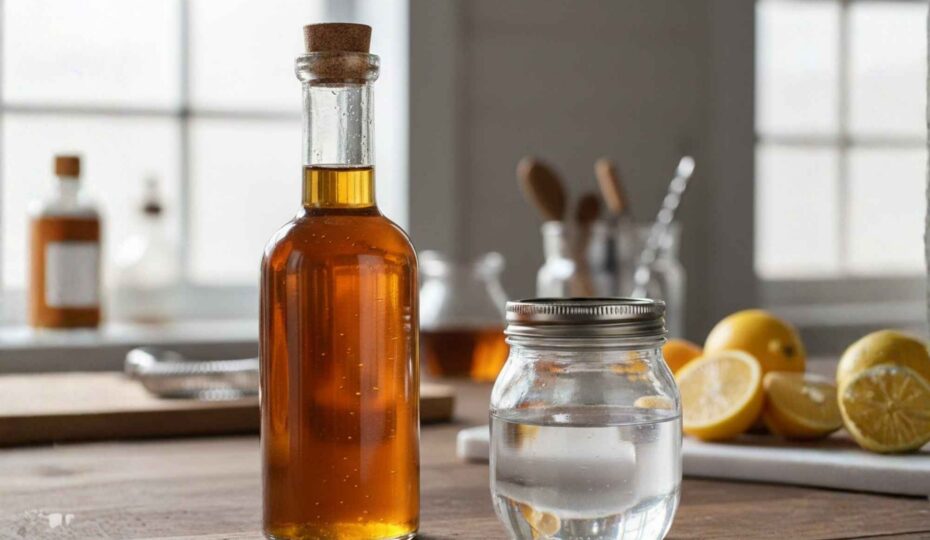
Simple syrup is a liquid sweetener made by dissolving equal parts sugar and water. Most recipes use granulated sugar, but it can also be made with white sugar, turbinado, coconut sugar, molasses, honey, and maple syrup. The sweetness level matches table sugar, but the water content changes how it performs in drinks, desserts, and sauces. Many home cooks and bar professionals rely on it because simple syrup dissolves fast and blends smoothly with other ingredients.
The method for making simple syrup is direct. Heat water, stir in just sugar, and continue until the sugar dissolves fully. Some prepare it cold, but warm water helps the sugar dissolve properly. Basic syrup uses equal parts water and sugar, while rich simple syrup uses two parts sugar to one part water. The richer syrup is thicker and adds stronger sweetness with less volume. It also lasts longer in storage because the higher sugar level slows spoilage.
Why Simple Syrup Works Well in Drinks
Simple syrup is used because it mixes better than dry sugar in beverages. Regular sugar does not dissolve in a cold beverage. It settles as undissolved sugar at the bottom of a cup of iced tea, iced coffee, or lemonade, which limits the sweetness balance. Simple sugars in syrup form mix into cold and hot beverages with less effort and give a steady level of sweetness throughout the drink. This makes it useful for favorite drinks such as mojitos, a whiskey sour, or fruit-based cocktails.
Simple syrup also supports flavor adjustments. It can carry spices, citrus peel, herbs, crushed fruit, or other ingredients that add more flavor to beverages and desserts. Because the water content prevents clumping, syrups help flavoring spread evenly. It is helpful when making juices, mixed beverages, or frozen drinks in small batches. It is also a flexible choice for home users because it works for a few drinks at a time without preparation challenges.
What Liquid Sugar Means
Liquid sugar is used by commercial food and beverage producers and is more concentrated than simple syrup. It is a controlled blend of water and pure cane sugar that supports consistent taste, texture, and mix performance. The ratio of sugar to water is higher than the 1:1 recipe used for homemade syrup. This protects the sweetness level and reduces the risk of adding too much liquid to formulas. Many operations prefer liquid sugar because production teams do not have to dissolve large quantities of granulated or dry sugar during batching.
According to a review on syrup types, a syrup is defined as a “nearly saturated aqueous solution of sugar such as sucrose in water,” often used with flavoring or additional ingredients. In these solutions, the sugar is fully dissolved and yields a viscous, stable liquid with little tendency toward recrystallization, making it ideal for syrups, beverages, and confectionery applications.
Liquid sugar is created through a filtration process that removes particles and standardizes clarity, color, and flavor. Because the sucrose is already dissolved, the product blends smoothly with other ingredients used in sauces, glazes, yogurt, confectionery, bottled juices, frozen treats, and syrups. It also supports consistency across large production runs where matching sweetness levels is important. Many beverage lines depend on this stable format because it saves time and improves accuracy.
Differences Between Liquid Sugar and Simple Syrup
The first difference relates to sugar concentration. Simple syrup contains equal parts water and sugar, and rich simple syrup increases sugar levels but still holds extra water. Liquid sugar carries a higher amount of dissolved cane sugar or beet sugar and delivers more predictable sweetness per cup. This allows businesses to produce uniform batches of food, desserts, and beverages without adjusting water levels. Homemade simple syrup does not meet this standard because the sugar level can vary with preparation style.
Taste and performance also differ. Simple syrup provides the same taste as table sugar but includes water that changes the texture of some foods. It blends well in drinks but is not ideal for heavy-duty applications. Liquid sugar offers steady sweetness and does not separate under heat or agitation. It also maintains a smooth mouthfeel and supports flavor control, which matters in sauces, caramel, frozen desserts, and blended beverages.
Another difference is how they react to cold drinks. Simple syrup dissolves quickly, while granulated sugar stays grainy unless heated. Liquid sugar also dissolves fast, but does so without extra water. This avoids dilution and supports consistent recipes. Producers avoid using simple syrup in large-scale operations because the excess water can affect density, freeze points, and texture.
Finally, storage life varies. Homemade syrup lasts for a short period, while liquid sugar used in commercial supply chains lasts longer due to controlled processing and packaging. This supports high-volume users who rely on steady inventory.
When Simple Syrup Works Best?
Simple syrup is a common choice in cocktails, small-batch sodas, fruit drinks, syrups for coffee, and topping sauces. When a recipe requires sugar to blend instantly into a cold beverage, this syrup is the best bet. It mixes into citrus drinks, honey-based blends, and sweetened teas. It also works well for brushing onto cakes and pastries to moisten cakes without graininess.
Simple syrup also supports flavor building when working with other ingredients such as spices, herbs, or infused fruits. These additions bind well to syrup and help spread flavors evenly. For home use or bar service, preparing a few drinks, the simplicity of making a quick syrup helps avoid mixing challenges with undissolved sugar.
When Liquid Sugar Works Best?
Liquid sugar is used by food manufacturers, bakeries, coffee chains, bottling operations, creamer producers, and confectionery facilities. It supports consistent sweetness levels and helps teams avoid handling large amounts of granulated sugar in production settings. It simplifies weighing, dissolving, and safety concerns tied to moving heavy bags of sugar in large volumes. Once mixed into a batch, liquid sugar does not crystallize or cause uneven blending.
Liquid sugar also works well in frozen desserts, syrups, fruit solutions, flavored milks, chocolate sauces, and commercial beverage bases. It supports clean mixing when combined with glucose, fructose, agave, stevia, or sugar substitutes. This helps maintain a clean texture without clumping. Many businesses choose liquid sugar because it lowers labor time and improves process control.
If you are looking for bulk liquid sugar, we offer reliable supply options designed for beverage lines, bakeries, and large-scale food operations. Our products support consistent sweetness, smooth blending, and steady performance across many applications. You can contact us if you would like to source dependable liquid sugar for your production needs.
Other Sweeteners Used in Syrups
Simple syrup can be made with other sugars besides cane sugar. For example, coconut sugar, honey, agave, maple syrup, or molasses change the flavor and sweetness level. Some offer richer notes that work well with spices or fruit. These versions behave differently because the natural levels of glucose, fructose, and minerals may change how they thicken or blend with water. They do not always match the neutral taste of white sugar or table sugar.
Producers who want steady sweetness often rely on pure cane sugar or beet sugar liquid syrups. These match more recipes and do not interfere with the taste of sauces, beverages, or baked items. Specialty blends are more common in artisanal or small-batch settings where the goal is a distinct taste rather than volume output. Commercial operations also use sugar alternatives to reduce calories or adjust nutrition claims, but these can change the way a syrup behaves in mixing.
Substitution Guide
Simple syrup can replace granulated sugar in some cases, but there are limits. When used in hot drinks, the water does not cause problems because it blends quickly. When used in baking, the extra water can change the structure of cakes, breads, and other baked goods. Many baked recipes depend on dry sugar for browning, stability, and texture. Replacing it with syrup can lead to softer or collapsed results.
Simple syrup should not replace liquid sugar in manufacturing because the syrup adds too much liquid, lowers strength, and changes batch yields. Liquid sugar is more stable and does not require recipe changes to adjust for water levels. In drink settings, syrup can replace sugar, but for large beverage production, liquid sugar remains more efficient and reliable.
Which One to Choose?
The choice depends on use. Simple syrup helps with drink preparation, small-batch sauces, dessert finishing, and fruit glazes. It performs well when fast dissolving is needed. Liquid sugar supports large-scale production, consistent results, and faster batching with lower labor demands. Both deliver clean sweetness, but they fit different needs in food and beverage applications.
Liquid sugar offers more stability and less variation in sweetness, making it suitable for manufacturers producing high volumes. Simple syrup fits home kitchens, bars, and small food operations preparing syrups or mixers for limited batches.
Conclusion
Both liquid sugar and simple syrup have clear roles. Simple syrup works well for drinks, topping sauces, and brushing on desserts, while liquid sugar supports controlled sweetness for large-scale production and stable batching. Choosing based on the level of processing, volume, and recipe needs helps prevent dilution problems and improves consistency.
At US Sweeteners, we supply bulk liquid sugar, pure cane sugar, syrups, and food ingredients to support beverage lines, bakeries, manufacturers, and businesses that depend on accurate and stable sweetening systems. Contact us for supply information, bulk options, or distribution support that matches your food or beverage production needs.
FAQs
Is liquid sugar the same as simple syrup?
No. Liquid sugar has a higher sugar concentration with less water, while simple syrup uses equal parts sugar and water.
Can simple syrup replace sugar in baking?
No. Simple syrup adds water, and this changes the structure of baked goods that depend on dry sugar.
Does liquid sugar dissolve better than regular sugar in cold drinks?
Yes. Liquid sugar is fully dissolved during processing, so it mixes into cold drinks instantly without graininess.
What sugar is best for making simple syrup?
Most people use white sugar or cane sugar, but coconut sugar, honey, or turbinado also work with slight flavor changes.