
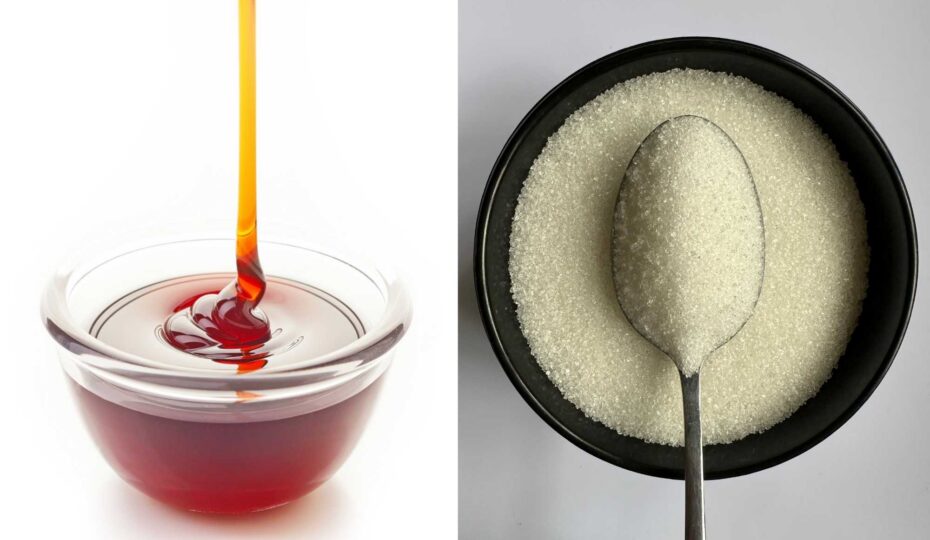
Liquid sugar vs granulated sugar is a common comparison for manufacturers who need consistency, reliable performance, and predictable behavior in food and beverage production. Both options offer sweetness, but they differ in how they mix, flow, store, and support various textures. Choosing the right format helps businesses maintain quality, meet production targets, and match specific recipe requirements without slowing down line operations.
At US Sweeteners, we help distributors, wholesalers, bakeries, beverage producers, and food manufacturers access bulk sugar formats that support efficient, dependable production. Our company provides bulk granulated sugar, bulk liquid sugar, custom packaging, private labeling, and fast nationwide delivery supported by a multi-warehouse system. This structure helps customers keep inventory steady and reduce disruptions in their supply chain.
What is Granulated Sugar?
Granulated sugar is a dry, crystallized sweetener made from refined sucrose. It is the most common sugar used in commercial food production because it stays stable, blends well with other dry ingredients, and handles heat predictably. Manufacturers choose granulated sugar when they need consistent sweetness along with functions such as browning, caramelization, or crystal structure.
According to research, granulated sugar is the most common sugar called for in recipes when cooking and baking. ‘Regular’ sugar granules are fine because small crystals are ideal for bulk handling and not susceptible to caking. Sugars are classified in several ways, including crystal size (granulated, powdered, or superfine) and color (white or brown).
This sugar format works well in bakery mixes, confectionery items, dry blends, and products that require aeration or structure. Its crystal shape helps create texture in cookies, muffins, cakes, and pastries. The behavior of granulated sugar during heating and mixing plays a major role in product color, flavor, and finished appearance.
How Granulated Sugar Works in Manufacturing
Granulated sugar affects more than sweetness. Its particle size and structure influence how doughs rise, how crumb textures form, and how coatings or toppings appear after baking. When mixed with fats, granulated sugar traps air and contributes to volume and moisture balance. These reactions help create predictable results in many bakery applications.
This sugar format also supports controlled browning during cooking and baking. As heat is applied, granulated sugar melts and caramelizes, contributing to color and flavor development. These functions make it useful in items where appearance, texture, and flavor development rely on sugar crystals breaking down at the right time.
What is Liquid Sugar?
Liquid sugar is a syrup made by dissolving refined sugar in water and filtering it until it becomes clear and uniform. It has a controlled solids level, consistent viscosity, and even sweetness that blends smoothly into liquid formulas. Manufacturers commonly refer to it as liquid sucrose or sucrose syrup.
Liquid sugar is chosen when companies want a sweetener that mixes quickly and reduces steps in processing. Because it is already dissolved, it eliminates the need for heating tanks, filtration steps, and long mixing times. This makes it suitable for high-volume beverage lines, sauces, syrups, dairy items, and products where flow properties matter.
Common Uses of Liquid Sugar
Liquid sugar works well in beverages because it distributes sweetness evenly without leaving undissolved crystals. This is useful for teas, coffees, juice drinks, flavored waters, sports drinks, and similar liquid formulas. Metered pumps can deliver exact amounts during mixing, which helps maintain consistent taste across every batch.
Manufacturers also use liquid sugar in frozen desserts, dairy products, sauces, and glazes. It helps create smooth texture and supports mouthfeel in items that need stable viscosity. Liquid sugar also helps control freezing behavior in ice cream and keeps sauces and syrups consistent during production and storage.
If you are looking for bulk liquid sugar for beverage production, sauces, frozen desserts, or large-scale processing, US Sweeteners offers dependable supply options that fit high-volume manufacturing. We offer liquid sugar in totes, drums, and full tanker loads, giving businesses flexibility based on their output and batching needs. This helps companies simplify mixing steps, support consistent sweetness, and maintain smoother liquid operations across their production lines. You can visit our Bulk Liquid Sugar page to learn how our nationwide delivery, fast turnaround, and custom packaging options can support your operation.
How Liquid Sugar and Granulated Sugar Compare
Liquid sugar and granulated sugar both come from sucrose, but their physical structure affects how they behave in production. Granulated sugar must dissolve fully before it can be incorporated into most formulas, which requires time, agitation, and sometimes heat. Liquid sugar is ready for use immediately, which reduces effort and speeds up production.
Both forms deliver the same level of sweetness when solids are matched. Any difference in perceived taste comes from concentration or dilution, not from the sugar itself. This makes switching possible when manufacturers adjust water levels or solids to match the desired sweetness strength.
Texture and Mouthfeel Differences
Granulated sugar contributes structure and texture because its crystals interact with fats, dry ingredients, and heat. This helps create crunch, volume, or specific crumb textures in baked goods. Formulas that depend on aeration or creaming rely on these crystals to support the right final structure.
Liquid sugar works oppositely. Its smooth, pre-dissolved form helps avoid graininess and blends well into liquids. This makes it a strong choice for beverages, fillings, sauces, and items where a smooth mouthfeel is a priority. It supports consistent viscosity and avoids sugar bloom or recrystallization in sensitive applications.
Dissolution and Processing Behavior
Granulated sugar takes time to dissolve in both warm and cold systems. Without enough mixing or heat, crystals can settle or cause uneven sweetness. This may slow production or require additional equipment, depending on the scale of the operation. Smaller facilities often work with dry sugar because it fits their workflow.
Liquid sugar eliminates dissolution time. It can be pumped directly into mixers or tanks and disperses evenly without clumps or residue. This helps speed up batch preparation and supports consistent quality in large-scale liquid processing. Many beverage systems rely on liquid sugar to maintain smooth, predictable operations.
Where Each Sugar Works Best
Granulated sugar is the preferred option for baked goods, dry mixes, and confectionery items where texture and structure matter. Its crystals play a role in browning, aeration, and crumb development. Products such as cookies, muffins, pastries, and toppings benefit from the way granulated sugar interacts with fats and heat.
Liquid sugar is better suited for beverages, syrups, sauces, frozen desserts, and dairy drinks. It avoids graininess, supports smooth blending, and offers consistent viscosity. This helps streamline production for liquid-based formulas and supports precise sweetness control through metered dosing systems.
Formulation Tips When Switching Sugar Formats
When switching from granulated sugar to liquid sugar, the most important adjustment involves water balance. Liquid sugar contains water, so the total liquid in a formula must be reduced to keep the product structure consistent. This helps maintain texture, solids, and final product stability.
Manufacturers often review solids content, viscosity, and desired mouthfeel before completing the switch. Adjustments may also include blending order or mixing speed. Working with a supplier can help determine whether liquid sugar or granulated sugar better supports a new product or updated formulation.
Cost and Logistics Differences
Granulated sugar stores well in silos, supersacks, and standard 50-lb bags. It has a long shelf life and does not require controlled temperatures. Many facilities use dry sugar because they already have the space, equipment, and labor systems built around handling powders.
Liquid sugar requires tanks, totes, or tanker deliveries. Some facilities use temperature-controlled storage to keep the syrup fluid and prevent crystallization. Once installed, liquid sugar systems reduce manual labor, lower dust exposure, and help simplify batching. For large operations, these efficiencies often offset the cost of storage equipment.
Handling and Labor Needs
Granulated sugar requires staff to manage bag loading, storage organization, dry waste, and dust control. These steps take time and require additional cleanup. Facilities with limited space may find themselves balancing storage needs and production speed when relying on dry sugar.
Liquid sugar reduces manual handling because pumps, valves, and metering systems deliver the syrup directly to production lines. This reduces lifting, dust generation, and bag disposal. Facilities that run continuous beverage or liquid production often see faster workflow and fewer handling steps when using liquid sugar.
Quality and Batch Consistency
Liquid sugar offers highly consistent solids, clarity, and sweetness. This helps maintain uniform results across large batches. In beverage systems, even small differences in sweetness can affect product quality, which makes liquid sugar appealing for high-volume production.
Granulated sugar is also reliable but may vary slightly in crystal size or moisture depending on how it is stored. These variations do not affect most dry or baked applications but may require more attention when mixing into liquids. Both formats deliver consistent performance when sourced from a dependable supplier.
Labeling and Product Development Notes
On ingredient labels, granulated sugar is listed as sugar. Liquid sugar appears as liquid sugar or sugar syrup, depending on the formula. Both are treated as added sugars when included in products. Manufacturers choose between them based on product type, expected texture, and processing needs.
Some brands adjust formulas to reduce overall added sugar or create lighter versions of their products. Choosing between granulated sugar and liquid sugar can support these updates, depending on how the formula is built and how the product is processed.
How US Sweeteners Supports Bulk Sugar Needs
US Sweeteners supplies both granulated sugar and liquid sugar in bulk quantities for national and regional manufacturers. Customers can order 50-lb bags, super sacks, liquid totes, or full tanker loads based on their production volume. This range of options helps support different facility sizes and production setups.
We also provide custom packaging and private labeling for businesses that need consistent branding and shipping workflows. Our nationwide multi-warehouse system helps customers reduce freight time, maintain steady inventory, and avoid disruptions in their ingredient supply. We support food and beverage companies that need stable, reliable access to essential ingredients.
Checklist for Choosing Between Liquid Sugar and Granulated Sugar
Ask these questions when selecting a sugar format for manufacturing:
- Does the formula require sugar crystals for structure?
- Can the facility store and pump liquid sugar?
- Will dry sugar handling slow down production?
- Do you need fast mixing or controlled viscosity?
- Is the product liquid, frozen, baked, or dry blended?
These points help determine which format aligns with recipe needs, equipment capacity, and production goals.
Conclusion
Liquid sugar and granulated sugar both provide sweetness, but they work differently in manufacturing. Granulated sugar supports structure, browning, and texture, while liquid sugar offers fast blending, smooth flow, and reliable dosing for liquid-based applications. The right choice depends on recipe needs, available equipment, storage capacity, and the overall demands of production.
At US Sweeteners, we supply bulk granulated sugar and bulk liquid sugar to food and beverage manufacturers across the United States. Our team supports sourcing, custom packaging, and nationwide delivery with a multi-warehouse system designed for dependable supply. Contact us to learn how we can support your ingredient needs and help keep your production running smoothly.
FAQs
Is liquid sugar the same sweet as granulated sugar?
Yes. Both come from sucrose and have the same sweetness when solids are matched.
Can liquid sugar replace granulated sugar in drinks?
Yes. Liquid sugar mixes faster and avoids undissolved crystals in beverages.
Is granulated sugar better for baking?
Yes. Granulated sugar provides structure and browning needed in baked goods.
Why do manufacturers use liquid sugar?
Liquid sugar saves mixing time, reduces manual handling, and supports consistent batching.