Is Maltodextrin Sugar? Understanding Its Uses
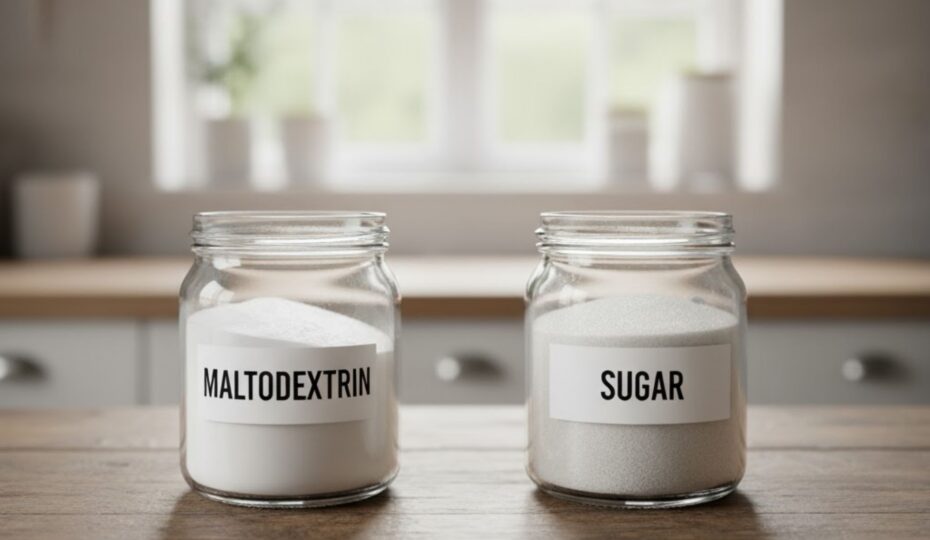
Is maltodextrin sugar? This is a common question because maltodextrin shows up on many labels. It is a fast-digesting carbohydrate made from plant starches, and it can affect blood sugar levels. You will see it in packaged foods and sports drinks, and it has the same calories as table sugar.
US Sweeteners supplies bulk sweeteners and food ingredients to distributors, wholesalers, and manufacturers nationwide. We maintain multi-site warehouse inventory for fast shipping, offer custom packaging and private labeling, and provide COAs and documentation on every shipment.
Is Maltodextrin a Sugar
Maltodextrin is not table sugar. It is a dietary polysaccharide made of short chains of sugar molecules that the digestive system breaks down quickly. It can raise blood sugar and often has a high GI compared with other carbohydrates. On Nutrition Facts, it contributes to the total carbohydrate count rather than added sugar, so anyone monitoring blood sugar levels should track intake.
Formulators use maltodextrin for function, not sweetness. It acts as a thickening agent, bulking agent, and flavor carrier. With a neutral taste and quick solubility, it adds body without making products too sweet. This is why it appears across many foods, from baked goods and salad dressings to energy drinks and soft drinks.
What Maltodextrin Is and How It Is Made
Manufacturers start with plant starches such as corn starch, potato starch, tapioca starch, and rice. These starchy foods go through hydrolysis with enzymes and water. The result is a white powder with a neutral taste that blends well with other carbohydrates and proteins.
The production process controls chain length and behavior in water. Shorter chains digest faster and can yield a higher glycemic index. Longer chains handle water differently and can change texture, body, and shelf life in food products. The ingredient is flexible in use and easy to handle in dry blends.
Where It Appears and Why Manufacturers Use It
Food makers add maltodextrin to processed foods and packaged foods to support consistency and flow while keeping taste stable. It is common in cooked cereals, dairy products, sauces, salad dressings, soft drinks, and sports drinks. It helps stabilize powders, improve mouthfeel, and carry flavors or colors. Some powdered mixes list either maltodextrin or dextrose because both improve dispersion.
Label wording can confuse shoppers who only scan for added sugar. Maltodextrin can partially replace sugar because it adds body with minimal sweetness change. R&D teams also select it to improve freeze-thaw performance, reduce clumping, and extend shelf life. It also appears in supplements for athletes and in livestock feed as a carrier for nutrients or flavors.
Nutrition Basics of Maltodextrin
Maltodextrin provides 4 calories per gram, the same as table sugar. It delivers quick energy because the chains break down fast. On labels, it increases the total carbohydrate count, not added sugar. Its nutritional value is mainly energy, not vitamins or minerals.
Because it is a fast-digesting carbohydrate with a high GI, it may cause high blood sugar more quickly than some other carbohydrates. People with insulin resistance should watch portion sizes. Choosing whole grains and high-fiber foods helps balance meals that include products with maltodextrin. High intake across the day can potentially lead to weight gain if it replaces fiber-rich choices.
Health Benefits and Risks
Maltodextrin is a fast-digesting carbohydrate used in sports drinks, energy drinks, and sweet energy products. It provides the same calories per gram as table sugar and counts toward the total carbohydrate count on the label. Resistant maltodextrin, also called digestion-resistant maltodextrin, behaves like fiber and may support regularity without adding strong sweetness.
Standard forms often have a high glycemic index and can raise blood sugar levels quickly, which matters for people with insulin resistance. Heavy use of processed foods can crowd out whole grains and contribute to weight gain. Most people with celiac disease or gluten intolerance can use products labeled gluten-free, but source checks help manage gut bacteria risks, including Salmonella bacteria, during production and storage.
According to research, maltodextrin is made from starches such as corn, potato, rice, or wheat and is considered gluten-free; in the U.S., it’s usually corn-derived, and even when sourced from wheat, the processing removes gluten to levels that meet FDA gluten-free rules.
Labeling and Shopping Guide
This ingredient does not always count as added sugar, even though it is a carbohydrate that can raise blood sugar. Read both the ingredient list and the total carbohydrate count to understand how much you consume. If you track blood sugar levels, test how a product affects your readings after a serving.
Procurement and R&D teams consider crop source, DE range, flow, solubility, and whether sourcing is genetically modified or non-GMO. Many buyers also request documentation tied to federal regulations, allergen status, and quality schemes. The ingredient is generally recognized as safe under FDA GRAS, but usage varies by category and consumer goals.
Maltodextrin vs. Other Options
Compare how maltodextrin stacks up against table sugar, sugar alcohols, and texture-focused alternatives. See how each option affects sweetness, glycemic index, blood sugar levels, texture, and shelf life so you can choose the right ingredient for flavor, function, and labeling goals.
Table Sugar
Table sugar is a common sweetener that delivers clear sweetness and quick energy. It has the same calories per gram as maltodextrin, and both are fast-digesting carbohydrate sources that show up in many foods and soft drinks. Because sucrose breaks down quickly, it can affect blood sugar levels within a short window.
Compared with maltodextrin, table sugar brings flavor rather than body. Maltodextrin often has a higher glycemic index and may raise blood sugar levels faster than some other carbohydrates, while sugar mainly provides sweetness. In food science, sugar is chosen for taste, and maltodextrin is chosen to add solids, manage texture, and support shelf life.
Sugar Alcohols
Sugar alcohols such as erythritol, sorbitol, and mannitol are common sweeteners that provide sweetness with fewer calories and a lower GI than table sugar. They can help reduce spikes in blood sugar, though some people report gas or bloating at higher intakes. These ingredients are often used in packaged foods, sweets, and energy products where a lower impact on blood sugar is desired.
Sugar alcohols do not replace the functional role of maltodextrin. When formulators need flow, bulking, or powder carry, they may still add maltodextrin to balance texture while sugar alcohols manage taste. This pairing helps match label goals while limiting added sugar and controlling total carbohydrate count.
Other Texture Options
When the goal is body and stability rather than sweetness, there are alternatives to maltodextrin that focus on texture. Guar gum, guar binding gum, arrowroot starch, and pectin act as thickening agents that come from food starch or plant sources. These options support sauces, dairy products, baked goods, and salad dressings without adding strong sweetness.
Selection depends on viscosity targets, freeze-thaw needs, and labeling preferences. Brands may choose these ingredients to lower GI exposure, reduce added sugar, or meet clean label aims while keeping mouthfeel steady. These choices fit projects where maltodextrin intake is being reduced, but functionality must remain reliable.
Who Should Limit or Avoid It
People with diabetes, insulin resistance, or frequent high blood sugar should limit standard forms. They can raise blood sugar levels quickly and complicate readings when combined with other refined carbohydrates. If many foods in your day contain it, test your response and adjust portions.
Those focused on gut health may prefer resistant maltodextrin instead of standard versions. Anyone with a history of inflammatory bowel disease should review new products carefully and monitor symptoms. If you have gluten intolerance or celiac disease, confirm the source and certifications even though processing typically yields a gluten-free ingredient.
Smart Uses for Consumers and Formulators
For consumers, focus on fit and timing. Before intense training or during long sessions, a small amount of sports drinks can help. For steady energy, choose whole grains and pair products that contain maltodextrin with protein and fiber. Track how many products with it you eat and drink in the same day.
For formulators, the ingredient supports flow, texture, and flavor delivery. It can partially replace sugar to adjust sweetness without losing body. It also supports shelf life and improves powder handling in blends. Select DE values and source crops based on target viscosity, sweetness impact, and cost.
If you are looking for reliable supply and technical flexibility, we offer Maltodextrin Bulk in standard and specialty DE ranges with nationwide delivery, COAs on every lot, and options for custom packaging and private labeling. If you’d like to match source (corn, tapioca, potato, or rice) and DE to your target viscosity or sweetness profile, our team can help size the right spec and plan multi-warehouse shipping to your sites. Get a quote and lead time based on your forecast and ship-to location.
Practical Tips for Everyday Use
Check ingredients and do not rely only on the added sugar line. If you track blood sugar, measure your response 30 to 60 minutes after a serving. Pair with protein or fiber to slow absorption and favor whole grains so refined carbs do not crowd them out.
If you use it during training, limit other carbohydrates in the same hour. For weight gain in sports, schedule servings around workouts. For fat loss or stable energy, reduce processed foods with multiple refined carbs. Review blends that list either maltodextrin or dextrose so you know which carbohydrate will be absorbed first.
Conclusion
Maltodextrin is not table sugar, yet it is a fast-digesting carbohydrate that can raise blood sugar levels and contribute to the total carbohydrate count on labels. It supports texture, flow, and shelf life in food products, and it can be helpful in sports drinks and powders when used with a plan. To reduce spikes, choose more whole grains, limit processed foods, and consider resistant maltodextrin or other alternatives when fiber or lower GI is the goal.
At US Sweeteners, we stock bulk maltodextrin in standard and specialty specs with reliable nationwide delivery. If you need custom packaging, private labeling, or help matching DE and source to your application, contact us. Tell us your target use and ship-to location to get a quote or lead time.
FAQs
Is maltodextrin better for you than sugar?
No. Both provide 4 calories per gram, but maltodextrin often has a higher glycemic index and can raise blood sugar faster.
Is maltodextrin considered an added sugar?
Usually no. It counts toward the total carbohydrate count, not added sugar, even though it can affect blood sugar levels.
Does maltodextrin cause inflammation?
Evidence is mixed. Early studies link standard forms to changes in gut bacteria and inflammatory signals, but more research is needed.
Is maltodextrin safe during pregnancy?
In normal food amounts it is generally recognized as safe, but anyone with diabetes or insulin resistance should monitor blood sugar and discuss intake with a healthcare provider.