
Is Cane Sugar Refined? Process and Benefits Explained
Cane sugar is a common ingredient in many homes and food products. It comes from the sugar cane plant and is used to sweeten drinks, baked goods, sauces, and more. People use it every day without always knowing how it’s made or what type they’re using.
This article explains whether cane sugar is refined, how it’s processed, and how different types compare. It also covers how it fits into your diet and what you should know about its effects on health.
What is Cane Sugar?
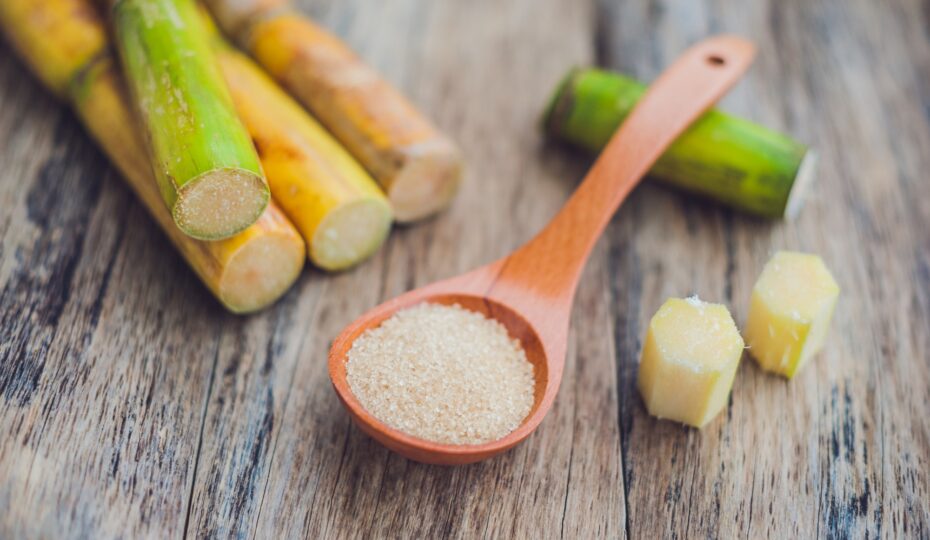
Cane sugar is a sweetener made from the sugar cane plant, a tall tropical grass cultivated for its high sucrose content. It is one of the most common types of sugar used around the world and comes in many forms, including white granulated sugar, brown sugar, confectioners’ sugar, and evaporated cane juice. Cane sugar differs from sugar made from sugar beets, although both are chemically composed of sucrose.
Most cane sugar sold commercially is refined to some degree. Depending on the processing method, cane sugar is categorized as refined sugar, raw sugar, or unrefined cane sugar. These categories help define its final texture, color, molasses content, and nutritional value.
How Sugar Is Made from the Sugar Cane Plant
The production process begins by harvesting the sugar cane plant and crushing the stalks to extract cane juice. This juice contains natural molasses, simple sugars, and trace nutrients. Once extracted, the juice is filtered to remove plant debris and impurities.
The juice is then boiled to evaporate excess water. As it thickens, pure sucrose crystals begin to form. These crystals are separated from the remaining liquid molasses using a centrifuge. The level of centrifugation and filtration determines whether the sugar is classified as raw, unrefined, or refined.
What Makes Sugar Refined?
Refined cane sugar goes through multiple steps to remove impurities and molasses. After the cane juice is boiled and crystallized, the raw sugar crystals are melted, clarified using phosphoric acid, filtered, and re-crystallized several times.
This refining process removes nearly all of the natural molasses and produces refined white sugar with about 99.95% pure sucrose. The result is a processed sugar product that includes granulated sugar, table sugar, caster sugar, and other forms commonly used in homes and food manufacturing.
Understanding Unrefined, Raw, and Refined Sugar Types
Each type of cane sugar is processed differently:
| Type of Sugar | Molasses Content | Processing Level | Examples |
|---|---|---|---|
| Refined Cane Sugar | 0% | Highly refined | Granulated sugar, table sugar, caster sugar, confectioners sugar |
| Raw Cane Sugar | 2–3% | Lightly processed | Turbinado, demerara, evaporated cane juice |
| Unrefined Cane Sugar | 8–14% | Minimally processed | Muscovado, panela, jaggery, Sucanat |
What’s Inside Each Type of Sugar
Cane sugar is primarily made up of simple carbohydrates, specifically sucrose. Most refined and raw sugars contain over 95% sucrose by weight. Unrefined sugars may contain slightly less sucrose, plus small amounts of glucose, fructose, and minerals from natural molasses.
While unrefined sugars retain some micronutrients, such as trace amounts of calcium, magnesium, potassium, and amino acids, their nutritional value per serving is still low. A teaspoon of cane sugar typically provides around 15 to 20 calories and 4 grams of sugar content.
Is There Any Difference in Health Benefits?
There is no substantial difference in health benefits between refined sugar and unrefined sugar. Although unrefined cane sugar retains some natural molasses, the quantities of beneficial compounds are minimal. To meet daily nutritional needs from unrefined sugar alone, one would need to eat sugar in unhealthy amounts. This adds empty calories without delivering meaningful nutritional value.
How Different Sugars Affect the Body
Cane sugar provides a fast source of energy through its simple sugars. When consumed, sucrose breaks down into glucose and fructose. The glucose is used immediately for energy or stored in muscles and the liver. When more sugar is consumed than needed, it is converted to fat.
Sugar and Health Risks
A diet high in added sugar is linked to an increased risk of chronic diseases. Excess sugar intake contributes to weight gain, insulin resistance, heart disease, and fatty liver. The body digests refined white sugar and unrefined cane sugar in similar ways, so switching types does not reduce risk if total sugar consumption remains high.
According to current dietary guidelines, added sugars should make up less than 10% of daily calories. High sugar consumption is common and contributes to public health problems such as obesity and diabetes. According to research, reducing added sugar in the diet is a key recommendation to help lower the risk of long-term health problems like cardiovascular disease and type 2 diabetes.
Comparing Cane Sugar to Artificial Sweeteners
Unlike artificial sweeteners, cane sugar is a natural sweetener derived from plants. While artificial options may reduce calorie intake, many consumers prefer natural sugars for their flavor and familiarity. Cane sugar products are available in many forms, offering flexibility in recipes and manufacturing.
Popular Sugar Products and Where They’re Used
Cane sugar appears in many sugar products:
- Granulated white sugar: Used in baking, beverages, and sauces
- Light brown sugar: Ideal for cookies, marinades, and rubs
- Confectioners sugar: Common in frosting, icing, and dusting
- Evaporated cane juice: Used in beverages, cereals, and snacks
- Rock sugar: Used in traditional candies and teas
- Organic sugar: Popular among consumers looking for non-GMO or pesticide-free options
The Same Sweetness, Different Outcomes
All cane sugar types provide the same sweetness per gram, but the outcome depends on how each type behaves in a recipe. Refined sugar is dry, neutral in flavor, and easy to measure, making it reliable for most applications. It works well in everything from beverages to baked goods.
Raw sugar has a mild flavor due to its small amount of cane molasses and adds texture as a topping. Unrefined sugars bring a richer flavor and extra moisture, which can enhance baked goods like brownies, cookies, and quick breads. Each type of sugar derived from sugar cane has its role depending on what you’re cooking.
Conclusion
Cane sugar can be refined, raw, or unrefined, depending on the production process. While there are differences in color, taste, and moisture, all forms share a similar carbohydrate content. Refined white sugar is common in commercial food production. Raw and unrefined sugars are preferred for their texture, color, and flavor in specific applications. Nutritional value remains low across all types. Limiting added sugar helps support a healthy diet. Whether you’re using light brown sugar in baking or granulated white sugar in tea, moderation is key.
US Sweeteners offers refined, raw cane, and unrefined cane sugar in bulk quantities for food manufacturers, retailers, and commercial kitchens. Whether you’re sourcing for production, resale, or foodservice, we supply consistent sugar products you can trust. Contact us to learn more about ordering options or to request a quote.
FAQs
Is cane sugar considered refined?
Yes, most cane sugar is refined. It goes through a filtering and crystallization process to remove impurities and molasses, resulting in white granulated sugar that is about 99.95% pure sucrose.
What is the difference between cane sugar and white sugar?
Cane sugar is made from the sugar cane plant. White sugar is the refined product that can be made from either sugar cane or sugar beets. Both have the same chemical composition but may differ in sourcing and processing.
Is raw cane sugar healthier than refined sugar?
No, raw cane sugar is not significantly healthier than refined sugar. It contains slightly more molasses and trace minerals, but the difference in nutritional value is minimal.
Is cane sugar better than artificial sweeteners?
Cane sugar is a natural sweetener, while artificial sweeteners are chemically produced. Cane sugar provides calories and affects blood sugar levels, while artificial sweeteners are calorie-free but may have other effects, depending on the type.
Can I use cane sugar as a substitute for regular sugar in baking?
Yes, you can use cane sugar as a substitute for regular sugar in baking. It provides the same sweetness and similar texture, although unrefined cane sugar may slightly affect moisture and flavor.