Is Brown Sugar Refined? Key Facts for Buyers
Many people ask, is brown sugar refined, and the answer depends on how it is produced. Some types of brown sugar come from refined white sugar with molasses added, while others are unrefined sugars that retain the original cane molasses from sugar cane juice. Knowing how these sugars are made helps both consumers and food manufacturers select the right sugar product.
Whether you are using light brown sugar, dark brown sugar, or other sugar varieties like turbinado sugar and demerara sugar, it is important to understand how the refining process changes flavor, moisture, and texture. This guide explains the production process, the differences among sugar types, and what that means for everyday use and bulk supply.
What Counts as Brown Sugar
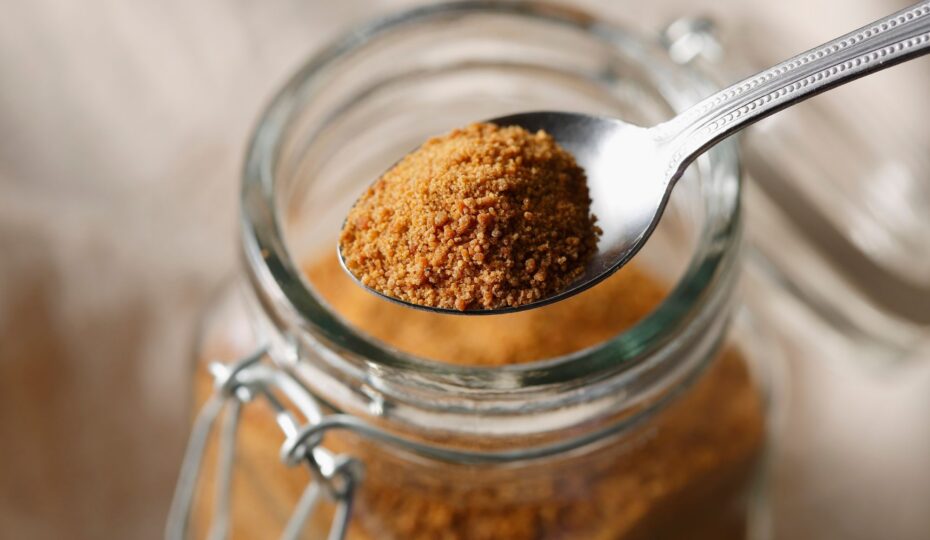
Brown sugar is defined as a sugar product that contains molasses content. This gives it a darker color, distinct flavor, and higher moisture content compared to granulated sugar. The most common forms sold are light brown and dark brown, both of which are typically made from refined white sugar with molasses added back.
Other categories include unrefined and raw sugars. These are made directly from cane juice and retain natural molasses without additional refining. Examples include muscovado sugar, turbinado sugar, and demerara sugar, which provide a unique taste and are often produced in smaller batches.
According to research, brown sugar is not raw or unprocessed sugar. It begins as refined granulated white sugar, and then molasses is added back into the sugar crystals. This process gives brown sugar its signature moisture, acidity, and flavor, with light brown sugar containing less molasses than dark brown sugar.
How Brown Sugar Is Made
The most common method involves producing white sugar from sugar cane or sugar beets at a sugar mill or refinery. This refined sugar is then coated with molasses during the final stage, creating either light brown sugar or dark brown sugar. This process produces consistent sugar crystals that are easy to use in recipes and large-scale production.
In contrast, unrefined brown sugar is created by boiling sugar cane juice until it crystallizes naturally, keeping much of the original cane molasses intact. These sugars are less processed, contain more moisture, and often vary in texture and flavor depending on the batch.
Light Brown vs. Dark Brown Sugar
Light brown sugar contains less molasses and provides a mild caramel flavor. It is usually the default when a recipe calls for brown sugar. Because it has lower moisture content, it blends easily and works well in most baked goods.
Dark brown sugar contains more molasses, giving it a stronger flavor and darker color. The darker the sugar, the richer the taste and the higher the moisture. This variety is often chosen for gingerbread, marinades, or sauces where deep flavor and color are important.
If you like to use bulk brown sugar in your products, we offer both light and dark options that are ready for large-scale use. You can keep your recipes consistent with a steady supply from our warehouses. We make ordering simple and delivery reliable across the US.
Common Varieties of Brown Sugar
Refined options include light brown and dark brown, both produced with molasses added to refined white sugar. These are predictable in taste and widely used in both consumer kitchens and food manufacturing.
Other sugar varieties, such as turbinado sugar, demerara sugar, and muscovado sugar, are partially refined or unrefined. These retain more natural molasses, offer a stronger flavor, and provide a unique taste in recipes. Each has distinct sugar crystals, moisture levels, and handling properties.
Cane vs. Beet Sugar
Brown sugar can be made from cane sugar or sugar beets. While the sucrose content is the same, the production process differs. In cane processing, cane juice produces molasses that can be used for human consumption. In beet processing, beet juice produces molasses that is less desirable for food, so cane molasses is typically used when creating beet-based brown sugar.
In both cases, the end product, whether white granulated sugar, granulated white sugar, or brown sugar, is nearly identical in terms of chemical structure. The differences are most noticeable in flavor and handling, not in nutrition.
Nutrition and Health Claims
Some people believe brown sugar is healthier than white sugar, but this is not accurate. Brown sugar contains small trace amounts of minerals, but the levels are too low to provide real nutritional benefit.
Both brown sugar and white sugar provide the same calories and have a similar glycemic index. They are not significantly different in how the body processes them. For those looking for healthier alternatives, options like honey or maple syrup may offer different flavors, but they are still sugars.
Baking and Food Applications
Brown sugar impacts flavor, structure, and color in baked goods. Light brown sugar provides mild sweetness and helps cookies stay soft, while dark brown sugar creates denser, chewier textures and a deeper flavor. The darker the sugar, the more noticeable the caramel notes in the final product.
The acidity of molasses also interacts with leavening agents like baking soda. This reaction helps doughs rise and influences color development. Substituting brown sugar for white sugar in a recipe will change both taste and moisture, so adjustments may be needed.
Other Sugars Compared to Brown Sugar
Beyond brown and white sugars, there are other widely used sweeteners. Powdered sugar, also called confectioners’ sugar or icing sugar, is finely ground and used in frostings and icings. Caster sugar has smaller sugar crystals and dissolves quickly in liquids.
Liquid sweeteners such as corn syrup and high fructose corn syrup are also refined sugars. Maple syrup and other natural sugars are often used for flavor in specific applications, but they are not the same as brown sugar. Each product has its own role in recipes and manufacturing.
Comparison of Sugar Varieties
There are many types of sugar available, and each has different refining levels, molasses content, and common uses. Some are fully refined for consistency, while others are partially refined or unrefined, keeping more natural molasses for a stronger flavor. Below is a simple breakdown of the most common sugar varieties and how they are typically used.
- Light Brown Sugar: Refined sugar with light molasses added. Provides mild flavor and soft texture, commonly used in cookies and cakes.
- Dark Brown Sugar: Refined sugar with more molasses added. Stronger flavor and moist texture, used in gingerbread and sauces.
- Muscovado Sugar: An unrefined sugar with high molasses content. Sticky and bold in taste, ideal for rich desserts.
- Demerara Sugar: A partially refined sugar with large crystals. Adds crunch and light caramel notes to beverages and toppings.
- Turbinado Sugar: A partially refined sugar with coarse, dry crystals. Often used in cereals and baking for texture.
- White Granulated Sugar: A fully refined sugar with no molasses. Neutral in taste and used as the standard table sugar.
Buying and Storage Tips
When purchasing brown sugar, labels often indicate whether the product is refined sugar with molasses added or an unrefined sugar. Bulk buyers should also look for specifications such as total weight, moisture content, and certification standards.
To prevent clumping, brown sugar should be stored in airtight containers at a stable temperature. Because molasses holds water, brown sugar can harden over time. Adding a small source of moisture to storage containers can help restore texture.
If you are looking for a bulk sugar supplier in the US, we can help with fast delivery and flexible packaging. We offer a wide range of sugars, including brown and granulated, to fit different needs. With our distribution network, keeping your inventory stocked is straightforward.
Conclusion
Brown sugar is produced in several ways, from refined white sugar with molasses added to unrefined products that keep the natural molasses from sugar cane juice. The choice between light brown, dark brown, or unrefined sugars affects flavor, texture, and performance in baked goods, but nutritionally, they are nearly identical to white sugar. Understanding the differences helps consumers and manufacturers make better decisions about which sugar product to use.
At US Sweeteners, we provide a reliable bulk supply of brown sugar, white sugar, and other sweeteners across the United States. With nationwide logistics, custom packaging, and decades of experience, we make ingredient sourcing efficient and consistent. Contact us today to request details or speak with us about your sugar needs.
FAQs
Is brown sugar refined or not?
Brown sugar can be refined, partially refined, or unrefined. Most store-bought versions are refined white sugar with molasses added.
Is brown sugar healthier than regular sugar?
No. Brown sugar is not healthier than regular sugar. Both contain almost identical calories and provide similar effects on blood sugar.
What is the healthiest sugar?
No sugar is truly healthy. Natural sweeteners like honey or maple syrup may contain small amounts of nutrients, but should still be used sparingly.
What sugar is not refined?
Sugars such as muscovado, panela, and jaggery are not refined. They keep their natural molasses from sugar cane juice.
Can I make brown sugar at home?
Yes. You can make brown sugar by mixing white sugar with molasses. Adjust the ratio depending on whether you want light brown or dark brown sugar.