Understanding how sports beverages are sweetened helps explain why sports drinks taste the way they do and how they function during exercise. Sweetening is not only about flavor. It directly affects hydration, energy delivery, calories, and how fluids move through the body during strenuous exercise. The type of sugar or sweetener used influences absorption, fluid retention, and overall exercise performance.
At US Sweeteners, we supply bulk sweeteners, liquid syrups, and essential food ingredients to beverage manufacturers, distributors, and wholesalers across the United States. With more than 30 years of logistics experience and multi-warehouse distribution, we support a consistent supply of sucrose, high fructose corn syrup, glucose, and other carbohydrates used in sports beverages and other beverage applications.
What Sports Beverages Are Designed To Do
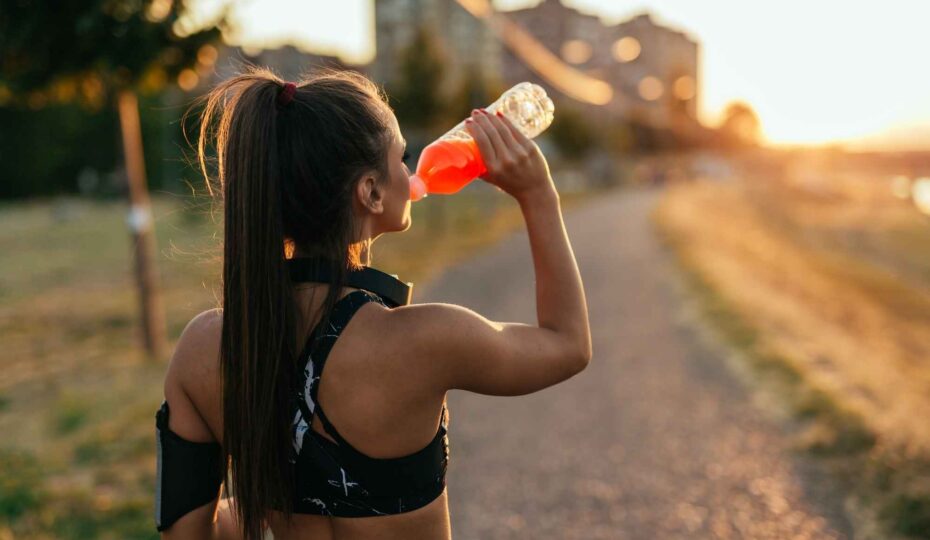
Sports drinks are intended to replace fluids and electrolytes lost through sweat during strenuous exercise. When adult athletes train for hours, the body loses sodium, potassium, and small amounts of calcium through sweat. These electrolytes help regulate muscle contraction, nerve function, and fluid balance. Sports beverages are formulated to support rehydration, energy delivery, and fluid retention so athletic performance can be maintained.
According to research, reviewing multiple meta-analyses found that habitual consumption of artificially sweetened beverages was associated with higher risks of several health outcomes, including obesity, type 2 diabetes, hypertension, and cardiovascular disease. The umbrella review examined results from systematic reviews and cohort studies to evaluate long-term associations between artificially sweetened beverages and health outcomes. Researchers also noted that further clinical and long-term studies are still needed to better understand how artificial sweeteners may affect human health over time.
For routine physical activity, most people can stay hydrated with plain water or unflavored water. Sports drinks may provide benefits during long sessions that last more than an hour, especially in heat or high-intensity training. When consumed outside of intended use, sports beverages function like other sugary drinks and add calories that may lead to weight gain or obesity over time.
Why Sweeteners Are Added To Sports Drinks
Sweeteners give sports drinks a mild sweetness that makes the beverage more appealing to drink during exercise. When a drink has light sweetness and flavor, people are generally more willing to drink fluids consistently, which can support hydration during long periods of physical activity.
Carbohydrates also serve a functional purpose in sports beverages. Small amounts of sugars, such as glucose or sucrose, help support sodium transport in the intestine, which assists water absorption into the bloodstream. This process helps support rehydration and can provide a small source of energy during extended exercise. The balance between sweetness, carbohydrates, and electrolytes is central to how sports beverages are sweetened in production.
At US Sweeteners, we offer sweetener solutions specifically for beverage manufacturing, including sucrose, high fructose corn syrup, glucose, and other liquid sweeteners designed for beverage formulations. Our multi-warehouse distribution network supports beverage manufacturers across the United States with reliable supply, consistent specifications, and flexible packaging options. If you are looking for dependable ingredient sourcing for beverage production, explore our Sweeteners for Beverage Manufacturing solutions to see how we support beverage brands and producers.
The Main Ways Sports Beverages Are Sweetened
Most popular sports drinks use caloric sweeteners such as high fructose corn syrup, sucrose, or glucose. These ingredients provide both sweetness and energy. High fructose corn syrup is commonly used in ready-to-drink beverages because it is stable in liquid form and blends consistently in production. Sucrose is widely used in powder mixes and bottled sports beverages because it offers balanced sweetness and clear labeling.
Sugar-free options use artificial sweeteners. These non-caffeinated sports drinks provide sweetness without added sugar or calories. They are positioned for consumers who want less sugar while still seeking hydration benefits during exercise.
Common sweeteners used in Sports Beverages:
- High fructose corn syrup: A liquid sweetener that provides carbohydrates and calories while offering consistent sweetness in ready-to-drink sports drinks.
- Sucrose: A traditional sugar used in powder and bottled beverages that delivers balanced sweetness and reliable energy.
- Glucose or dextrose: A simple carbohydrate that provides rapid energy and supports absorption in performance-focused formulas.
- Artificial sweeteners: Non-caloric sweeteners used in sugar-free sports beverages to reduce added sugar and calories.
Carbohydrate Levels And Hydration
Carbohydrate concentration influences hydration. Many sports drinks contain about 6 percent carbohydrates because this level provides energy without greatly slowing absorption. Higher carbohydrate levels increase calories and may slow gastric emptying in some individuals.
A small amount of glucose supports sodium transport in the intestine, which helps fluids enter the bloodstream. When carbohydrate concentration becomes too high, fluid delivery may slow. Beverage developers balance energy and hydration based on the intended use of the product.
Electrolytes And Fluid Retention
Electrolytes are a defining part of sports beverages. Sodium is the primary electrolyte lost in sweat and plays a major role in hydration and fluid retention. Potassium and calcium are added in smaller amounts to support muscle and nerve function.
Sodium also stimulates thirst and can increase voluntary fluid consumption. When plain water is consumed alone after heavy sweat loss, electrolyte replacement does not occur. This is one reason sports drinks are formulated differently than soda or other sugary drinks.
Added sugar in sports drinks increases total calorie intake. When these beverages are consumed regularly without matching physical activity, the extra calories may contribute to weight gain and obesity over time. Excess consumption of sugary beverages has also been associated with health concerns such as insulin resistance and metabolic disorders.
Children and kids often consume sports beverages during school events and recreational activities. For routine daily activity, plain water remains the better hydration choice. Sports drinks are generally designed for prolonged or intense exercise lasting longer than an hour rather than everyday hydration.
Sports Drinks And Diabetes
People with diabetes must monitor carbohydrate intake because sugar affects blood glucose levels. During prolonged exercise, some athletes with diabetes may use sports drinks to prevent low blood sugar. However, beverages with caffeine or high sugar levels can raise glucose levels quickly.
Dehydration can increase blood glucose concentration because less fluid is present in the bloodstream. For mild dehydration from exercise or illness, such as diarrhea, electrolyte fluids may support rehydration. Individuals should follow medical guidance for personal nutrition decisions.
Comparing Sports Drinks To Other Beverages
Sports beverages differ from soda because they include electrolytes and are formulated for hydration. Soda contains sugar but does not provide electrolyte replacement. Plain water contains no sugar or calories and remains the primary hydration choice for most people.
- Sports drinks: Moderate sugar, include electrolytes, intended for strenuous exercise and rehydration.
- Soda: High sugar, no meaningful electrolytes, not intended for hydration.
- Plain water: No sugar or calories, suitable for routine hydration.
- Milk-based recovery drinks: Contain carbohydrates, protein, and calcium, often consumed after exercise.
Understanding these differences clarifies how sports beverages are sweetened and how they differ from other beverages consumed daily.
Conclusion
Sports beverages are sweetened to provide both flavor and functional carbohydrates that support hydration and energy during strenuous exercise. The type and level of sweetener influence absorption, calories, and fluid retention. When used as intended during intense physical activity, sports drinks can support athletic performance. When consumed outside of exercise, they function like other sugary drinks and increase added sugar intake.
At US Sweeteners, we supply high fructose corn syrup, sucrose, glucose, and other bulk sweeteners used in sports beverages and food manufacturing. Our multi-warehouse distribution system supports beverage producers and distributors nationwide with reliable inventory and delivery. Contact us to learn more about our ingredient supply options and logistics capabilities.
FAQs
How are sports beverages sweetened?
Sports beverages are sweetened with high fructose corn syrup, sucrose, glucose, or artificial sweeteners. The sweetener provides flavor and may supply carbohydrates for energy.
Are sports drinks better than plain water?
Sports drinks may help during prolonged strenuous exercise. For routine activity, plain water is usually sufficient for hydration.
Do sports drinks cause weight gain?
Sports drinks contain added sugar and calories. Excess consumption without exercise may contribute to weight gain.
Can you substitute confectioners’ sugar for granulated sugar?
Confectioner’s sugar contains starch and dissolves differently from granulated sugar. In beverage production, sucrose or liquid sweeteners are preferred for consistency.