Gluten free sweeteners play a growing role in modern food and beverage production. Manufacturers face rising demand for gluten-free and sugar-free foods that still deliver a familiar sweet taste, stable texture, and clean labeling. Choosing the right sugar substitute affects flavor, calories, blood glucose response, shelf life, and how a product performs in baking, beverages, and ready-to-eat food.
At US Sweeteners, bulk sweeteners and ingredient logistics are handled with a focus on reliability, consistency, and nationwide distribution. The company supplies liquid sweeteners, natural sugars, and sugar alternatives to food manufacturers, beverage producers, bakeries, and distributors across the United States, supporting both traditional and sugar-free formulations.
What Gluten-Free Sweeteners Mean in Manufacturing
Gluten-free sweeteners are ingredients that do not contain gluten proteins and are suitable for products intended for people with celiac disease or gluten sensitivity. Gluten-free does not automatically mean sugar-free. White sugar, cane sugar, brown sugar, corn syrup, and maple syrup are gluten-free by nature, but they still count as regular sugar and contribute calories and glucose.
The big difference for manufacturers comes from processing and formulation. Some sweeteners use starch, fillers, or blending agents that may introduce gluten through cross-contact. Sugar alcohols and artificial sweeteners may be gluten-free on paper, yet still require verification at the supplier level. Food label accuracy matters because gluten-free claims rely on both ingredient choice and handling.
According to research, many processed gluten-free foods contain higher levels of added sugar to replicate the texture and mouthfeel of wheat-based products. The organization explains that added sugars such as cane sugar, corn syrup, honey, real maple syrup, and blackstrap molasses are commonly used in gluten-free baked goods, breakfast cereals, salad dressings, drink mixes, and snacks. They also note that excessive added sugar intake can make it harder to meet nutrient needs and manage calories, which is why U.S. food labels are now required to list added sugars separately from total sugars. This transparency helps manufacturers and consumers better evaluate gluten-free sweeteners and sugar substitutes used in packaged foods.
Sweeteners Do More Than Add Sweetness
Sweeteners serve multiple functions beyond sweetness. Baked goods, sugar helps cakes rise, supports browning, and affects crumb texture. In beverages and drink mixes, sweeteners influence mouthfeel, aftertaste, and stability. In salad dressings and sauces, liquid sweeteners help with binding and viscosity.
Removing or replacing regular sugar changes texture, flavor balance, and shelf performance. High-intensity sugar substitutes may cause an overly sweet result if not balanced correctly. Bulk sweeteners, including liquid sweeteners and dry sugars, provide structure that non-nutritive options do not, which is why blending is common in sugar-free foods.
Naturally Gluten-Free Sweeteners Used in Production
Naturally gluten-free sweeteners are widely used in food and beverage production because they offer reliable performance, familiar taste, and clear labeling. These sweeteners come from plant-based sources and do not contain gluten proteins, making them suitable for products designed for gluten-free diets while still supporting texture, flavor, and consistency in large-scale manufacturing.
Cane Sugar and Sugar Beets
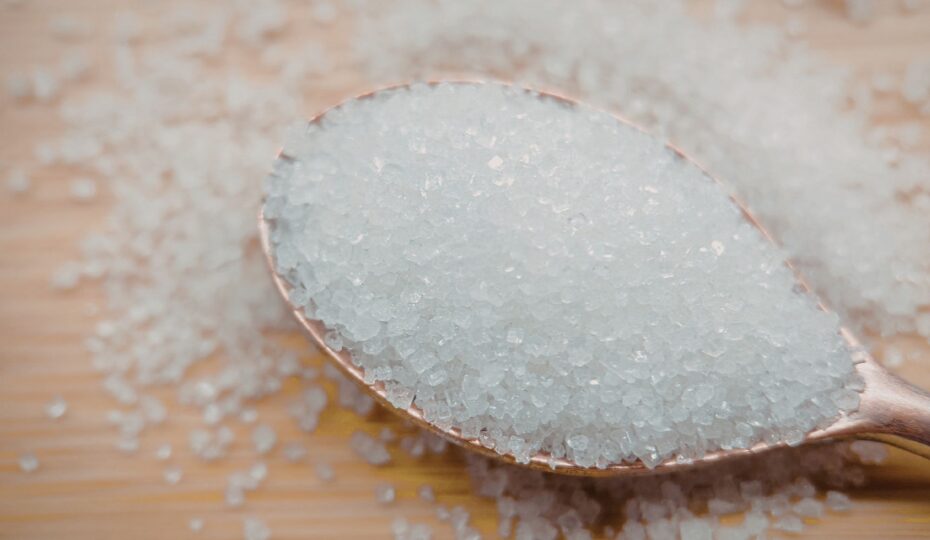
Cane sugar and sugar beets produce white sugar and brown sugar used across food manufacturing. These ingredients are gluten-free, generally recognized, and familiar to consumers. Brown sugar includes molasses, which adds moisture and flavor, while white sugar provides clean sweetness with a neutral taste.
Manufacturers rely on cane sugar and beet sugar for baked goods, breakfast cereals, candy, beverages, and recipes where predictable sweetness and texture matter. These natural sugars behave consistently in baking and heating, making them a dependable base ingredient.
Honey
Honey is a natural sweetener that is gluten-free and varies in flavor based on floral sources. Raw honey contains trace vitamins and minerals and is often viewed as a healthy alternative to refined sugar. It has a lower sweetness level than white sugar, which helps reduce overly sweet outcomes in beverages and sauces.
In manufacturing, honey works well in salad dressings, chewing gum, drinks, baked goods, and snack coatings. It adds moisture and a distinct flavor, which can enhance brand identity but requires consistency in sourcing.
Maple Syrup and Real Maple Syrup
Maple syrup is gluten-free and valued for its flavor and functional benefits. Real maple syrup adds moisture and acts as a binding agent in cakes and breads. It performs well in baked goods, drink mixes, coffee, tea, and sauces.
Manufacturers must distinguish real maple syrup from flavored syrups on the food label. Real maple syrup supports clean ingredient statements and aligns with natural positioning.
Blackstrap Molasses
Blackstrap molasses is a byproduct of sugar refining and remains gluten-free. It has a strong flavor, dark color, and thick texture. It contributes minerals and works well in dark baked goods, sauces, and specialty recipes.
Due to its intensity, blackstrap molasses is often blended with other sweeteners rather than used alone. It supports texture and moisture but can dominate flavor if overused.
Agave Nectar
Agave nectar is sweeter than sugar and often used as a vegan alternative to honey. It dissolves easily, making it suitable for beverages and drink mixes. Its high sweetness requires lower usage rates to avoid an overly sweet result.
Agave supports clean labeling but still contributes calories and glucose. Manufacturers often use it in combination with other sweeteners.
Coconut Sugar and Natural Sugars
Coconut sugar is gluten-free and can replace white sugar or brown sugar in many recipes at a one-to-one ratio. It has a light caramel flavor and is often marketed as a natural option. Functionally, it behaves close to regular sugar in baking and cooking.
Natural sugars like coconut sugar support clean food labels and appeal to health-focused consumers, though they still add sugar and calories.
Low-Calorie Gluten-Free Sweeteners for Sugar-Free Products
Low-calorie gluten-free sweeteners are used in sugar-free products to reduce calories and manage blood glucose while maintaining a sweet taste. These sweeteners allow manufacturers to create sugar-free foods and beverages that meet clean-label and reduced-sugar goals without sacrificing flavor or functional performance.
Stevia
Stevia is derived from the leaves of the Stevia rebaudiana plant and is a natural sweetener that is gluten-free. It gained popularity as a sugar substitute because it does not raise blood glucose or insulin levels. Stevia is used widely in sugar-free beverages, coffee, tea, and drink mixes.
Stevia has a strong sweetness and a noticeable aftertaste when used alone. Manufacturers often blend stevia with bulk sweeteners to balance flavor and texture.
Monk Fruit
Monk fruit is a gluten-free sweetener with a unique flavor profile. It contains no calories and does not affect blood glucose. Monk fruit works well in beverages, baking blends, and sugar-free foods when combined with erythritol or other sugar alcohols.
Its sweetness level is high, which helps reduce the amount of sugar added while maintaining taste. Monk fruit is often viewed as a good substitute for sugar in reduced-calorie formulations.
Allulose
Allulose occurs naturally in small amounts in fruits like figs and raisins. It behaves like sugar in baking, supporting browning and texture, yet contributes almost no calories. Allulose does not significantly raise blood glucose or insulin levels.
Manufacturers value allulose for cakes, sauces, frozen desserts, and baked goods where sugar-like performance is required without added calories.
Sugar Alcohols
Sugar alcohols are generally gluten-free, though verification is required. They provide bulk and sweetness with fewer calories than regular sugar. Sugar alcohols appear often in sugar-free foods.
Common sugar alcohols include:
- Erythritol, found in fruits and fermented foods, has a clean, sweet taste
- Xylitol, with fewer calories, and common use in chewing gum and candy
Sugar alcohols may cause digestive discomfort for some people, especially those with celiac disease. Usage levels should be controlled carefully.
Artificial Sweeteners in Gluten-Free Manufacturing
Artificial sweeteners appear in many sugar-free foods sold on grocery shelves. These ingredients offer intense sweetness without calories and help manage costs at regular price points. They are gluten-free but may raise tolerance concerns.
Common artificial sweeteners include:
- Aspartame
- Saccharin
- Sucralose, often sold as Splenda
- Acesulfame potassium, also called ace k or Ace-K
These sweeteners are generally recognized for food use. Some individuals with celiac disease report bloating, gas, or digestive discomfort after consumption. Artificial sweeteners may affect gut bacteria, which creates health risks for sensitive consumers. Clear food label disclosure helps manage consumer expectations.
Choosing Gluten-Free Sweeteners by Product Type
Choosing gluten-free sweeteners by product type helps manufacturers match sweetness, texture, and stability to specific applications. Different sweeteners perform differently in beverages, baked goods, snacks, and sauces, so selecting the right option supports consistent results and accurate labeling across product lines.
- Beverages and Drink Mixes: Beverages require clean sweetness without lingering aftertaste. Monk fruit, stevia, erythritol, and allulose perform well in drinks, coffee, tea, and drink mixes. Blending helps reduce overly sweet notes.
- Baked Goods: Baked goods depend on sugar for structure and texture. Maple syrup supports moisture and binding. Allulose provides browning and softness. Brown sugar and white sugar still play a role in gluten-free baking when sugar-free claims are not required.
- Breakfast Cereals and Snacks: Breakfast cereals need coating adhesion, crunch, and shelf stability. Cane sugar, coconut sugar, honey blends, and allulose support these functions while maintaining gluten-free positioning.
- Salad Dressings and Sauces: Liquid sweeteners work best in salad dressings and sauces. Honey, maple syrup, agave, and liquid allulose support flavor balance and texture without separation.
- Candy and Chewing Gum: Candy and chewing gum rely on sugar alcohols like xylitol and erythritol. Artificial sweeteners may be added to control calories while preserving sweetness.
Procurement and Quality Control for Gluten-Free Sweeteners
Manufacturers should verify gluten-free status through documentation and supplier transparency. Ingredient sourcing, handling, and transport all affect gluten exposure. Even naturally gluten-free sweeteners can face cross-contact risks.
If you are developing gluten-free or sugar-free products, choosing the right ingredients is only part of the process. We offer a wide range of bulk sweeteners designed for food and beverage manufacturers, helping brands maintain consistent sweetness, texture, and performance across different formulations. If you are looking for dependable ingredient sourcing for large-scale production, explore our Sweeteners solutions to see how our supply network supports manufacturers with reliable inventory, nationwide distribution, and flexible packaging options.
Examples of Gluten-Free Sweetener Products Buyers See
Manufacturers encounter many sweeteners sold as gluten-free, including:
- Monk fruit and erythritol blends
- Coconut sugar replacements for white sugar
- Sugar-free maple syrup options
- Sugar-free chocolate and caramel sauces
- Sugar-free baking mixes
These examples show market demand, but ingredient verification remains necessary at scale.
Conclusion
Gluten-free sweeteners support a wide range of food and beverage applications, from baked goods and breakfast cereals to beverages and sauces. Each option affects sweetness, texture, calories, blood glucose response, and food label claims. Matching the right sweetener to the right product helps maintain flavor consistency while meeting gluten-free and sugar-free demands.
At US Sweeteners, bulk sweeteners, liquid sweeteners, and sugar substitutes are supplied with nationwide distribution and consistent inventory support. Manufacturers looking to scale production benefit from stable sourcing, transparent documentation, and flexible supply options. To learn more or request ingredient support, contact us to discuss bulk sweetener availability and logistics aligned with your product needs.
FAQs
Are gluten-free sweeteners safe for people with celiac disease?
Most gluten-free sweeteners are safe, but cross-contact can occur during processing. Ingredient labels and supplier verification help reduce risk.
Which gluten-free sweeteners work best for sugar-free beverages?
Stevia, monk fruit, erythritol, and allulose perform well in beverages when blended to control aftertaste.
What sweeteners behave most like regular sugar in baking?
Allulose and coconut sugar provide sugar-like browning and texture in baked goods.
Are artificial sweeteners gluten-free?
Artificial sweeteners are gluten-free, but some people with celiac disease report digestive discomfort after consumption.