
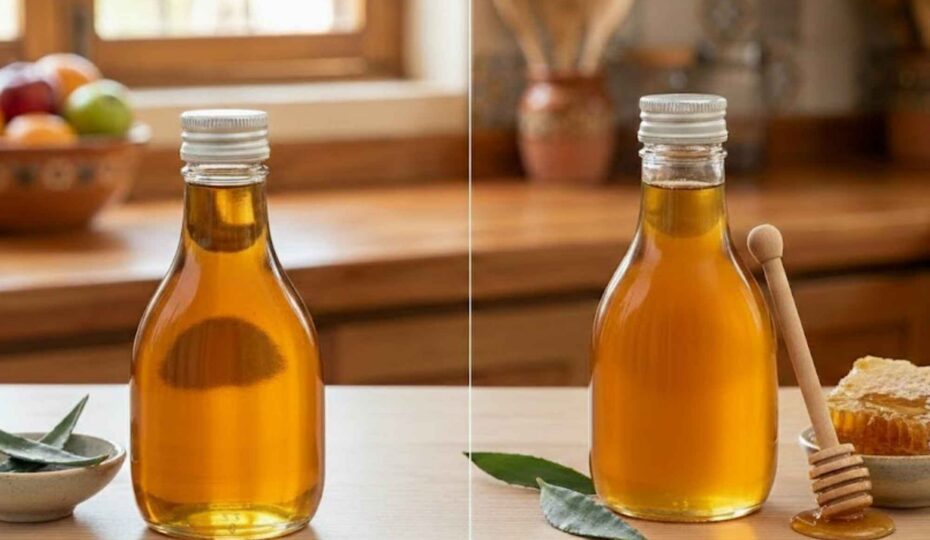
Agave Syrup vs Honey for Manufacturers: Differences in Function, Flavor, and Production Use
Agave syrup vs honey is a common comparison for manufacturers selecting a liquid sweetener for food, beverage, or baking applications. While both serve as alternatives to refined sugar, they differ in source, sweetness level, flavor impact, and performance during production. These differences influence formulation stability, ingredient usage rates, labeling decisions, and batch consistency.
At US Sweeteners, we supply bulk sweeteners and essential food ingredients to manufacturers, distributors, bakeries, and beverage producers across the United States. Our focus is reliable inventory, consistent specifications, and nationwide logistics support designed for commercial production environments that depend on predictable inputs.
Comparison Of Agave Syrup And Honey In Manufacturing
Agave syrup and honey may appear similar, but they behave differently once introduced into commercial formulations. Understanding these differences helps manufacturers reduce variability and choose ingredients that align with product goals.
- Source: Producers make agave syrup from the sap of the agave plant, most commonly blue agave. Bees produce honey using flower nectar, which introduces natural variation tied to floral sources.
- Flavor: Agave syrup delivers clean sweetness with little aftertaste, making it suitable for formulations where sweetness should not alter flavor. Honey carries floral or earthy notes that vary by source and can influence final taste.
- Texture: Agave syrup has a thinner consistency and flows easily, which supports pumping and blending. Honey is thicker and more viscous, which may require heating or longer mixing times.
- Sweetness level: Agave syrup is typically sweeter by volume, allowing manufacturers to achieve target sweetness with lower inclusion rates in some applications.
- Diet compatibility: Agave syrup is plant-based and supports vegan and plant-forward labeling. Bees produce honey, so it does not meet vegan requirements.
- Common uses: Agave syrup fits beverages, dressings, and sauces where neutral sweetness is preferred. Manufacturers often use honey in baking, glazes, and spreads where flavor contribution is part of the product identity.
What Agave Syrup Is
Agave syrup, sometimes labeled as agave nectar, comes from the sap of the agave plant. The plant stores carbohydrates in its core, which processors release during extraction and convert into sugars through controlled heating. This process creates a stable liquid sweetener with predictable sweetness.
The resulting syrup offers a smooth texture and consistent performance. Because it does not introduce strong flavor notes, manufacturers widely use agave syrup in commercial formulations where sweetness must remain in the background.
If you are looking for a consistent and scalable supply option, we offer bulk agave syrup designed for commercial food and beverage production. US Sweeteners supports manufacturers and processors with dependable inventory, flexible packaging formats, and nationwide distribution. Our bulk agave syrup works well for beverages, sauces, dressings, and other applications where neutral sweetness and reliable performance matter at scale.
Types Of Agave Syrup
Agave syrup is available in several grades that differ mainly in color and flavor intensity. Selection depends on the application and desired product appearance.
- Light agave syrup: Pale color and mild taste, commonly used in beverages and light sauces.
- Amber agave syrup: Medium color with a subtle caramel note, often used in baking and dressings.
- Dark agave syrup: Deep color and stronger flavor, used when additional richness is required.
What Honey Is
Honey is produced by honeybees that collect nectar from flowering plants. Bees reduce the water content and use enzymes to alter the sugar composition, creating honey’s thick texture and long shelf life.
Honey products range from raw to processed. Producers strain raw honey without heavy heating, while they heat and filter processed honey to improve clarity and consistency. These steps affect flavor strength and appearance, which can vary across suppliers.
Why Honey Flavor Varies
Honey flavor depends on several natural factors that introduce variability.
- Floral source: Nectar from different plants creates distinct flavors.
- Growing region: Climate and soil conditions affect nectar composition.
- Processing method: Heating and filtration reduce flavor intensity.
This variation may add value in specialty products but can complicate consistency in large-scale manufacturing.
Taste, Texture, And Production Performance
Agave syrup provides sweetness without adding noticeable flavor. Its thin consistency allows it to dissolve easily in cold liquids such as iced coffee, tea, smoothies, and ready-to-drink beverages. This supports efficient processing with minimal adjustments.
Honey contributes sweetness along with aroma and color. Its thicker texture may require warming for even blending. In cooked products, honey promotes browning and adds flavor depth, which can affect final appearance and taste.
Best Uses By Application
Agave syrup performs best in applications that require neutral sweetness and easy handling.
- Cold beverages: Blends without heating or extended mixing.
- Salad dressings: Sweetens without overpowering other ingredients.
- Light sauces: Maintain balance in savory formulations.
Honey performs well in applications where flavor contribution is desired.
- Baked goods: Adds moisture and flavor complexity.
- Glazes and marinades: Promotes browning and depth.
- Spreads and toppings: Enhances overall taste.
Nutrition Basics For Formulation Decisions
Agave syrup and honey provide similar calorie levels per tablespoon. Both consist primarily of carbohydrates and sugars, with only trace amounts of vitamins and minerals.
The main difference lies in sugar composition.
- Agave syrup sugar makeup: Higher proportion of fructose.
- Honey sugar makeup: Balanced mix of fructose and glucose.
This difference affects sweetness intensity and how each sweetener behaves in formulations.
Glycemic index and blood sugar context
Agave syrup is often associated with a lower glycemic index due to its higher fructose content. Fructose follows a different metabolic pathway than glucose, which can affect how blood sugar responds.
A lower glycemic index does not remove the need for moderation. Both agave syrup and honey are added sugars, and usage levels matter more than the specific index value.
Which Is Healthier In Practice
People often describe honey as more nutrient-dense, particularly in less processed forms, and note that it offers flavor complexity that supports certain product profiles. However, nutrient levels remain small relative to serving size.
According to nutrition research summaries, both honey and agave nectar are caloric sweeteners that offer limited added nutritional value. Many people view honey as having more nutritional benefits due to its lower fructose content and fewer processing steps, while marketers frequently promote agave nectar for its low glycemic index, even though excessive consumption does not provide meaningful health advantages.
Agave syrup is chosen for its neutral taste, plant-based status, and ease of use in beverages and processed foods. Neither sweetener replaces whole-food sources of nutrition.
Substituting Agave Syrup And Honey
Agave syrup can replace honey when a product needs sweetness without honey’s distinct flavor. Honey can replace agave syrup when flavor depth is desired. Adjustments help prevent excessive sweetness or texture changes.
Because agave syrup is often sweeter, equal swaps may alter results. Testing small batches helps refine ratios before scaling production.
Basic substitution guidance
- Honey to agave syrup: Use about three-quarters of the amount.
- Agave syrup to honey: Use slightly more honey.
- Liquid balance: Adjust liquids if texture changes.
Baking Substitutions vs Granulated Sugar
Agave syrup and honey can replace granulated sugar, but both add liquid to recipes. This affects moisture, structure, and browning behavior.
When liquid sweeteners replace sugar, bakers usually adjust other ingredients to maintain consistency and appearance.
Common baking adjustments
- Sweetener amount: Use less liquid sweetener than sugar.
- Added liquids: Reduce slightly to balance moisture.
- Oven temperature: Lower modestly to control browning.
- Bake time: Monitor closely for doneness.
How Manufacturers Choose The Right Sweetener
Agave syrup suits products that require neutral sweetness, easy blending, and plant-based labeling. It works well in beverages, dressings, and sauces where consistency across batches is critical.
Honey suits products where taste variation and flavor contribution are part of the product identity. It is often selected for baked goods, glazes, and specialty foods.
Conclusion
Choosing between agave syrup and honey depends on functionality, flavor impact, and production needs rather than a single clear winner. Agave syrup offers neutral sweetness, easy blending, and plant-based appeal, while honey provides flavor depth and traditional use in baking and glazes. Both supply similar calories and should be applied in controlled portions aligned with formulation goals.
At US Sweeteners, we help manufacturers, distributors, and producers maintain steady access to bulk sweeteners and food ingredients. Our multi-warehouse distribution network supports consistent supply and dependable delivery nationwide. If you are sourcing sweeteners for commercial production, contact us to discuss packaging options, logistics support, and ingredient availability aligned with your operation.
FAQs
Is agave syrup the same as agave nectar?
Yes. Both terms refer to the same sweetener. The difference is labeling preference.
Is honey healthier than agave syrup?
Honey is often viewed as more nutrient-rich, but both are added sugars. Portion size has a greater effect than sweetener choice.
Can agave syrup replace honey in baking?
Yes. Use less agave syrup and adjust liquids to maintain texture.
Which is better for coffee and cold drinks?
Agave syrup blends more easily into cold beverages due to its thinner texture.