How to Sweeten Wine: Easy Tips for Perfect Balance
Imagine spending months making your own wine, only to take that first sip and realize it’s way too sour or dry to enjoy. If this sounds familiar, you’re not alone. Many home winemakers end up with wine that tastes harsher than expected because fermentation removes almost all the natural sugars.
The good news is you can learn how to sweeten wine and fix it. With the right techniques, you can adjust the flavor and turn sharp or overly dry batches into smooth, balanced pours you’ll actually enjoy sharing.
Understanding Wine Sweetness
Why Some Wines Taste Good Dry
Not all wines need added sweetness to taste balanced, especially red wines. Thanks to their naturally lower acidity, malolactic fermentation, and higher alcohol content, reds often develop a smooth, rich flavor profile that feels slightly sweet on the palate even without any residual sugar. These natural processes help create a well-rounded wine that doesn’t require additional sweetening to be enjoyable.
Why Some Wines Need Sugar
Fruit wines, white wines, and those made from native grape varieties often have higher acidity, making them taste sharp when fully dry. Wines like apple, peach, and strawberry typically benefit from a touch of added sweetness, which softens the acidity and enhances the fruit flavors for a more balanced, enjoyable finish.
Complete Guide to Wine Sweetening Methods
Back Sweetening
Back sweetening is the most popular and reliable method for home winemakers. This technique involves allowing your wine to complete active fermentation until completely dry, then adding sugar and stabilizing agents before bottling.
Step-by-Step Back Sweetening Process:
- Complete Fermentation: Let your wine ferment until the hydrometer reading shows final gravity below 0.995
- Achieve Crystal Clear Wine: Rack multiple times over several months until absolutely no sediment remains
- Stabilize the Wine: Add potassium sorbate (1/2 teaspoon per gallon) and potassium metabisulfite (1/4 teaspoon per gallon)
- Prepare Simple Syrup: Mix equal parts sugar and warm water, simmer for 20 minutes with a pinch of citric acid
- Add Sweetness Gradually: Add syrup slowly while tasting until the desired sweetness level is reached
- Final Check: Let wine sit 3-5 days and monitor for any signs of re-fermentation
Cold Crashing Method
Many wineries use cold crashing to create semi-sweet wines with more natural fruit character. This method involves stopping active fermentation before completion by rapidly chilling the wine to 28-35°F.
Cold Crashing Process:
- Monitor fermentation progress closely
- When wine reaches the desired sugar level, chill rapidly to below 35°F
- Rack off the settled yeast after 5-10 days
- Repeat racking until clear wine is achieved
- Stabilize with potassium sorbate and sulfites
This method requires specialized refrigeration equipment and carries a higher risk of hydrogen sulfide production, making it less suitable for most home winemakers.
Choosing the Right Sweetener
Table Sugar (Sucrose)
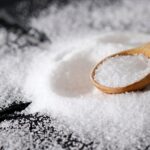
Cane sugar remains the top choice for most wine sweetening applications. It dissolves completely, adds pure sweetness without flavor interference, and provides consistent results. Most wines benefit from this neutral sweetening approach.
Alternative Sweetening Options
- Honey: Adds floral complexity but can make wine harder to clarify
- Maple Syrup: Provides unique flavor notes, works well with fruit wines
Corn Sugar: Less sweet than table sugar, requires larger quantities - Fruit Juice: Apple juice or grape juice adds flavor while sweetening
- Wine Conditioner: Pre-made non-fermentable sweetener with built-in stabilizers
Commercial Concentrates
Apple juice concentrate and other fruit concentrates work excellently for fruit wines. These products typically contain 68° Brix sugar content and add both sweetness and enhanced fruit flavors. They’re especially useful when fresh fruit isn’t available or when you want to intensify the wine’s natural character.
Wine Stabilization
The Critical Role of Potassium Sorbate
Many home winemakers make the dangerous mistake of thinking Campden tablets alone will prevent re-fermentation. While Campden tablets help with preservation, they won’t stop domesticated wine yeast from multiplying in the presence of fresh sugar.
Potassium sorbate works differently by coating yeast cell walls and preventing budding reproduction. Without the ability to multiply, the remaining yeast cells can’t create enough population to restart fermentation. Use 1/2 teaspoon per gallon for proper protection.
Sulfite Management
Add potassium metabisulfite or Campden tablets alongside potassium sorbate for complete protection. These sulfites fight oxidation and help control unwanted bacteria that might consume your added sugar. Use 1 campden tablet per gallon or 1/4 teaspoon potassium metabisulfite per gallon.
Why Proper Stabilization Matters
Without adequate stabilization, you risk carbonated wine, blown corks, or worse: exploding bottles that create a huge mess and a potential safety hazard. The combination of potassium sorbate and sulfites provides reliable protection against these disasters.
Calculating Perfect Sweetness Levels
Trial Testing Method
Always test sweetness levels on small samples before treating your entire batch. Here’s a simple approach:
- Take 375ml sample from your clear wine
- Divide into three 100ml portions
- Add different amounts of simple syrup: 2ml (1%), 4ml (2%), 6ml (3%)
- Taste each sample to determine the preferred sweetness level
- Scale up calculations for your full batch
Sweetness Level Guidelines
- Dry Wine: 0-0.4% residual sugar
- Off-Dry: 0.5-1.5% residual sugar
- Semi-Sweet: 1.5-3% residual sugar
- Dessert Wine: 3%+ residual sugar
Troubleshooting Common Problems
Re-Fermentation Issues
Signs include airlock activity, carbonation, or blown corks. This usually indicates insufficient stabilization or attempting to sweeten during active fermentation. Always ensure fermentation is completely finished and use proper stabilizer dosages.
Over-Sweetening Corrections
If you add too much sugar, you can blend with unsweetened wine from the same batch or add an acid blend to restore balance. Avoid over-sweetening by adding sugar gradually and tasting frequently. Let the wine rest between adjustments to allow the flavors to fully develop before making more changes.
Clarity Problems
Sweetened wine sometimes develops haze or sediment. Use a fining agent like bentonite or allow extended bulk aging to achieve crystal clear results before bottling. Filtering before bottling can also help maintain long-term clarity and shelf stability.
Professional Tips for Success
Timing Considerations
The best time to sweeten wine is just before bottling. Sweetening too early can complicate bulk aging and increase contamination risks. Most wines benefit from several months of aging before sweetening decisions. This allows flavors to settle, making it easier to judge how much sweetness is truly needed.
Quality Control
Always use clean, sanitized equipment when handling sweetened wine. The added sugar creates an environment that bacteria and wild yeast find attractive. Maintain proper sulfite levels throughout the process. Even a small lapse in cleanliness can lead to spoilage or off-flavors.
Storage Requirements
Store sweetened wine bottles on their sides in cool, stable temperatures. Monitor for signs of re-fermentation during the first few weeks after bottling. If you didn’t stabilize the wine with potassium sorbate or similar additives, any remaining yeast may reactivate. Regularly check corks for pressure buildup or leaks as early signs of fermentation.
Conclusion
Learning how to sweeten wine can completely transform your home winemaking experience. Whether you’re working with dry red blends, tart fruit wines, or sharp white varietals, the right sweetening method helps you strike the perfect balance of flavor, aroma, and mouthfeel. By understanding when and how to add sweetness, while also stabilizing and storing your wine properly, you can avoid common pitfalls and create a final product that’s smooth, clear, and enjoyable to share.
At US Sweeteners, we offer the high-quality sweetening ingredients winemakers trust, from cane sugar and corn syrup to fruit juice concentrates and specialty syrups. Whether you’re sweetening your first small batch or scaling up production, our bulk products deliver the consistency and purity you need. Explore our full selection of sweeteners today or contact us for expert guidance on choosing the right products for your wine.
FAQs
What can you add to wine to sweeten it?
You can add table sugar (cane sugar), honey, maple syrup, corn sugar, grape juice concentrate, apple juice concentrate, or commercial wine conditioner to sweeten wine.
How to increase the sweetness in wine?
The safest method is back sweetening. Let the wine ferment completely dry, then add simple syrup made from sugar and water along with potassium sorbate to prevent re-fermentation.
What is the best sweetener for wine?
Table sugar (cane sugar) is the best choice because it dissolves completely, adds pure sweetness without interfering flavors, and provides consistent, predictable results.
Is there a way to make wine sweeter?
Yes, you can make wine sweeter by adding sugar after fermentation is complete, but you must stabilize with potassium sorbate and sulfites to prevent dangerous re-fermentation.

Thomas is a product expert at US Sweeteners, a trusted bulk sugar and sweetener distributor serving food and beverage manufacturers across the USA. He writes about sweetener sourcing, ingredient trends, and supply chain insights for the food industry.