
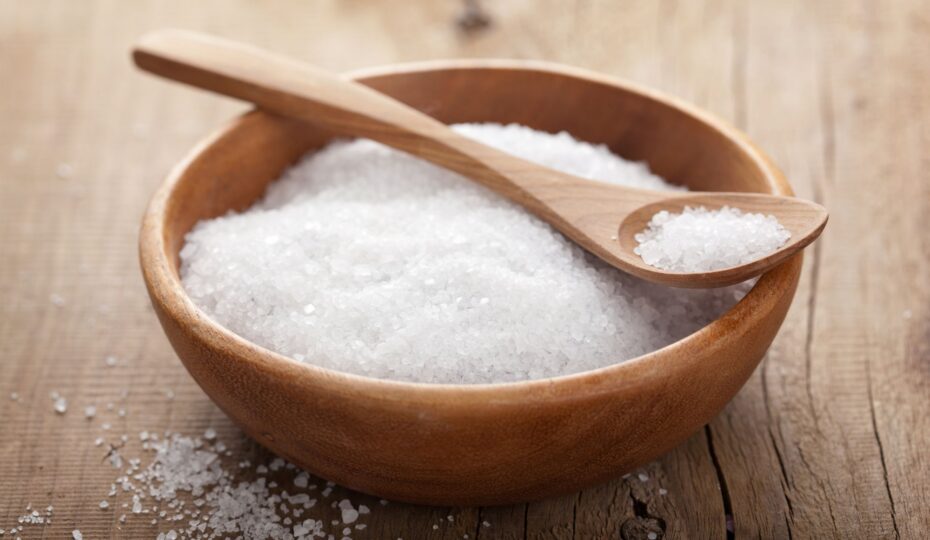
Does Sea Salt Have Iodine?
Many people think sea salt is healthier than table salt, but here’s the catch: most sea salt contains little to no iodine, an essential nutrient your thyroid needs to function properly. While 61% of Americans believe sea salt has less sodium, the real concern is what it’s missing.
If you’ve switched to Himalayan pink salt or use less salt overall, you could be unknowingly increasing your risk of iodine deficiency. This guide breaks down the differences between salt types, explains why iodine matters, and helps you make smarter choices for your health.
Does Sea Salt Have Iodine?
Most sea salt contains less than 2 micrograms of iodine per gram, while iodized salt provides 45 to 76 micrograms. That means sea salt has 20 to 40 times less iodine, making it a poor source of this essential nutrient.
To meet your daily iodine needs, you’d need just half a teaspoon of iodized salt. But with regular sea salt, you’d need 10 to 15 teaspoons—far too much sodium for one day. Unless your sea salt is specifically labeled as iodized, it’s unlikely to support your iodine intake.
Understanding Iodine: The Essential Nutrient Your Body Can’t Make
Iodine isn’t just another mineral your body needs in trace amounts – it’s absolutely critical for your thyroid hormone production. Your thyroid uses iodine to create hormones that regulate everything from your metabolism and heart rate to your brain development and nervous system function.
Why Your Body Desperately Needs Iodine
Your thyroid gland acts like your body’s metabolic control center, and iodine is its primary fuel. Without enough iodine, your thyroid can’t produce adequate amounts of thyroid hormone, leading to a cascade of health problems that affect nearly every system in your body.
The recommended daily intake varies by age and life stage:
- Adults: 150 micrograms daily
- Pregnant women: 220 micrograms daily
- Breastfeeding mothers: 290 micrograms daily
- Children 1-8 years: 90 micrograms daily
- Children 9-13 years: 120 micrograms daily
The Hidden Dangers of Iodine Deficiency
Before iodized salt became common in the 1920s, large parts of the United States known as the “goiter belt” suffered from widespread iodine deficiency. Regions like the Great Lakes, Appalachians, and Pacific Northwest had iodine-poor soil, leading to enlarged thyroids (goiters) and other health issues.
Today, iodine deficiency still affects around 2 billion people globally, according to the World Health Organization. Without enough iodine, your thyroid enlarges to compensate, your metabolism slows, and serious issues like developmental delays, fatigue, weight gain, and cognitive problems can occur.
Sea Salt vs. Table Salt
Understanding how these salts are made explains everything about their iodine content – and why the natural vs. processed debate misses the point entirely.
How Sea Salt Gets Made (And Why It Lacks Iodine)
Sea salt production is beautifully simple: seawater gets collected in shallow ponds and left to evaporate, leaving behind crystallized salt. This minimal processing preserves some trace minerals naturally found in seawater, including small amounts of magnesium, calcium, and potassium.
However, here’s what many people don’t realize: seawater itself contains very little iodine. Most of the ocean’s iodine exists in organic forms that aren’t easily incorporated into salt crystals during evaporation. The trace levels that do make it into sea salt – typically less than 2 micrograms per gram – are nowhere near enough to meet your daily iodine needs.
Different sea salt varieties from around the world show remarkably consistent results when tested for iodine content. Whether it’s Celtic sea salt from France, Himalayan pink salt from Pakistan, or Hawaiian black salt, the iodine levels remain consistently low across all natural, unfortified varieties.
Table Salt Processing: Why Iodization Makes the Difference
Table salt comes from underground salt deposits that are mined and refined into uniform crystals. During processing, most natural minerals are removed, but iodine is added to prevent deficiency. Since the 1920s, manufacturers have fortified salt with iodine compounds like potassium iodide, ensuring each gram delivers 45 to 76 micrograms of iodine depending on local regulations.
Sodium Content: Debunking the Biggest Salt Myth
Here’s where things get interesting – and where marketing has misled millions of people. The American Heart Association found that 61% of people incorrectly believe sea salt contains less sodium than table salt. The truth? Both sea salt and table salt contain approximately 40% sodium by weight.
The Crystal Size Confusion
The confusion comes from crystal size, not sodium content. Sea salt often has larger, more irregular crystals compared to table salt’s fine, uniform grains. When you measure salt by volume (like a teaspoon), fewer large sea salt crystals fit compared to tiny table salt crystals.
This means:
- 1 teaspoon table salt: ~2,300 milligrams of sodium
- 1 teaspoon coarse sea salt: ~1,800-2,000 milligrams of sodium (simply because fewer crystals fit)
- Same weight of both salts: Nearly identical sodium content
The Real Sodium Problem in Your Diet
Before stressing over the salt you sprinkle at home, consider this: Over 75% of the sodium in the average American diet comes from processed and restaurant foods, not your salt shaker. Common sources include deli meats, canned soups, bread, cheese, and takeout meals.
Most Americans consume about 3,440 milligrams of sodium daily, far exceeding the recommended limits of 1,500 to 2,300 milligrams. This means managing your sodium intake is less about the type of salt you cook with and more about avoiding heavily processed foods and reading nutrition labels.
Mineral Content Analysis: What Sea Salt Actually Contains
While sea salt falls short on iodine, it does contain other minerals that table salt lacks. Let’s break down what you’re getting when you choose sea salt over iodized salt.
Trace Minerals in Sea Salt: The Real Benefits
Sea salt naturally contains several trace minerals from seawater, though the amounts are much smaller than many people realize. A typical analysis of sea salt shows:
- Magnesium: 0.1-0.5% of total content
- Calcium: 0.1-0.3% of total content
- Potassium: 0.1-0.2% of total content
- Iron, zinc, manganese: Minimal trace amounts
To match the magnesium in a serving of spinach or almonds, you would need to eat 100 grams of sea salt, about 6 tablespoons, which would also deliver a dangerous 40,000 milligrams of sodium. While sea salt contains trace minerals, the amounts are too small to benefit your nutrition compared to whole foods like greens, nuts, and dairy.
Special Considerations: When Iodine Needs Change
Certain life stages and health conditions significantly increase your iodine requirements, making the choice between sea salt and iodized salt even more critical.
Pregnancy and Breastfeeding
Pregnant and breastfeeding women need nearly twice as much iodine as other adults to support fetal brain development and ensure enough iodine passes through breast milk. A deficiency during this time can increase the risk of miscarriage, thyroid problems, and developmental delays. While most prenatal vitamins contain 150 micrograms of iodine, that may not be enough if you’re relying on sea salt and eating few iodine-rich foods. Health experts recommend an additional daily supplement to meet these higher needs.
Children and Cognitive Development
Children’s developing brains are especially sensitive to iodine deficiency, which can affect IQ, focus, energy levels, and academic performance. Since the brain and nervous system continue to mature throughout childhood, consistent iodine intake is essential. Signs of deficiency may include difficulty concentrating, fatigue, slowed growth, and an enlarged thyroid.
Conclusion
Sea salt may offer a natural appeal and trace minerals, but it simply doesn’t provide the iodine your body needs to stay healthy. Unless it is iodized, sea salt contains far less iodine than table salt, making it an unreliable source for meeting daily requirements. For most people, especially pregnant women, children, and those with limited access to iodine-rich foods, iodized salt remains the most practical and effective way to prevent deficiency and support long-term thyroid and brain health.
Looking to source high-quality iodized or specialty salts for your food business or manufacturing needs? At US Sweeteners, we supply bulk salt and sweetener products trusted by food producers nationwide. Contact us today to find the right ingredients for your operation and get fast, reliable delivery at competitive prices.
FAQs
Do I need iodine if I use sea salt?
Yes, you absolutely need iodine from other sources if you use sea salt, since it contains virtually no iodine. Get it from seafood, dairy products, eggs, or supplements to meet your daily 150 microgram requirement.
Does real sea salt have iodine?
Real sea salt contains only trace amounts of iodine (less than 2 micrograms per gram) – not enough to meet your daily needs. Only artificially fortified “iodized sea salt” contains meaningful iodine amounts.
Which salt has the highest iodine?
Iodized table salt has the highest iodine content at 45-76 micrograms per gram – about 20-40 times more than any natural sea salt, Himalayan pink salt, or kosher salt.
What is the healthiest salt to use?
If you don’t eat seafood or dairy regularly, iodized table salt is healthiest to prevent iodine deficiency. If you get plenty of iodine from other foods, any salt works since they all contain the same sodium content.

Thomas is a product expert at US Sweeteners, a trusted bulk sugar and sweetener distributor serving food and beverage manufacturers across the USA. He writes about sweetener sourcing, ingredient trends, and supply chain insights for the food industry.