Last Updated: May 5, 2026
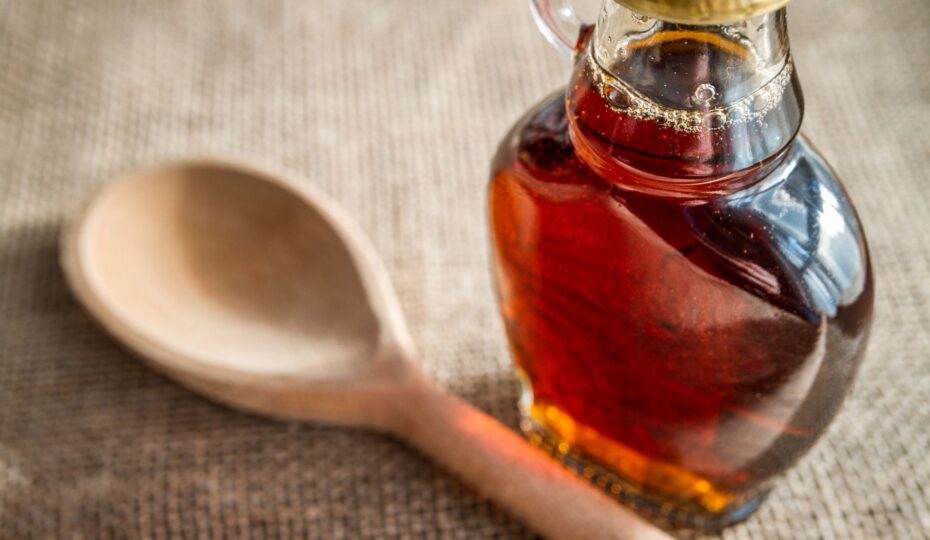
Demerara syrup is a sugar syrup made by dissolving demerara sugar, a less refined cane sugar, in water. It has a deeper flavor than regular simple syrup, with notes of caramel, molasses, and a warm toasty sweetness. Because demerara sugar retains some natural molasses, the syrup adds more character than refined white sugar.It is often chosen when sweetness needs to complement, not overpower, other ingredients.
This guide is written for bartenders, café operators, and beverage professionals who want a more flavorful sweetener for cocktails and coffee. It is also useful for home users exploring better alternatives to simple syrup. Demerara syrup is commonly used in classic cocktails, iced coffee, and specialty drinks where balance matters. In many beverage programs, it replaces simple syrup to create more consistent results. You will learn how it is made, how to use it, and how it fits into both small-batch and commercial settings.
The Origins and History of Demerara
Demerara syrup begins with demerara sugar, a partially refined cane sugar named after the Demerara region in Guyana, South America, where it was originally produced. Though the name has stuck, most demerara sugar today comes from other countries, with significant production in Mauritius and Malawi.
What makes demerara sugar special is its production process. Unlike white sugar, which undergoes extensive processing to remove all molasses content, demerara sugar is less processed, allowing it to retain some of its natural molasses. This minimal processing is what gives demerara its characteristic large, crunchy amber crystals and distinctive warm flavor profile. The journey from colonial-era production to modern sourcing reflects both historical trade patterns and the growing appreciation for less refined, more characterful sweeteners in contemporary cuisine.
Sugar Refinement: From Cane to Crystal
To fully understand what makes demerara syrup unique, it helps to understand how sugar goes from plant to pantry. The process of refining sugarcane involves several steps:
- Harvesting and washing: Sugarcane stalks are cut, collected, and thoroughly cleaned.
- Crushing and extraction: The cane is crushed to extract the sweet juice from the fibrous stalks.
- Clarification: The juice undergoes chemical treatment to remove impurities and plant material.
- Evaporation: The clarified juice is heated to concentrate the sugar content by evaporating excess water.
- Crystallization: As the concentration increases, sugar crystals begin to form.
- Centrifugation: The crystals are separated from the remaining liquid (molasses) using centrifugal force.
At this stage, raw cane sugar is produced. However, further refinement determines the final type of sugar. What sets demerara apart is that it is a less refined cane sugar, meaning it undergoes minimal processing compared to white sugar. The crystals are only lightly washed, which allows them to retain some natural molasses and mineral content. This gives demerara its rich flavor and amber color. Because of this, demerara syrup adds more depth than regular simple syrup, which is why it is often used in cocktails and coffee.
What Makes Demerara Sugar Special?
Demerara sugar stands out with its distinctive physical and flavor characteristics:
- Appearance: Large, crunchy amber crystals with a sparkly appearance
- Texture: Coarser than regular granulated sugar with a noticeable crunch
- Flavor profile: Notes of caramel, toffee, and light molasses
- Color: Golden to light brown, reflecting its molasses content
These characteristics come from its minimal processing, which allows it to retain some natural molasses. Compared to refined white sugar, this gives demerara a deeper and more rounded sweetness. When used in syrup form, this translates into a sweetener that adds flavor instead of just sweetness, which is why it is commonly used in cocktails and coffee, where balance and subtle differences matter.
Creating Perfect Demerara Syrup: Basic Recipe
At its most basic, demerara syrup is simply a mixture of demerara sugar and water. Here’s a standard recipe to get you started:
Basic Demerara Syrup (1:1 ratio)
Ingredients:
- 1 cup demerara sugar
- 1 cup water
Instructions:
- Combine sugar and water in a small saucepan over medium heat.
- Stir gently until all sugar crystals have completely dissolved.
- Remove from heat before the mixture comes to a boil.
- Let the syrup cool to room temperature.
- Transfer to a clean glass bottle or jar with an airtight lid.
- Store in the refrigerator.
This 1:1 ratio produces a syrup with a medium viscosity, perfect for cocktails and coffee drinks. It mixes easily into cold beverages and works well when you want a lighter sweetness without adding too much body.
Rich Demerara Syrup Recipe (2:1 ratio)
Ingredients:
- 2 cups demerara sugar
- 1 cup water
Instructions: Follow the same process as above.
This higher sugar concentration (2:1 ratio) increases the syrup’s Brix level, reducing available water activity (aw). Lower water activity slows microbial growth, which is why 2:1 syrups are more stable in commercial settings. However, higher viscosity can affect pourability and dosing accuracy in high-volume bar operations.
Storage and Shelf Life
Properly stored, demerara syrup typically lasts about 3–4 weeks in the refrigerator. Shelf life depends on sugar concentration and exposure to contaminants. Higher concentration syrups (2:1 ratio) last longer because they contain less free water, which helps slow spoilage. For commercial settings, this is important when planning batch sizes and storage cycles.
To maximize shelf life:
- Use a clean, airtight container (glass is preferable)
- Store in the refrigerator at all times
- Consider adding a small splash of high-proof neutral spirit (like vodka or Everclear) as a preservative
- Watch for any cloudiness, off-smells, or mold as signs of spoilage
How Demerara Syrup Is Used in Drinks and Food
Demerara syrup is used as a flavorful liquid sweetener in both drinks and food. Because it retains some natural molasses, it adds not just sweetness but also a light molasses and caramel flavor. This makes it different from regular simple syrup, which is mainly used for sweetness alone.
In Beverages
Demerara syrup is widely used in beverages because it adds both sweetness and a light caramel flavor from its minimally refined cane sugar base. Compared to regular simple syrup, it creates a richer taste and slightly fuller body, which helps improve balance in drinks. Because it is already in liquid form, it blends instantly without leaving any grainy texture, making it easy to use in both hot and cold beverages.
Coffee
Demerara syrup works well in coffee and tea, especially in iced coffee, cold brew, and espresso-based drinks. Its toffee and caramel notes complement the natural bitterness of coffee without overpowering it. This makes it a good option when you want to add sweetness while keeping the overall flavor balanced.
Cocktails
In cocktails, demerara syrup is commonly used with aged spirits like bourbon and rum because its flavor matches the notes developed during barrel aging. It is often found in classic drinks like Old Fashioneds, Sazeracs, Whiskey Sours, and daiquiris, where it helps bring out deeper toffee and caramel flavors.
Its stronger profile also works well in tiki and tropical drinks like Mai Tais and Jungle Birds, where it can stand up to bold ingredients. In bar settings, it is preferred because it mixes quickly and helps maintain consistency across drinks.
Other Uses
Demerara syrup can also be used in non-alcoholic drinks, where it adds more depth than regular sugar. It works well with soda water, citrus-based drinks, and tea, helping create a more rounded and balanced flavor.
In Food
Demerara syrup is also used in food as a rich, caramel-toned sweetener that adds more depth than regular sugar. Because it is made from less refined cane sugar, it carries a light molasses flavor that works well in both sweet and savory recipes. Its liquid form also makes it easy to mix into dishes or use as a finishing ingredient.
- Drizzled over pancakes, waffles, French toast, oatmeal, or yogurt
- Used as a topping for desserts like vanilla ice cream
- Added to baked goods such as cookies, cakes, and quick breads
- Used in glazes for meats, poultry, or fish
- Mixed into sauces or soups to add subtle sweetness and depth
It works especially well with warm flavors like cinnamon, apple, and vanilla. It can also be used as an alternative to maple syrup when you want a deeper, more caramel-forward sweetness instead of a lighter, more delicate flavor. Compared to standard sugar syrup, it provides a more complex taste and a smoother texture, which helps improve both flavor and mouthfeel.
Health Considerations
Demerara syrup is still a sugar-based sweetener, so it should be used in moderation. While it is made from less refined cane sugar and retains small amounts of minerals like calcium, magnesium, and potassium, these amounts are minimal and do not significantly change its overall nutritional value.
The main difference is in flavor rather than health. Because demerara syrup has a richer, more complex taste, it may allow you to use less in some recipes compared to regular simple syrup. However, it still has a similar calorie content to other sugar syrups.
Where to Find Demerara Sugar
If you’re planning to make demerara syrup, the first step is finding the right sugar. Demerara sugar is widely available and can usually be found in both physical stores and online.
You can typically find it in:
- Large grocery stores, often in the baking or natural foods section
- Specialty and gourmet food shops
- Natural or health-focused stores
- Online marketplaces that carry baking and beverage ingredients
Demerara sugar can be purchased at most large grocery stores and specialty grocery retailers, often found in the baking or spice section. Demerara sugar is often sourced from Mauritius in Africa, although it originally comes from the British colony of Demerara, now known as Guyana.
Conclusion
Demerara syrup offers a simple yet effective way to elevate your drinks and dishes with its distinctive warm, toasty sweetness. This versatile sweetener has earned its place in professional bars and kitchens because it adds complexity and depth that ordinary simple syrup simply can’t match. Whether crafting cocktails, enhancing coffee, or seeking a more flavorful alternative for cooking, demerara syrup deserves a place in your culinary repertoire.
At US Sweeteners, we provide premium-quality demerara sugar perfect for creating exceptional syrups at home. Contact us today to explore our selection of professional-grade sweeteners and take your culinary creations to the next level.
FAQs
Is demerara syrup the same as simple syrup?
No, demerara syrup is not the same as simple syrup – both are made with similar water-to-sugar ratios, but demerara syrup uses partially refined demerara sugar instead of white sugar, resulting in a richer flavor profile with notes of caramel and toffee.
What is a substitute for demerara syrup?
The best substitute for demerara syrup is turbinado sugar syrup, but you could also use a light brown sugar syrup or even a simple syrup with a small amount of molasses added for flavor.
Is demerara the same as molasses?
No, demerara is a type of partially refined cane sugar that contains some natural molasses, while molasses itself is the thick, dark syrup byproduct from sugar refining.
What flavor is demerara syrup?
Demerara syrup has a distinctive warm flavor profile featuring notes of caramel, toffee, and subtle hints of molasses with a rich, complex sweetness that’s more dimensional than plain simple syrup.

Thomas is a product expert at US Sweeteners, a trusted bulk sugar and sweetener distributor serving food and beverage manufacturers across the USA. He writes about sweetener sourcing, ingredient trends, and supply chain insights for the food industry.