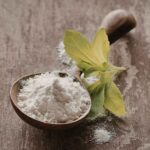

Maltodextrin is a common ingredient in many foods and beverages. It is a plant-based carbohydrate used to improve texture, consistency, and shelf life. This white, starchy powder is often added to sauces, baked goods, sports drinks, and snack foods. The Food and Drug Administration (FDA) classifies maltodextrin as generally recognized as safe (GRAS), meaning it can be used in food production without posing health risks when consumed in normal amounts. Still, many consumers want to know how this additive is made and what it means for their diet.
At US Sweeteners, we supply bulk maltodextrin and other food-grade ingredients to manufacturers, distributors, and food processors throughout the United States. With over 30 years of experience in logistics and ingredient supply, we help businesses maintain a steady inventory and deliver products efficiently. Our nationwide distribution network, flexible packaging options, and quality assurance make us a trusted partner for food and beverage companies looking for reliable ingredients.
What Is Maltodextrin?
Maltodextrin is a carbohydrate made by breaking down starch from plants such as corn, potato, rice, tapioca, or wheat. The process creates a fine, neutral-tasting, water-soluble powder that blends easily with other ingredients. It provides quick energy and helps maintain a smooth, uniform consistency in many foods. Because it dissolves well and has little flavor, maltodextrin can be added without changing how a product tastes.
It is classified by a Dextrose Equivalent (DE) value, which measures the degree of starch breakdown. Lower DE maltodextrin is less sweet and digests more slowly, while higher DE versions are sweeter and break down faster in the body. This flexibility allows manufacturers to select the right maltodextrin for specific product types, from thick sauces to powdered beverages.
How Maltodextrin Is Made?
The process of making maltodextrin begins with plant starch. The starch is cooked, then treated with water and enzymes in a method called hydrolysis. Hydrolysis breaks down long starch molecules into smaller carbohydrate chains, creating a uniform powder that has a neutral taste. Once the mixture reaches the desired DE level, it is filtered, purified, and spray-dried into a fine powder that dissolves easily in water.
According to a study, digestible maltodextrins are low-sweet saccharide polymers consisting of D-glucose units linked primarily linearly with α-1,4 bonds. These ingredients are derived by hydrolysis from crops naturally rich in starch and are used as food ingredients.
The result is a stable, shelf-friendly ingredient with multiple uses in the food industry. Depending on production needs, maltodextrin can be made from non-GMO or organic starch sources. Manufacturers also choose between low-DE maltodextrin for texture and thickness, or higher-DE grades for sweetness and rapid energy absorption. This adaptability makes maltodextrin valuable in both large-scale food manufacturing and specialized nutrition products.
Common Uses of Maltodextrin
Maltodextrin serves many purposes in food and beverage production. It acts as a bulking agent, stabilizer, and thickener, improving consistency and maintaining structure in finished products. Common foods that contain maltodextrin include:
- Baked goods and cereals
- Salad dressings, sauces, and condiments
- Frozen desserts and yogurt
- Instant soups and powdered mixes
- Sports drinks and nutritional supplements
In beverages, maltodextrin adds smoothness without excessive sweetness. It helps manufacturers balance flavor and mouthfeel while extending shelf life. Maltodextrin is also used as a spray-drying carrier in powders, keeping products like flavorings, coffee creamers, and drink mixes from clumping or absorbing too much moisture.
Outside food production, maltodextrin appears in pharmaceuticals and cosmetics as a binding and stabilizing agent. Its ability to absorb moisture and mix easily makes it suitable for capsules, powders, and topical formulations.
Safety and Regulation
Maltodextrin is recognized as safe for use in foods and beverages. It has been reviewed by national and international food safety agencies and approved for human consumption. Regulatory bodies confirm that maltodextrin does not need a specific daily limit because it poses minimal risk when consumed in regular amounts.
Maltodextrin is also gluten-free, even when produced from wheat. During the hydrolysis process, gluten proteins are removed, leaving only carbohydrates. This makes maltodextrin suitable for individuals with celiac disease or gluten sensitivity. Most maltodextrin in the United States is made from corn starch, which is naturally gluten-free.
Manufacturers value maltodextrin for its consistent quality and safety record. When sourced from reliable suppliers, it offers purity and uniformity across food batches, helping brands maintain trusted standards.
Health Considerations
While maltodextrin is safe, its high glycemic index (GI) means it can raise blood sugar levels quickly. A high GI indicates that carbohydrates are absorbed rapidly, providing fast energy but sometimes leading to energy drops afterward. People with diabetes or those watching their carbohydrate intake may want to moderate their consumption.
For most individuals, maltodextrin is not harmful when eaten in normal amounts. It provides a quick source of carbohydrates that the body can use for energy. Balancing maltodextrin with other nutrients, such as fiber and protein, helps keep blood sugar levels steady. Moderation is the key to maintaining a healthy diet that includes both natural and processed carbohydrate sources.
Digestive and Metabolic Effects
Maltodextrin breaks down easily into glucose, which the body uses for fuel. This quick digestion makes it helpful for athletes or those needing fast energy replenishment. It can also be used in medical nutrition for patients who require easy-to-digest carbohydrates.
Some people may notice minor digestive discomfort when consuming large amounts of maltodextrin, such as bloating or gas. These effects often occur when maltodextrin is combined with other processed ingredients or consumed in high quantities. Limiting intake and pairing it with whole foods can help support smoother digestion and better nutrient balance.
Benefits of Maltodextrin
Maltodextrin offers several advantages in food production and nutrition. It helps maintain product stability, enhances texture, and extends shelf life. It binds ingredients together, improves the body of sauces and drinks, and prevents separation. These qualities make it one of the most reliable additives for food manufacturers.
For consumers, maltodextrin provides a quick source of energy. It is especially helpful for athletes or active individuals who need to restore glycogen levels after exercise. In medical nutrition, maltodextrin is included in drinks and formulas designed for people who have difficulty digesting complex carbohydrates. A special form called resistant maltodextrin behaves like dietary fiber, supporting healthy digestion and gut function.
Alternatives to Maltodextrin
Manufacturers seeking to reduce sugar content or use more natural ingredients have several alternatives to maltodextrin. Some options provide similar texture, sweetness, or binding ability while offering different nutritional benefits.
Thickening and binding alternatives:
- Guar gum
- Xanthan gum
- Pectin
- Arrowroot starch
- Tapioca starch
Sweetening and bulking alternatives:
- Stevia extract
- Monk fruit extract
- Erythritol
- Xylitol
- Allulose
- Inulin (chicory root fiber)
These substitutes can meet specific formulation goals, such as reducing calories or achieving a “clean label.” Many companies blend these ingredients with maltodextrin to balance cost, performance, and consumer appeal.
Using Maltodextrin Responsibly
The best way to use maltodextrin is to apply it where it adds value without overuse. Manufacturers often choose low-DE maltodextrin to provide texture, thickness, or mild sweetness with minimal effect on blood sugar. It can also be combined with protein or fiber to create balanced formulations that meet health-focused market demands.
Transparency on product labels helps customers make informed decisions. Listing maltodextrin’s source, DE value, and packaging details allows businesses to maintain ingredient traceability. Choosing food-grade, non-GMO, or organic-certified maltodextrin supports consumer trust and brand reliability.
Is Maltodextrin Safe to Eat?
Maltodextrin is considered safe for most people when used in moderation. It has a long history of use in food production and is valued for its consistent quality and performance. It provides energy, improves texture, and enhances product stability. When part of a balanced diet, it does not cause harm or long-term side effects.
For people managing blood sugar levels, choosing low-DE or resistant maltodextrin is a good option. These forms digest more slowly and have a lower impact on glucose levels. As with all carbohydrates, moderation helps maintain overall wellness while still enjoying the benefits maltodextrin brings to foods and beverages.
Why Choose US Sweeteners for Bulk Maltodextrin
At US Sweeteners, we specialize in providing dependable, food-grade maltodextrin for commercial and industrial applications. Our products are available in multiple grades and packaging options, including 25 kg bags, 50 lb sacks, and supersacks. We work closely with manufacturers to supply high-quality ingredients that meet production requirements and compliance standards.
If you’re looking for a reliable supplier of Maltodextrin Bulk, we offer consistent quality and nationwide distribution at US Sweeteners. Our maltodextrin products are sourced from trusted starch-based materials and produced to meet strict food-grade standards. Whether you manufacture beverages, baked goods, or nutritional products, we provide custom packaging and logistics solutions to keep your production running smoothly.
Conclusion
Maltodextrin is a safe, effective ingredient that plays an important role in food and beverage manufacturing. It helps maintain product consistency, provides quick energy, and improves texture without altering taste. For most people, moderate use of maltodextrin as part of a balanced diet does not present health concerns. Choosing the right form and amount helps manufacturers and consumers achieve both quality and nutrition goals.
At US Sweeteners, we supply high-quality maltodextrin and other food-grade ingredients that support smooth operations across the food industry. Our reliable service, flexible packaging, and nationwide logistics make it easy for businesses to get the ingredients they need on time. For bulk orders, product details, or supply support, contact us through our website.
FAQs
Is maltodextrin safe for people with diabetes?
Yes, but it should be used in limited amounts because it can raise blood sugar levels quickly. Choosing a low-DE maltodextrin helps reduce this effect.
Does maltodextrin contain gluten?
No. Maltodextrin is gluten-free, even when it is made from wheat starch, because gluten proteins are removed during processing.
What is resistant maltodextrin?
Resistant maltodextrin acts like a dietary fiber and supports digestive health. It is absorbed slowly and has less impact on blood sugar.
What are the alternatives to maltodextrin?
Alternatives include guar gum, stevia, monk fruit extract, erythritol, and inulin. These options provide texture or sweetness without adding sugar.