
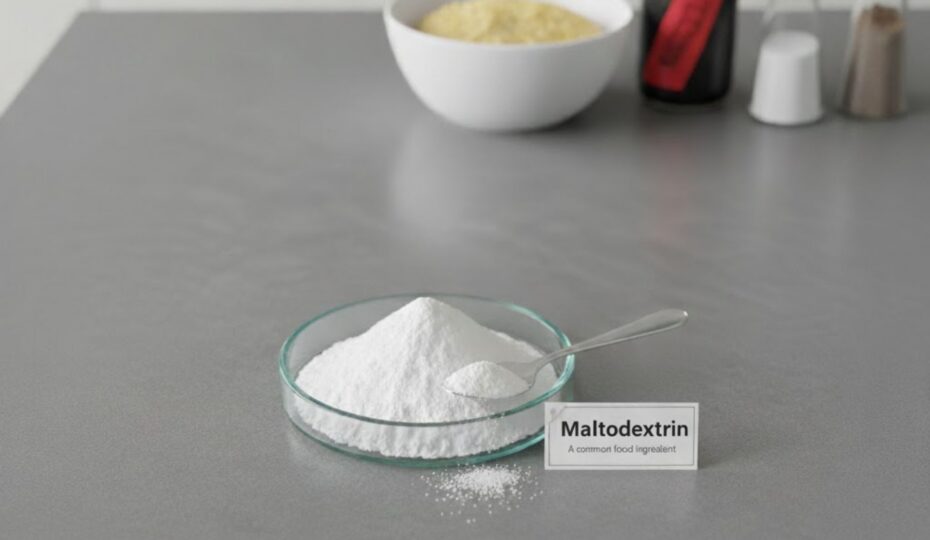
What Is Maltodextrin?
What is maltodextrin is a common question because this ingredient appears on many labels. Maltodextrin is a carbohydrate food additive made from plant starches such as corn or potato starch. In food processing, it is a neutral white powder that does not always taste sweet, yet it supports texture, flow, and stability in packaged foods and processed foods.
At US Sweeteners, we supply bulk maltodextrin and related food starch ingredients to U.S. manufacturers. We provide reliable inventory across numerous products, custom packaging, and COAs for compliance. We serve distributors, wholesalers, beverage producers, bakeries, and brands in dairy, nutrition, and flavor systems.
How Maltodextrin is Made
Maltodextrin comes from starch hydrolysis. Producers start with food starch sourced from corn, potato starch, rice, or wheat and use partial hydrolysis to break large starch molecules into short chains of glucose units; the liquid is then filtered, purified, and spray-dried into a free-flowing powder form that blends easily and disperses cleanly in water. This process yields consistent performance across many food products.
There are two families used in food science. Digestible maltodextrins are absorbed quickly and behave like other carbohydrates used for quick energy, while resistant maltodextrin (also called digestion-resistant maltodextrin) functions as dietary fiber. Resistant versions travel to the small intestine and pass to the colon with limited digestion and can support beneficial bacteria and beneficial gut bacteria, which is why some brands add them to boost fiber with minimal change to taste or body.
Chemistry and Function of Maltodextrin
On a molecular level, maltodextrin is built from glucose molecules arranged as short chains; this chain length shifts solubility, viscosity, and heat stability. Shorter chains tend to be more soluble and closer to sweetness, while longer chains bring more body with little sweetness, helping replace sugar without extra flavor in many food products. These traits explain why developers rely on maltodextrin across beverage, bakery, and savory systems.
Because of this structure, maltodextrin is flexible in food chemistry. It serves as a bulking agent, carrier, and anticaking agent, and it helps protect shelf life by improving moisture handling and flow. It also supports freeze–thaw resilience in dairy products, stabilizes salad dressings and sauces, and improves handling in dry blends with artificial sweeteners and sugar alcohols to dial in nutritional value and texture.
Where Can You See Maltodextrin in Labels
You will find maltodextrin in foods containing this ingredient, such as instant desserts, soups, bakery mixes, coatings, dairy products, infant formula, and dietetic products. It also appears in sports drinks, energy drinks, and maltodextrin supplements because it dissolves fast and delivers quick energy during training or recovery programs. Outside of retail food, maltodextrin also appears in livestock feed and other systems that benefit from flow aids or carriers.
In blended sweeteners and flavors, maltodextrin moderates sweetness, supports dispersion, and helps carry volatiles, which is why it often shows up with artificial sweeteners in retail and B2B systems. Many seasoning blends and beverage bases include maltodextrin because it disperses well and does not taste sweet in most use levels. You can verify presence on the ingredient list under “maltodextrin” or as part of compound blends containing maltodextrin.
Nutrition Basics and Glycemic in Maltodextrin
Each gram of maltodextrin provides four calories counted under carbohydrates on the Nutrition Facts label. Because digestible types break down quickly into glucose molecules, many athletes use them as a quick source of energy for training, gels, or hydration mixes designed to support glycogen stores; this practice appears widely in sports medicine fueling strategies. For everyday eating patterns, maltodextrin is one ingredient among many that contribute energy without adding micronutrients.
Digestible maltodextrin has a relatively high glycemic index, which can affect blood sugar and blood sugar levels. This matters for people managing insulin resistance or avoiding weight gain from large quantities of refined carbohydrates. Balancing total nutrition with protein, fiber, and whole foods helps support gut health and stable energy through the day.
Digestible Maltodextrin vs Resistant Maltodextrin
Digestible maltodextrins are short chains of glucose made from plant food starch through starch hydrolysis. They are absorbed in the small intestine, provide four calories per gram, and can raise blood sugar levels like other carbohydrates. In formulas, they function mainly as a neutral body and a bulking agent without adding much sweetness.
Resistant maltodextrin (also called digestion-resistant maltodextrin) is processed to resist digestion and is classified as a dietary fiber. It passes through the small intestine largely intact and is fermented by gut bacteria, which can support gut health and beneficial bacteria. It contributes little to calories or glycemic index and is often used to add fiber with minimal impact on taste or texture.
Safety, Labeling, and Gluten in Maltodextrin
According to research, maltodextrin is made from starches such as corn, potato, rice, or wheat and is considered gluten-free; in the U.S., it’s usually corn-derived, and even when sourced from wheat, the processing removes gluten to levels that meet FDA gluten-free rules.
For people with celiac disease, processing typically removes protein to regulatory thresholds, and many suppliers offer testing statements. A small number of users may report GI discomfort or allergic reactions, and transparent labels help resolve questions quickly. Clear sourcing documents and lot-level COAs help quality teams respond to buyers and regulators.
DE Ranges and Uses of Maltodextrin
DE (dextrose equivalent) helps match maltodextrin to an application. Lower DE brings more body, thicker solutions, and higher heat stability with little to no sweetness, which fits bakery coatings, soup bases, and roles where you need a reliable bulking agent that will not add flavor or break under heat. Mid-range DE balances viscosity and dispersibility for sauces, salad dressings, seasonings, and dry blends where smooth pour, controlled thickness, and easy mixing matter, while higher DE is more soluble with a cleaner finish and slightly more perceived sweetness for beverages, instant mixes, and as a carrier for flavors and actives.
When selecting a DE band, start with processing needs such as shear, heat, and hold time, and the sensory target, such as body versus light finish. Choose lower DE when you need structure without sweetness, mid-range for stable emulsions with manageable viscosity, and higher DE for fast dissolution in drinks and instant systems, then confirm fit with supplier specs, pilot trials, and your plant’s fill and blending conditions. This approach helps R&D and purchasing align on a grade that meets both processing and label goals.
Alternatives When You Are Reformulating Maltodextrin
If you want fiber addition with minimal sweetness, resistant maltodextrin is an option that behaves differently from digestible versions and may support gut health while keeping process steps simple. If you need viscosity or gel structure with fewer calories from carbs, hydrocolloids such as guar gum, xanthan gum, and pectin are common tools for texture and stability. These systems can also help when a product requires freeze–thaw stability or heat hold.
If you are looking for a direct path from trial to scale, we offer maltodextrin and resistant maltodextrin in bulk with application-ready documentation. Visit Maltodextrin Bulk to line up samples, COAs, and pricing; if you’d like to bundle with complementary starches or set private-label packaging, we can configure packs and timelines around your run sizes.
For sweetness control and calorie targets, sugar alcohols like erythritol or xylitol can offer low-calorie or reduced-calorie approaches. These can be blended with artificial sweeteners to reach taste and cost goals, though tolerance and sensory notes vary by product and dose. Choose systems that fit your processing limits, sensory targets, and price points.
Sports Use of Maltodextrin
Many performance brands use digestible maltodextrin for quick energy during long sessions because it dissolves fast and is easy to formulate to target carb delivery rates. In use cases for sports drinks, gels, and maltodextrin supplements, design teams often aim for steady absorption and palatable taste while supporting glycogen stores and hydration. These systems frequently combine maltodextrin with other carbohydrates to fine-tune osmolality and flavor.
Developers compare carbohydrate and sweetener systems to refine flavor, mouthfeel, and label claims. They also track GI comfort to fit sports medicine guidance and adjust blend ratios to meet different training blocks or consumer profiles while keeping nutritional value and cost in balance. Clear labeling helps users monitor blood sugar responses and select products that match their needs.
Conclusion
Maltodextrin is a practical food additive that helps many food products meet texture, stability, and handling goals across packaged foods and beverage systems. It blends easily, protects shelf life, and processes reliably across mixes and ready-to-drink applications. Digestible maltodextrin supports quick source energy in endurance formats, while resistant maltodextrin contributes dietary fiber that can support gut health and beneficial bacteria; teams can also evaluate sugar alcohols, guar gum, and other fibers when reformulating or changing cost and label targets. Care with blood sugar management, GI tolerance, and label accuracy keeps products aligned with user needs.
At US Sweeteners, we supply bulk maltodextrin grades, resistant fibers, and complementary starch systems with multi-warehouse coverage and custom packaging. We support consistent inventory, COAs, and logistics for national distribution. For specs, samples, or pricing aligned to your application, contact us to discuss fit, lead times, and documentation.
FAQs
Is maltodextrin good or bad for you?
Maltodextrin is safe for general use and supports processing; people tracking blood sugar should monitor intake because digestible types have a higher glycemic index.
What is another name for maltodextrin?
Standard products list as “maltodextrin,” while fiber forms appear as resistant maltodextrin, “resistant dextrin,” or “soluble corn fiber.”
Does maltodextrin have gluten?
It can be made from wheat, but processing removes protein; brands still handle the allergen declaration, and people with celiac disease should review supplier documentation.
Is maltodextrin like aspartame?
No. Maltodextrin is a carbohydrate bulking agent, while aspartame is a high-intensity sweetener; they serve different functions in formulas.

Thomas is a product expert at US Sweeteners, a trusted bulk sugar and sweetener distributor serving food and beverage manufacturers across the USA. He writes about sweetener sourcing, ingredient trends, and supply chain insights for the food industry.