Sugar Sourcing: Best Practices for Food Manufacturers
Sugar sourcing affects how reliably you hit specs, meet demand, and keep risk low. Buyers weigh origin, certifications, mills, suppliers, and verification steps while watching price, quality, and lead times. A clear process for sugar sourcing helps your company manage the sugar supply chain from farms to plants with transparency and control.
At US Sweeteners, we supply bulk sugar for manufacturers across the United States with a focus on consistent quality, fast delivery, and documentation readiness. Our service covers cane sugar and beet options, liquid and dry formats, custom packaging, private labeling, and multi-warehouse distribution that supports national operations.
What Buyers Need to Know
Food manufacturers want supply security, consistent sugar production quality, and clean documentation. A practical sugar sourcing program brings together suppliers, growers, mills, and internal teams to manage potential risks in the sugar industry while meeting customer and regulatory needs. The program also covers responsible sourcing so buyers can verify labor conditions, human rights safeguards, soil health practices, land use controls, and greenhouse gas emissions data where needed.
A good program is simple on paper and disciplined in practice. Set a policy aligned to your stakeholders and customers, list accepted certifications and audit types, define verification evidence, and map the sugar supply chain one tier at a time. Then implement corrective actions, track improvement, and refresh the plan each year as demand and consumption shift.
The Sugar Supply Chain End to End
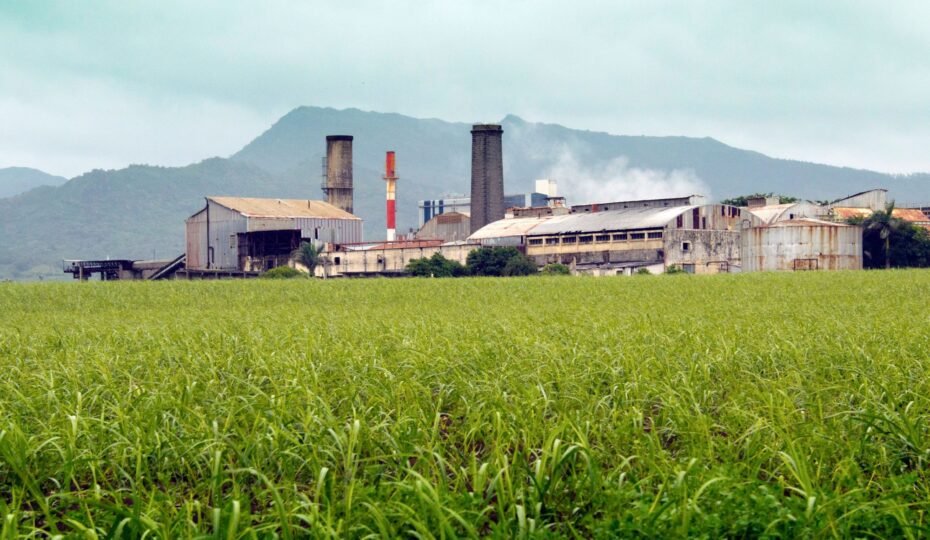
Sugar starts at farms that grow sugarcane and sugar beets. Cane goes to mills near the fields, then into refineries and distribution hubs; beets follow a different flow but meet the same core checkpoints before delivery to plants. Producers, growers, and suppliers move sugar through storage, transport, and operations steps that must protect quality and lot identity for later verification. Local communities near farms and mills depend on steady employment, safe labor conditions, and economic development, especially in South America and other origin regions.
Traceability links each stage of the supply chain so a company can identify the origin and address issues. In recent years, buyers have expanded audit depth and document control to improve responsible sourcing outcomes. This includes stronger data from suppliers, more complete resources from certification bodies, and clearer audit close-out reports to verify that actions reach workers and communities.
Cane vs Beet for QA and Production
Sugar cane and sugar beets both produce refined sugar, but agronomy, processing, and performance can differ. Cane sugar can offer consistent flavor perception and color handling across many applications, while beet sugar can carry different behavior in certain bakery or confectionery settings. Teams should test flowability, solubility, color, ash, and microbial specs against plant needs, then lock final specs in vendor contracts and quality manuals.
From a sustainability angle, cane and beet present different profiles on land use, water, soil health, and greenhouse gas emissions. Farm practices, irrigation, and mill technology shape outcomes more than a single ingredient label. Buyers can request practical evidence of improvement, not claims alone, so the sourcing plan delivers results without slowing operations.
Responsible Sourcing Frameworks and Labels
Responsible sourcing gives buyers a shared language with suppliers and farmers. Three signals recur in sugar sourcing conversations: Bonsucro certification, Fairtrade products, and USDA Organic. Each covers a distinct scope with different strengths for producers and consumers.
| Standard | Core Focus | Typical Use in Sugar Sourcing |
| Bonsucro certification | Field and mill performance, human rights, environmental controls, and chain of custody | Mass balance or segregation requests from brands; supplier verification and audit alignment |
| Fairtrade | Price floors, premiums for smallholder farmers, labor conditions, and social impact | Programs that support communities and ethical practices while improving income at origin |
| USDA Organic | Farm inputs and production practices for organic sugar | Organic labeling claims for consumers and retailer programs |
These certifications do not replace sound vendor management. Buyers still need a supplier code, clear audit acceptance (for example, SMETA), document control, and corrective action plans. The best programs use standards as building blocks, not as a substitute for field-level verification and ongoing improvement.
Social Responsibility and Compliance
A responsible sourcing program addresses human rights, labor conditions, and exploitation risks head-on. This includes zero tolerance for child labor and forced labor, fair pay for workers, safe conditions, and access to grievance channels. Buyers can demonstrate commitment by publishing a supplier code, flowing requirements down to sub-suppliers, and setting audit cadence and corrective action timelines that actually close gaps across the sugar supply chain.
Support for local communities and smallholder farmers also matters. Training, tools, and investing in on-farm practices raise yields and stabilize income for farmers and growers. When buyers partner with suppliers on programs that deliver measurable improvement, the benefits reach families, schools, and community services near farms and mills.
Environmental Responsibility from Fields to Footprint
Sugar sourcing touches water, soil, and biodiversity. Priority topics include soil health, land use planning, water quality, and greenhouse gas emissions. Buyers can request field practice summaries that cover rotation, cover crops, integrated pest management, and residue handling, then align on evidence that these steps are in place. Mill efficiency, waste handling, and fuel choices also affect outcomes.
Comparisons to other crops help buyers frame requests. Coffee and palm oil programs have raised the bar on traceability, stakeholder engagement, and certification depth. Sugar can apply similar tools to reach practical, environmentally credible results that fit commercial timelines.
Traceability Risk and Verification
Traceability maps the chain from farms to mills to refineries to your plants. Start with tier-1 suppliers and build toward the farm level where feasible. Gather lot numbers, CoAs, mass balance statements, and chain-of-custody records. Keep a simple register that shows who supplies what, where the material is processed, and which documents verify origin and claims.
Risk work should be routine. Score suppliers on location, weather exposure, transport routes, policy changes, and audit findings. Add screening for human rights allegations, labor conditions, or environmental violations. When potential risks surface, document a mitigation plan, set deadlines, and verify closure. Keep the register current so the rest of the team can see status at a glance.
Implementation Roadmap
Rollouts work best when they stay close to operations. Create a single policy for sourcing and compliance, attach accepted certifications, list audit formats you will accept, and define how your company will verify claims. Keep the policy short and specific so procurement, QA, and logistics can implement it without confusion across plants and warehouses.
According to research from the University of Michigan School for Environment and Sustainability, a master’s project on responsible sourcing of sugar cane outlines a practical path for U.S. food companies: benchmark against international standards, develop implementation tools for existing supply chains, and run a supplier pilot to measure performance. The project also reports that Florida’s sugar sector supports about 12,500 jobs and generates more than $3.2 billion a year, highlighting the social and economic stakes behind sugar sourcing choices.
A simple sequence covers most teams:
- Pilot with one origin or supplier group to test documents and audits.
- Implement corrective actions and update contracts and specs.
- Scale to more suppliers and regions and repeat verification checkpoints.
Give stakeholders clear roles and the resources they need so the program becomes routine, not a one-time project.
Spec and Documentation Checklist
Lock down the formats you buy: granulated, extra-fine, powdered, or liquid sugar. Define acceptable ranges for color, ICUMSA where relevant, microbiological limits, and anti-caking agents. For liquid sugar, align on solids, filtration, conductivity, and storage temperatures. Keep a one-page spec for each SKU so plants can receive and release lots without delays.
Collect documents up front and during delivery. Typical packs include CoA, lot and batch numbers, allergen and Kosher letters, non-GMO or organic attestations where purchased, Bonsucro mass balance documents if required, and Fairtrade scope statements when used. Keep version control, file dates, and sign-offs in one place for quick audits and to comply with customer requests.
Logistics and Continuity Planning
Sugar sourcing is not complete without a strong delivery plan. Use multi-warehouse positioning, buffer stock for peak windows, and dual carriers on key lanes. Align lead times by region, set dock schedules with suppliers, and track OTIF. Add simple route flexibility for weather or congestion so delivery holds do not reach production.
Dual-sourcing adds security. Consider a blend of cane sugar and beet supply, or different regions for the same material, to guard against outages. Keep forecasts current, meet with suppliers on the cadence that fits your demand pattern, and review contingency plans for the rest of the year.
If you are looking for Bulk Sugar Supply for steady coverage across one or multiple locations with multi-warehouse delivery, buffer stock options, and scheduled shipments matched to your calendar. We offer granulated, liquid, and powdered formats for beverage, bakery, and confectionery runs. We can align volumes, packaging, and delivery windows to fit your plants.
Sugar Sourcing by Manufacturing Segment
Beverage plants focus on liquid sugar clarity, color, and filtration. Fermenters and brewers track fermentable solids, stability, and tank hygiene. Bakeries and confectionery teams watch crystal size, flow, and dust control, and may specify cane sugar if trials show performance differences. Distilleries pay close attention to consistent solids and handling.
We offer extra fine white sugar that delivers tight granulation for uniform mixing and fast dissolution in syrups, icings, and dry blends. It provides consistent particle size and reliable flow for high-repeat batches in bakery, confectionery, and beverage bases. If you are looking for a clean texture and quick hydration, we can set sizes, packaging, and lead times to fit your line.
These same segments often request targeted certifications or claims. USDA Organic supports organic lines; Fairtrade supports social impact claims; Bonsucro certification supports farm and mill performance controls. Decide which path fits your brand and customers, then buy against that plan so suppliers can comply and verify without last-minute changes.
Metrics Reporting and Improvement
Set a short list of metrics that matter. Examples include audit pass rate, corrective action closure time, origin coverage, document accuracy, and delivery performance. Track greenhouse gas emissions, water measures, and land use practices where programs call for them, and report findings to internal stakeholders on a steady schedule. Keep the dashboard lean so teams focus on action.
Continuous improvement keeps the program current as demand shifts. Refresh your risk map each year, revisit supplier tiers, and adjust origin mix and tools. Add research where new certifications or regional programs create value. Many teams also add smallholder support projects that help farmers raise yields and stabilize income, which strengthens both sourcing and communities.
Conclusion
Sugar sourcing needs a simple policy, clear specs, and routine verification. Manufacturers gain the most when they align product performance, traceability, and responsible sourcing into one program that plants can run without delays. The result is a reliable supply, strong compliance, actionable metrics, and a clearer view of farms, mills, and suppliers. The same tools translate to other crops such as coffee and palm oil, which helps teams apply one model across the wider supply chain.
At US Sweeteners, we supply cane sugar and beet options, liquid and dry formats, and documentation support that fits your operations. Our team is committed to practical sourcing, steady delivery, and programs that create improvement for farmers, workers, and communities. For quotes, specs, or timelines, contact us to start a plan that matches your plants and the rest of your sites.
FAQs
What is sugar sourcing for manufacturers?
Sugar sourcing is the process of selecting origin, suppliers, specs, and documents to buy sugar that meets quality, delivery, and responsible sourcing requirements.
Is cane sugar better than beet sugar for all products?
No. Performance varies by application, so run plant trials on flowability, solubility, color, and flavor before you decide.
Which certifications matter most in the sugar supply chain?
Bonsucro, Fairtrade, and USDA Organic are common requests; choose based on your label claims, customer needs, and verification capacity.
How do I verify responsible sourcing claims?
Collect CoAs, chain-of-custody or mass balance statements, audit reports, and corrective action records, then match them to lots in your ERP.
How can sourcing support local communities and smallholder farmers?
Purchase against programs that fund training or premiums, and work with suppliers that demonstrate commitment and report measurable outcomes.

Thomas is a product expert at US Sweeteners, a trusted bulk sugar and sweetener distributor serving food and beverage manufacturers across the USA. He writes about sweetener sourcing, ingredient trends, and supply chain insights for the food industry.