
The sweetener market in 2026 is not a slow evolution of familiar patterns. It is a structural shift, and procurement managers who treat it as business as usual are already behind. With the sweetness enhancers market projected at $2.14B this year and forecast to more than double by 2036, the pressure to rethink sourcing portfolios is real and immediate. Government sugar reduction mandates, clean-label consumer demands, and supply chain fragility are converging at once. This article breaks down the most actionable market trends and strategic sourcing insights for food and beverage professionals navigating this complexity right now.
Table of Contents
- Global sweetener market overview: Growth, shares, and drivers
- Natural, artificial, and hybrid sweeteners: What’s winning?
- Procurement strategies: Managing cost, supply, and compliance risk
- Emerging trends: Rare sugars, regional dynamics, and innovation
- What most sweetener reports miss: The next sourcing advantage
- Strategic sweetener sourcing: Solutions for 2026 demands
- Frequently asked questions
Key Takeaways
| Point | Details |
|---|---|
| Naturals lead 2026 demand | Natural sweeteners and hybrids are taking market share due to clean-label mandates and beverage reformulations. |
| Procurement must diversify | Sourcing strategies require supplier diversification and risk mitigation amid EU supply tightening and growing regulation. |
| Rare sugars are rising | Allulose and tagatose are gaining ground as cost-effective, consumer-friendly alternatives in premium foods. |
| Hybrid blends excel | Combining natural and artificial sweeteners achieves better taste and regulatory compliance in 2026 product lines. |
Global sweetener market overview: Growth, shares, and drivers
Having set the stage, let’s look at the numbers and market shares shaping your portfolio decisions.
The overall food sweetener market is substantial and still growing. The food sweetener market is valued at USD 98.15 billion in 2026 and is projected to reach USD 117.47 billion by 2033, growing at a 2.6% CAGR. Sucrose still commands roughly 80% of that market. That dominance is real, but it masks a more complicated story underneath.
| Sweetener category | 2026 market value | Projected growth |
|---|---|---|
| Food sweeteners (total) | USD 98.15 billion | USD 117.47B by 2033 (2.6% CAGR) |
| Sugar substitutes | USD 26.88 billion | USD 37.86B by 2030 (8.9% CAGR) |
| Sweetness enhancers | USD 2.14 billion | USD 4.58B by 2036 |
The real momentum sits in the alternatives. The sugar substitutes market grows at 8.9% CAGR, fueled by health awareness and clean-label demand. That is more than three times the rate of the broader sweetener market. For procurement, this means the volume of sucrose you move today may not reflect the portfolio mix you need in 24 months.
Several forces are driving this shift simultaneously:
- Government mandates: Sugar taxes and reduction targets in the US, UK, and EU are pushing manufacturers to reformulate actively, not just reactively.
- Consumer preference: Shoppers are reading ingredient labels more carefully, and “no added sugar” or “naturally sweetened” claims are now purchase drivers, not just marketing extras.
- Health and metabolic awareness: The rise of GLP-1 medications and broader metabolic health conversations are accelerating demand for lower-glycemic sweetening options.
- Clean-label pressure: Manufacturers are seeking clean-label sweeteners that perform like sugar without the regulatory and reputational risk.
For procurement managers, the core takeaway here is portfolio diversification. Sucrose is not going away, but building a sourcing strategy around it alone exposes you to regulatory and demand-side risk that is growing, not shrinking.
Natural, artificial, and hybrid sweeteners: What’s winning?
With the big picture in place, let’s dig into which sweetener types are taking market share and why the lines are blurring.
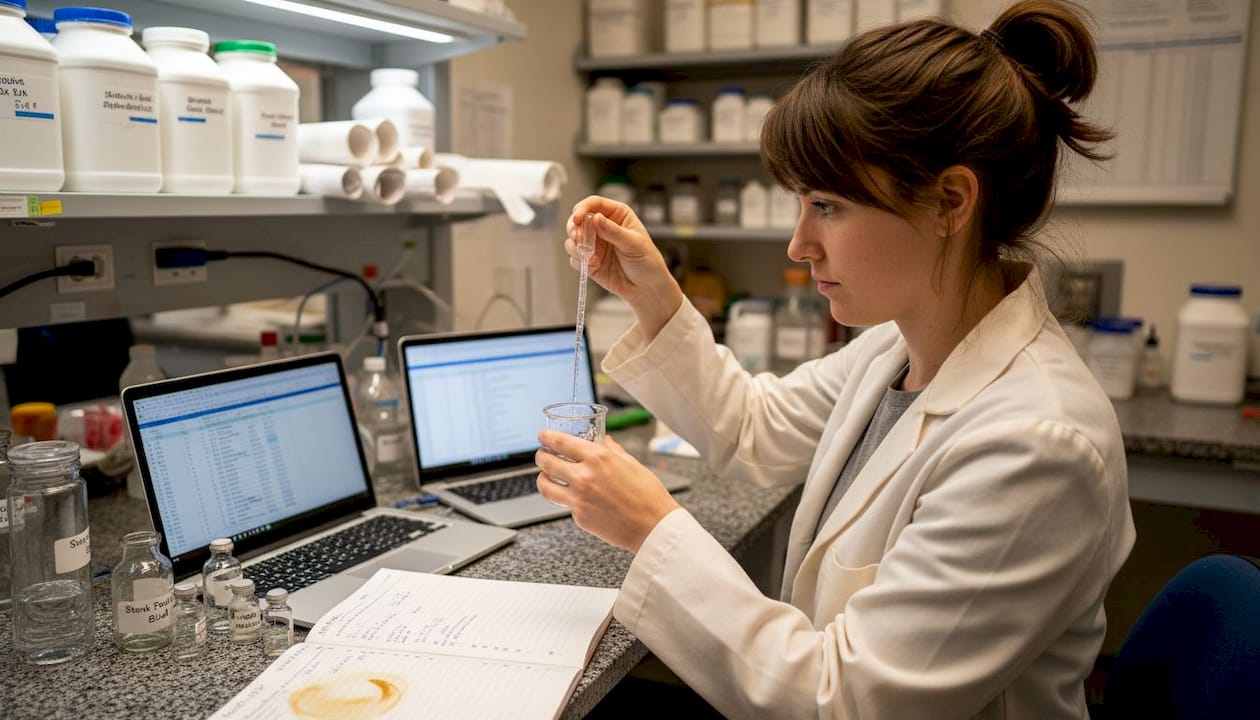
Natural sweetness enhancers hold 68.5% market share in 2026, with beverages dominating applications at 43.2%. That is a decisive lead, and it reflects a market that has already made its directional choice. But the story is not as simple as “natural wins, artificial loses.”
| Sweetener type | Key strengths | Key limitations | Best application |
|---|---|---|---|
| Stevia / monk fruit | Clean-label, zero-calorie, consumer trust | Cost, aftertaste in high doses | Beverages, dairy, supplements |
| Sucralose / acesulfame-K | Heat stability, formulation reliability | Regulatory scrutiny, label perception | Baked goods, processed foods |
| Hybrid blends | Balance of cost, taste, and label | Complexity in documentation | RTD beverages, sauces |
| Allulose / tagatose | Rare sugar profile, low glycemic | Supply constraints, cost premium | Premium FMCG, functional foods |
Artificial sweeteners like sucralose still earn their place in formulations that require heat stability or long shelf life. Natural sweeteners excel in clean-label positioning, while artificial options maintain an edge in technical reliability. The emerging category is hybrids, blends that combine a small amount of natural sweetener with a bulking agent or flavor modulator to hit cost, taste, and label targets simultaneously.
For sweeteners for beverage manufacturing, the shift toward stevia and monk fruit blends is already well underway. Beverage formulators are using these naturals at lower concentrations, often paired with flavor masking agents, to reduce aftertaste while keeping the “no artificial sweeteners” claim intact.
Pro Tip: If you are sourcing for a reformulation project, request a blend specification from your supplier rather than a single-ingredient quote. Hybrid solutions often deliver better cost-per-sweetness ratios than pure naturals, and they give your formulation team more flexibility.
Manufacturers working in organic and natural sweeteners categories face an additional layer of certification complexity. Organic stevia and organic monk fruit require traceability documentation that goes well beyond a standard COA, so build that into your lead time planning.
Procurement strategies: Managing cost, supply, and compliance risk
Understanding which sweeteners to source is only half the challenge. Procurement faces unique pressures in 2026.
Supply chain risk is not theoretical this year. A 7% beet acreage decline in the EU is tightening sugar supply and pushing prices upward across European markets. If your supply chain runs through EU-origin beet sugar, you are already feeling this. The strategic response is origin diversification, specifically toward Brazil and India, both of which have strong cane sugar output and more stable near-term supply outlooks.
Here is a practical framework for managing procurement risk in 2026:
- Audit your origin concentration. If more than 60% of a single sweetener type comes from one geography, you have a vulnerability. Map it explicitly.
- Build a hedge position in alternatives. Even a 10 to 15% allocation to rare sugars or high-intensity naturals gives you formulation flexibility if primary supply tightens.
- Qualify at least two suppliers per category. Single-source arrangements look efficient until they are not. Qualification takes time, so start before you need it.
- Document compliance proactively. Regulatory requirements are tightening fast. GRAS reform and state-level bans on artificial sweeteners are creating documentation gaps that can stall product launches.
- Align with your regulatory team early. Procurement decisions in 2026 have direct compliance implications. The days of sourcing and regulatory working in separate lanes are over.
“The procurement teams winning in 2026 are not just buying sweeteners. They are managing regulatory exposure, supply continuity, and formulation optionality as a single integrated function.”
For manufacturers producing frozen and prepared foods, the compliance layer is especially demanding. Freeze-thaw stability requirements narrow your sweetener options, and any reformulation triggered by a state ban on an artificial ingredient requires re-testing the entire product matrix. Factor that cost and timeline into your sourcing decisions now, not after a ban takes effect.
Review your clean-label sweetener strategy with your supplier to understand which options are already compliant with the most restrictive state regulations. Getting ahead of this reduces reformulation cycles significantly.
Emerging trends: Rare sugars, regional dynamics, and innovation
Alongside the big stories, nimble professionals are tracking less obvious but high-impact trends.
The stevia category remains a bellwether for the broader naturals market. The stevia market sits at USD 1.48 billion in 2026 and is forecast to reach USD 2.53 billion by 2036 at a 5.5% CAGR, with conventional stevia holding a 55% share. That conventional dominance signals that cost-sensitive manufacturers are not yet willing to pay the premium for Reb M or fermentation-derived stevia at scale, but the trajectory is clear.
| Emerging sweetener | Current status | Growth driver | Key category |
|---|---|---|---|
| Allulose | Gaining FMCG traction | Low-glycemic, baking functionality | Snacks, baked goods, beverages |
| Tagatose | Niche but rising | Prebiotic profile, low calorie | Functional foods, dairy |
| Fermentation-derived stevia | Early commercial scale | Cost reduction vs. extraction | Beverages, supplements |
| Monk fruit concentrate | Mainstream in premium | Clean taste profile | RTD, protein products |
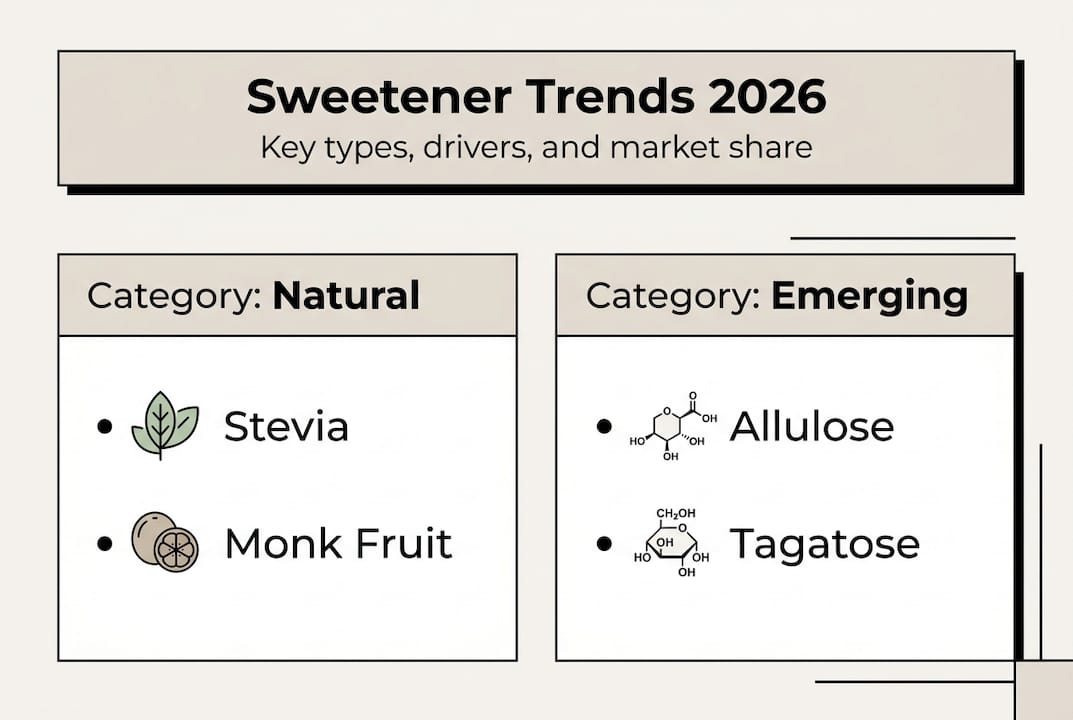
Rare sugars like allulose and tagatose are moving from specialty to mainstream faster than most sourcing teams anticipated. Sugar prices remain stable to upward amid high input costs, and FMCG brands are using that pressure as the business case to trial rare sugars in reformulations. Allulose, in particular, offers baking functionality that most high-intensity sweeteners cannot replicate.
Regional dynamics matter for sourcing strategy:
- APAC is the fastest-growing consumption region, driven by urbanization and rising middle-class health awareness in India and China.
- Brazil and India are increasingly important as both supply origins and growth markets, making supplier relationships there doubly valuable.
- North America remains the most regulatory-complex market, with state-level rules diverging from federal GRAS status in ways that create real procurement risk.
For nutraceutical and supplement applications, rare sugars and fermentation-derived naturals are particularly relevant. The functional food consumer expects both a clean label and a functional benefit, and rare sugars can deliver both. Track the clean-label trends shaping this space, because the supplement category is often where mainstream food trends start.
What most sweetener reports miss: The next sourcing advantage
Most trend reports give you the data. What they rarely give you is the sourcing logic that actually creates resilience.
Here is what we see consistently: companies that bet heavily on a single sweetener type or a single origin geography are the ones scrambling when a regulatory change or a weather event disrupts supply. The procurement teams that outperform are the ones building blend-ready sourcing structures. That means qualifying suppliers who can deliver multiple sweetener formats, not just one SKU, and who have the blending infrastructure to adjust ratios as formulation needs shift.
Compliance auditing is the other underestimated lever. Buyers who are already auditing their suppliers for GRAS documentation, state-level compliance readiness, and traceability depth are building a 2027 and 2028 advantage right now. By the time a regulation tightens, it is too late to start that process. The co-manufacturing sweetener sourcing model, where a supplier functions as a formulation and compliance partner rather than just a commodity vendor, is where the real risk reduction happens. Rigid spec-based buying looks efficient on a spreadsheet. Flexible, audit-ready partnerships look efficient when your competitor’s product launch stalls and yours does not.
Strategic sweetener sourcing: Solutions for 2026 demands
For procurement teams ready to act on these trends, the right supplier relationship makes all the difference.
At US Sweeteners, we supply bulk and specialty sweeteners across the full category spectrum, from sucrose and HFCS to stevia, monk fruit, allulose, and hybrid blends. Our inventory is built for the formulation flexibility and compliance documentation that 2026 demands. Whether you are reformulating for clean-label compliance, hedging against EU supply tightening, or scaling a rare sugar trial into full production, our logistics network and sourcing depth support your timeline. Explore our bulk sugar supplier capabilities or browse our full range of food processing ingredients to find the right fit for your 2026 sourcing strategy.
Frequently asked questions
What is driving the surge in sweetener market growth in 2026?
Market growth is driven by rising health consciousness, government sugar reduction mandates, and strong demand for clean-label products. These forces are accelerating adoption of alternative sweeteners well beyond what previous years suggested.
Which sweetener types are preferred by large-scale beverage manufacturers in 2026?
Natural sweeteners dominate beverages, with stevia blends and monk fruit leading for their clean-label appeal and sugar-like taste profiles. Hybrid formulations are also gaining traction as cost-effective middle-ground options.
How can procurement teams manage sugar supply chain volatility in 2026?
Diversifying supplier origins, building hedge positions in rare sugars, and proactively auditing for compliance are the three most effective levers for managing both supply and regulatory risk simultaneously.
What is the outlook for rare sugars like allulose in 2026?
FMCG brands are shifting toward rare sugars like allulose and tagatose as sugar prices stay elevated and consumer demand for low-glycemic options grows. Allulose is particularly attractive for baked goods due to its functional baking properties.
How are regulatory changes impacting sweetener choices in 2026?
GRAS reform and state-level bans on certain artificial sweeteners are making natural and hybrid options more strategically attractive, especially for manufacturers selling across multiple US state markets.
Recommended
- Sugar Sourcing: Best Practices for Food Manufacturers – US Sweeteners
- The Ultimate Guide to Liquid Sweetener: Everything You Need to Know in 2025 – US Sweeteners
- Sweeteners for Nutraceuticals & Supplements | Bulk Supply
- Sweeteners for Co-Manufacturers & Co-Packers | Bulk