
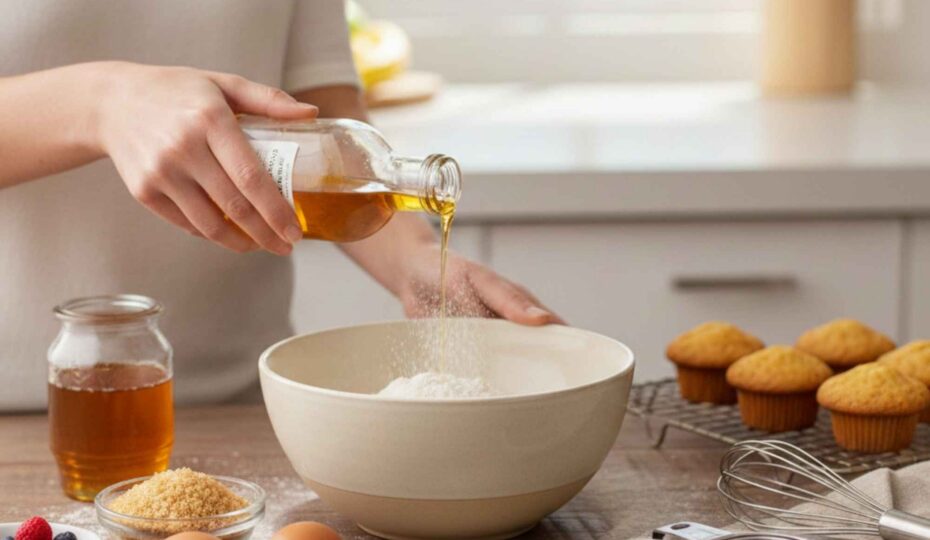
Agave syrup for baking is a popular choice for home cooks and food manufacturers because it blends easily, adds steady sweetness, and brings a mild flavor that works in many recipes. Bakers often use agave syrup when they want an alternative to granulated sugar, table sugar, white sugar, maple syrup, or honey. It comes from the agave plant and contains significantly more fructose than glucose, which is why it tastes sweeter and affects baked goods in a different way than regular sugar.
At US Sweeteners, we supply food businesses with high-quality sweetener options designed for performance, consistency, and ease of use. Our bulk agave syrup options support bakeries, beverage producers, mix manufacturers, and food companies that want reliable delivery, good price options, and dependable packaging. We help brands maintain steady production schedules with fast logistics and multi-warehouse distribution across the United States.
What Agave Syrup Is and Why Bakers Use It
Agave syrup is made from the natural sap of the agave plant. The sap is filtered, heated, and concentrated to form the syrup you see in a store bottle. Many bakers use agave syrup because it dissolves more easily than sugar and works well in both hot and cold recipes. Its mild flavor lets other ingredients stand out, and it blends smoothly with mixes used in cakes, muffins, brownies, bars, dressings, and sauces. Because agave syrup contains high fructose content, it tastes sweeter than sugar, so small amounts often achieve the same level of sweetness.
Agave nectar and agave syrup are usually used the same way, and both are found in the baking aisle of most stores. Light versions have a more neutral taste, while darker versions create a deeper flavor in baked goods. People also choose agave syrup because it has a low glycemic index and affects blood sugar more slowly than regular sugar. This makes it a common alternative for bakers who want predictable sweetness without sharp changes in taste or texture.
How Agave Syrup Is Made
Agave syrup is made by extracting the juice from blue agave or other agave varieties. The juice is filtered and heated until it becomes a thick syrup. Some syrups are labeled raw, meaning they are heated at lower temperatures, which keeps the flavor light. Others are processed a bit more to achieve specific colors and sweetness levels. The amount of heating changes the nutritional value, color, and taste.
The syrup may come in light, amber, or dark varieties. Light agave has a gentle flavor and works well in recipes where you do not want the sweetener to interrupt the taste of other ingredients. Amber agave syrup adds a bit more flavor and is often used in baked goods. Dark agave syrup supports stronger flavors and works well in sauces or desserts that need a rich taste.
Why Bakers Choose Agave Over Other Sweeteners
Agave syrup dissolves faster than other sweeteners such as white sugar, granulated sugar, honey, and maple syrup. It mixes into hot and cold batters well and blends with dry ingredients without leaving grains or crystals. This makes it easier to maintain a smooth texture in muffins, cookies, and cakes. Bakers also use agave syrup because they can add it to oatmeal, yogurt, coffee, tea, and bowl recipes without heating.
Many people choose agave syrup for baking because it works in vegan recipes and gluten-free mixes. It is a simple alternative that does not overpower the flavor of food. Agave syrup works well in dressings, drinks, margaritas, and cocktails because it dissolves fast and does not create cloudiness. Food manufacturers also use agave syrup to reduce the amount of sugar in certain products while maintaining sweetness.
Comparing Agave Syrup to Sugar and Other Sweeteners
Agave syrup is sweeter than table sugar and white sugar, which means bakers use smaller amounts. Sugar contains a mix of glucose and fructose, while agave syrup contains high fructose content and lower glucose. This affects the way baked goods brown, rise, and maintain moisture. When you use agave syrup instead of sugar, the final product is often softer and stays moist longer. Bakers who want chewy cookies or dense brownies often choose agave syrup because of this effect. According to a chemical analysis of agave syrups, the syrup derived from the agave plant is composed primarily of fructose (approximately 85 %) with smaller amounts of glucose and trace sucrose.
When comparing agave syrup to honey or maple syrup, the biggest difference is the flavor. Honey and maple syrup add a strong taste, while agave syrup stays mild. Agave syrup also blends more easily than honey, which can be thick and sticky. Many bakers prefer agave when they want sweetness without changing the flavor profile of the recipe. It also mixes better in dressings, drinks, and sauces than maple syrup or honey.
Health and Blood Sugar Considerations
Agave syrup has a low glycemic index, which means it affects blood sugar more slowly than regular sugar. People who monitor their diet often prefer sweeteners with steady absorption. Even with this benefit, agave syrup contains significantly more fructose than sugar. The body processes fructose through the liver, so moderation is recommended when using agave syrup regularly. People who eat large amounts of fructose may experience changes in digestion or overall health.
Some buyers choose raw or lightly processed agave syrup for recipes. These options may have a lighter flavor and smoother texture. Many consumers look for high-quality agave syrup that is packaged safely and does not contain pesticides or unwanted additives. Most agave syrup is sold in bottles made for easy pouring, and some bulk suppliers offer drums or totes for large-scale food production.
How to Use Agave Syrup for Baking
Agave syrup for baking works well when replacing sugar, but bakers must adjust liquids in the recipe. When substituting agave syrup for 1 cup of sugar, you typically use about ⅔ cup of agave syrup and reduce other liquids by a bit. This helps maintain the correct texture in the final product. Because agave syrup browns faster, many bakers lower the oven temperature slightly to prevent over-browning.
Bulk Agave Syrup is available if you’re looking for a steady, high-quality sweetener supply for baking, beverage production, or large-scale food manufacturing. We offer consistent inventory, clean packaging, and reliable nationwide delivery that helps you maintain smooth operations and predictable recipe results. If you want dependable sourcing for your mixes or baked goods, you can explore our bulk options to support your production needs.
Agave syrup works well in muffins, cakes, brownies, bars, and mixes. Bakers appreciate how it combines with dry ingredients and creates a smooth batter without extra effort. Its mild flavor means recipes taste balanced without strong sweetener notes. Many recipes that use agave syrup also turn out softer and more moist than those made with sugar.
How Agave Syrup Behaves in Heat
Agave syrup gains a deeper color and flavor during baking because of its fructose levels. This means baked goods may brown more quickly. Many bakers lower the oven temperature by about 5 to 10 degrees when using agave syrup instead of sugar. This helps maintain an even color and prevents the top from browning too fast while the inside cooks.
Agave syrup also attracts moisture. This helps muffins and cakes stay soft for longer periods of time. It also helps cookies stay chewy instead of crunchy. Food manufacturers often use agave syrup when they want consistent moisture and a longer shelf life in certain baked goods.
How Agave Syrup Fits Into Everyday Recipes
Agave syrup is not only used in baking. Many people sweeten coffee, tea, oatmeal, yogurt, or smoothies with agave. Its light taste blends well in breakfast dishes, fruit bowls, and cold drinks. Because agave syrup dissolves quickly, many cocktail makers use it in margaritas, iced cocktails, and mixers.
People also drizzle agave syrup on pancakes, waffles, and toast. Its smooth pouring texture makes it easy to use as a topping. Some use it as a cheaper alternative to maple syrup when they want sweetness without heavy flavor. Agave syrup works in salad dressings, marinades, roasted vegetables, and many sauces.
Practical Tips for Using Agave Syrup in Baking
When using agave syrup for baking, mix the batter thoroughly to keep the sweetness spread evenly. Agave syrup can separate from fats if not blended well, so mixing until smooth helps maintain structure. Some bakers line pans with parchment paper to prevent sticking because agave syrup is thick and can make baked goods cling to the pan.
It helps to taste test recipes when using agave syrup as a substitute. Agave syrup is sweet, but each recipe responds differently because of the liquid content. If you use too much, the texture may break or become too soft. Testing small amounts allows you to find the right balance.
Buying and Storing Agave Syrup
High-quality agave syrup often lists its source as blue agave. Many people look for raw or lightly processed versions when they want a mild flavor. The bottle should pour easily and have a consistent texture without graininess or cloudiness.
Agave syrup does not need refrigeration. Store it in a cool place away from heat. If the syrup becomes thicker in cold climates, warm the bottle slightly by placing it in warm water. This helps restore smooth pouring. Bulk agave syrup may come in large packaging like drums or totes, and these should be kept sealed to maintain freshness.
How to Choose the Best Agave Syrup
Agave syrup blends smoothly with food and supports many baked goods. Adjusting oven temperature, liquid levels, and sweetness helps achieve consistent results. Bakers can use agave syrup in muffins, cakes, brownies, cookies, and mixes without changing the overall taste too much. With small adjustments, it becomes an easy sweetener to use in many recipes.
When choosing agave syrup, look for a good price, clean packaging, and steady quality. Whether you bake at home or manage food production, agave can be a simple substitute for sugar and other sweeteners. It offers mild flavor, easy mixing, and predictable sweetness across a wide range of recipes.
Conclusion
Agave syrup is a flexible sweetener that works well in baking, everyday recipes, and commercial food production. Its mild flavor, low glycemic index, and smooth texture make it suitable for muffins, cakes, cookies, sauces, drinks, and many mixes. Bakers who replace sugar with agave syrup enjoy softer textures, steady moisture, and consistent sweetness, making it a trusted alternative in both home and large-scale kitchens.
At US Sweeteners, we supply reliable agave syrup options for food companies that want consistent quality and steady inventory. We support manufacturers, distributors, and bakeries across the country with fast delivery and multiple packaging sizes. Contact us to learn more about bulk agave syrup and other sweetener solutions for your food production needs.
FAQs
Can I replace sugar with agave syrup in baking?
Yes. Use about ⅔ cup of agave syrup for every 1 cup of sugar and reduce the liquids slightly to maintain texture.
Does agave syrup make baked goods brown faster?
Yes. Agave syrup browns quickly because it contains more fructose, so lowering the oven temperature helps control color.
Is agave syrup healthier than sugar?
Agave syrup has a lower glycemic index, but it contains high fructose content. People often use it in moderation.
Can I use agave syrup in drinks and sauces?
Yes. Agave syrup dissolves quickly in hot and cold drinks and works well in sauces, dressings, cocktails, and margaritas.