Is Maltodextrin Gluten Free?
Maltodextrin appears in everything from powdered drinks to sauces, leaving many gluten-free shoppers wondering: Is maltodextrin gluten-free? Despite the word “malt” suggesting barley, which contains gluten, maltodextrin is typically gluten-free and safe for those with celiac disease or gluten sensitivity.
Understanding the answer to “is maltodextrin gluten free” is essential for anyone following a gluten-free diet. This guide breaks down what maltodextrin is, how it’s made, and why it’s generally considered safe for gluten-conscious individuals.
Key Takeaways
Before diving deep into the science and regulations, here are the essential facts you need to know about maltodextrin and gluten:
- Maltodextrin is gluten-free even when derived from wheat, thanks to extensive processing that removes gluten proteins
- The FDA recognizes maltodextrin as safe for people with celiac disease under current regulations
- Processing matters more than source: whether made from corn, rice, potato starch, or wheat, the final product is gluten-free.
What is Maltodextrin?
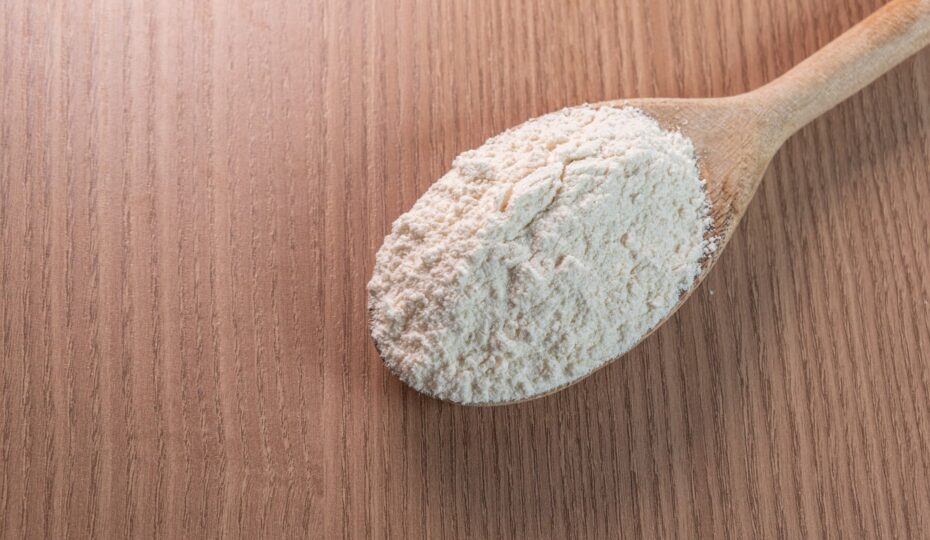
Maltodextrin is a white, powdery food additive that you’ll find in countless products on grocery store shelves. Despite its intimidating name, it’s simply a type of starch that’s been broken down through processing.
This versatile ingredient, maltodextrin, serves multiple purposes in food products. It acts as a thickener in sauces, adds bulk to powdered drinks, and helps preserve the shelf life of processed foods. You’ll commonly encounter it in sports drinks, instant puddings, salad dressings, and even some medications.
Where Does Maltodextrin Come From?
Maltodextrin can come from corn, rice, potato starch, wheat starch, or tapioca, but the source doesn’t determine its gluten content; what matters is how it’s processed. Even when made from wheat, maltodextrin is usually processed to remove gluten and is considered safe for most gluten-free diets.
How is Maltodextrin Made?
The manufacturing process involves cooking starches at high temperatures, then adding acids or enzymes to break them down further. This process, called hydrolysis, transforms the original starch into a completely different substance that dissolves easily in water and has a neutral taste.
The Gluten-Free Truth About Maltodextrin
Here’s where things get interesting for anyone following a gluten-free diet. Even though maltodextrin can be made from wheat, a grain that definitely contains gluten, the final product is still considered gluten-free.
Why “Malt” Doesn’t Mean Gluten
The confusion around maltodextrin gluten content often stems from its name. When people see “malt,” they immediately think of barley malt, which does contain gluten. However, maltodextrin has nothing to do with barley malt despite the similar-sounding name.
The term “maltodextrin” comes from its chemical structure, not its ingredients. It’s a combination of “malto” (referring to a type of sugar) and “dextrin” (a starch derivative).
Processing Removes Gluten Proteins
The key to understanding why maltodextrin is gluten-free lies in its manufacturing process. During production, the original starch undergoes such extensive processing that any gluten proteins present in the source material are completely broken down and removed.
This process is so thorough that even wheat-derived maltodextrin typically contains less than 20 parts per million (ppm) of gluten, well below the FDA’s threshold for gluten-free labeling.
FDA Regulations and Safety
The Food and Drug Administration (FDA) has classified maltodextrin as generally recognized as safe (GRAS) for consumption. This designation applies to all sources of maltodextrin, including those derived from wheat. Manufacturers must still follow strict labeling guidelines to ensure transparency for consumers with food allergies or sensitivities.
Food Labeling Requirements
Thanks to the Food Allergen Labeling and Consumer Protection Act, manufacturers must clearly identify when maltodextrin comes from wheat. You’ll see this information either:
- In parentheses after the ingredient (e.g., “maltodextrin (wheat)”)
- In a “Contains” statement at the end of the ingredient list
This transparency helps consumers make informed decisions about the food products they choose.
Safety for Celiac Disease and Gluten Sensitivity
Celiac Disease
Medical professionals and celiac disease organizations, including Beyond Celiac, consider maltodextrin safe for people with celiac disease. The processing removes gluten proteins so effectively that it meets all safety standards for a gluten-free diet.
Non-Celiac Gluten Sensitivity
People with non-celiac gluten sensitivity can also typically consume maltodextrin without issues. However, individual tolerance levels can vary, so it’s always wise to consult with your healthcare provider if you have concerns.
Common Foods Containing Maltodextrin
Maltodextrin is widely used across many categories of food and household products, thanks to its ability to improve texture, extend shelf life, and act as a stabilizer or thickener. Here’s a closer look at where you’re most likely to find it:
Beverages
Maltodextrin is often added to drinks to enhance mouthfeel, provide quick-digesting carbohydrates, or help powders dissolve more easily.
- Sports drinks: Offer a rapid energy boost and smooth texture for athletes and active individuals.
- Powdered drink mixes: Helps the mix dissolve evenly in water and adds mild sweetness.
- Some soft drinks: Used in low-calorie sodas and flavored beverages to improve taste and consistency.
Processed Foods
In packaged foods, maltodextrin acts as a thickener, filler, or preservative to improve texture and shelf life.
- Instant puddings and gelatins: Gives a smooth, consistent texture while extending freshness.
- Salad dressings and sauces: Help bind ingredients and maintain a uniform consistency.
- Candies and confections: Used to create a better texture and control sweetness levels.
- Canned fruits: Added to syrups to help stabilize the product and enhance flavor.
Other Products
Beyond food, maltodextrin appears in non-food items for its stabilizing properties and ease of absorption.
- Infant formulas: Serve as an easily digestible carbohydrate source for growing babies.
- Some medications: Act as a filler or carrier for active ingredients in pills and supplements.
- Personal care items: Found in products like toothpaste, lotions, and cosmetics to improve texture or preserve consistency.
If you’re following a gluten-free diet, always check labels, but rest assured that maltodextrin in these products is typically processed to be gluten-free.
Reading Labels Effectively
When shopping for gluten-free products, it’s important to read labels carefully to ensure the maltodextrin used is safe for your diet. Here’s what to keep in mind:
- Check the ingredient list for “maltodextrin”: This common additive appears in a wide variety of foods, so always look for it in the ingredients.
Look for source identification: If the maltodextrin is made from wheat, the label must disclose this, either in parentheses (such as maltodextrin (wheat)) or in the allergen statement.
Read the “Contains” statement: Located near the end of the ingredient list, this section highlights major allergens like wheat, helping you spot gluten-containing ingredients quickly.
Choose certified gluten-free products: When in doubt, look for a gluten-free certification seal. These products are tested to contain less than 20 ppm of gluten, offering added reassurance.
Remember, if a product includes maltodextrin but doesn’t mention wheat as a source, it was likely derived from corn, rice, or potato, which are naturally gluten-free. Being an informed label reader is one of the best ways to protect your health while enjoying a wider variety of foods.
Conclusion
Maltodextrin may raise questions due to its name, but the science and regulations are clear: it is typically gluten-free, even when sourced from wheat. Extensive processing removes gluten proteins, making it safe for people with celiac disease or gluten sensitivity. As long as you read labels carefully and understand how it’s made, you can feel confident including products with maltodextrin in your gluten-free diet.
At US Sweeteners, we supply high-quality maltodextrin and other food-grade sweeteners trusted by manufacturers nationwide. Whether you’re producing gluten-free products or need consistent, reliable ingredients, our team is here to help. Contact us today to discuss your bulk maltodextrin needs or request a quote.
FAQs
Is maltodextrin safe for celiacs?
Yes, maltodextrin is considered safe for people with celiac disease because the extensive processing removes gluten proteins, even when derived from wheat. The FDA and celiac disease organizations recognize maltodextrin as meeting gluten-free standards with less than 20 parts per million of gluten.
Is maltodextrin basically sugar?
Maltodextrin is a processed starch that behaves similarly to sugar in the body, causing rapid blood sugar spikes, but it’s technically a complex carbohydrate rather than a simple sugar. It has the same caloric content as sugar (4 calories per gram) and an even higher glycemic index than table sugar.
Is maltodextrin bad for you?
Maltodextrin isn’t inherently “bad” but offers no nutritional value and can cause blood sugar spikes, so it’s best consumed in moderation as part of a balanced diet. People with diabetes should be particularly cautious due to its high glycemic index of 110.
Does maltodextrin contain wheat?
Maltodextrin can be derived from wheat, but even wheat-sourced maltodextrin is gluten-free due to processing that removes wheat proteins, and manufacturers must clearly label wheat sources on packaging. Most maltodextrin in the US is actually made from corn, making wheat-derived versions less common.