Do Chia Seeds Go Bad? Complete Guide to Shelf Life, Storage & Usage
Last updated: January 24, 2026
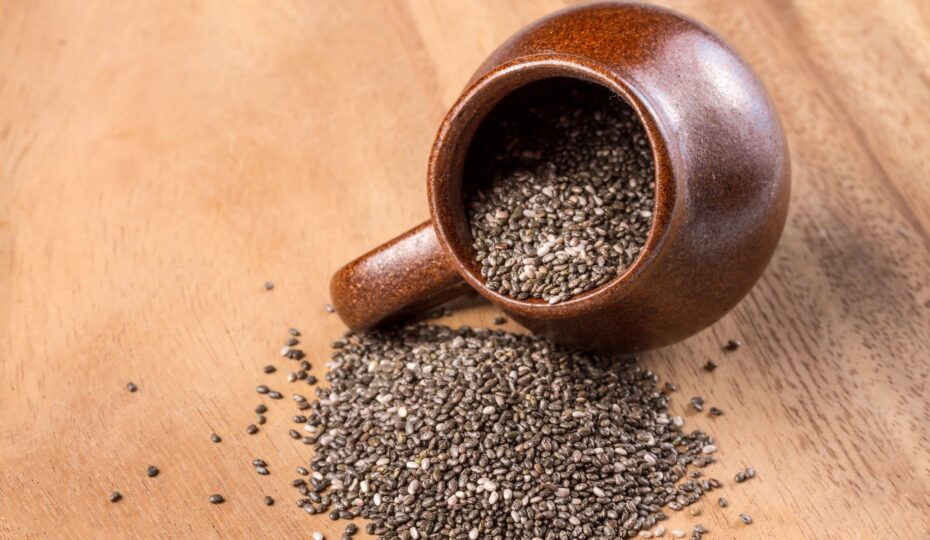
Chia seeds, once prized by ancient civilizations like the Aztecs and Mayans, are tiny powerhouses packed with nutrients. Their rise in modern health food circles has made them a pantry staple, but you might find yourself wondering: Do chia seeds go bad, or is that forgotten bag still good to use? In this guide, we’ll explore and answer the question Do Chia Seeds Go Bad?, shelf life, how to store them properly, and how to tell if they’ve gone bad, so you can make the most of these nutrient-packed seeds in your diet.
As a bulk ingredient supplier, US Sweeteners works with food manufacturers and health brands that store chia seeds in large quantities over extended periods. That experience shows how moisture control, airtight storage, and temperature stability play a critical role in preventing rancidity and preserving seed quality. The same principles apply to home kitchens storing chia seeds long term.
Understanding Chia Seeds: Background and Composition
Chia seeds come from the Salvia hispanica plant, a member of the mint family native to Central America. Their use as a dietary staple dates back over 5,000 years, with the Aztec and Mayan civilizations prizing them for their remarkable energy-providing properties.
What makes chia seeds so special is their impressive nutritional profile:
- Omega-3 Fatty Acids: Chia seeds are one of the richest plant sources of omega-3s, which support heart and brain health.
- Fiber: A single ounce (28 grams) contains an impressive 10-12 grams of fiber, helping with digestive health and satiety.
- Protein: They’re packed with high-quality plant protein (about 4-5 grams per ounce).
- Antioxidants: Their high antioxidant content not only benefits your health but also naturally preserves the seeds.
- Minerals: Rich in calcium, phosphorus, magnesium, and manganese.
It’s actually this unique composition that gives chia seeds their impressive shelf life. The antioxidants naturally present in the seeds help prevent the fats from oxidizing too quickly, while their low moisture content makes them less susceptible to spoilage compared to many other foods.
Chia Seed Shelf Life
Chia Seed Shelf Life by Storage Method
| Storage Method | Unopened | Opened (Airtight) |
|---|---|---|
| Pantry | 2–4 years | 1–2 years |
| Refrigerator | 4+ years | 2+ years |
| Freezer | Up to 5 years | Up to 4 years |
So, how long do chia seeds last? The answer depends on several factors, including whether the package is opened or unopened and how it’s stored.
Unopened Package Shelf Life
When stored properly in a cool, dry place away from direct sunlight, unopened packages of chia seeds typically last 2-4 years. Some sources even suggest they can remain viable for up to 5 years under optimal conditions. The original factory-sealed packaging plays a significant role here. Most commercial packaging is designed to keep out moisture and oxygen, the two biggest enemies of chia seed freshness.
Opened Package Shelf Life
Once you’ve opened that package, the clock starts ticking a bit faster, though chia seeds still outlast many other pantry items:
- Pantry storage: 1-2 years (in an airtight container)
- Refrigerated: 2+ years
- Frozen: Up to 4 years
It’s worth noting that “best by” dates on chia seed packages are generally conservative estimates and don’t necessarily indicate spoilage. Properly stored chia seeds often remain good to eat long after the printed date.
Factors That Affect Chia Seed Longevity
Several key factors can significantly impact how long your chia seeds stay fresh:
Environmental Factors
- Temperature: Heat accelerates oxidation and spoilage. Store chia seeds in a cool environment, ideally below 70°F (21°C).
- Humidity and moisture: Chia seeds absorb moisture readily (that’s why they make such a great gel!), which can lead to mold growth or premature spoilage.
- Light exposure: Direct sunlight or bright light can degrade the oils in chia seeds, leading to rancidity.
- Oxygen exposure: Oxygen causes fats to oxidize, giving chia seeds an off flavor and reducing nutritional value.
Storage Container Considerations
The container you choose makes a big difference:
- Material: Glass jars provide the best protection from moisture and odors. However, high-quality plastic containers with tight seals can work well too.
- Air-tightness: An airtight container is essential for preventing moisture and oxygen from reaching your seeds.
- Opacity: Opaque containers protect seeds from light exposure better than transparent ones.
Regional Climate Considerations
Your local climate plays a significant role in how you should store chia seeds:
- Humid climates: If you live in a humid area, refrigeration becomes more important. Consider using desiccant packets in your storage container.
- Dry climates: Pantry storage works well in drier climates, though you’ll still want to use airtight containers.
- Seasonal adjustments: During humid summer months, you might want to move your seeds to the refrigerator, even if you normally keep them in the pantry.
How to Tell If Chia Seeds Have Gone Bad
Despite their impressive shelf life, chia seeds don’t last forever. Here’s how to tell if your chia seeds have gone bad:
Visual Indicators
- Mold: Any visible mold (usually appearing as fuzzy green, white, or black spots) is a definite sign to discard the seeds.
- Clumping: Excessive clumping indicates moisture exposure, which can lead to mold growth even if you don’t see mold yet.
- Pantry pests: Small bugs, webs, or eggs in your chia seed container mean the seeds should be thrown away.
- Discoloration: Significant color changes can indicate oxidation or spoilage.
Smell Test
Fresh chia seeds typically have a mild, nutty aroma or no smell at all. If they smell rancid, musty, moldy, or sour, it’s time to replace them, as rancidity can develop before any visible changes occur.
Texture Changes
- Stickiness: Chia seeds should be dry and free-flowing. If they feel sticky or clump together when dry, that’s a bad sign.
- Unusual oiliness: If the seeds leave an oily residue on your fingers, they may have started to break down.
Taste Evaluation
If the seeds have passed the visual and smell tests, you can taste a small amount. Fresh chia seeds have a mild, slightly nutty taste. If they taste bitter, sour, or “off” in any way, it’s best to discard them.
Note: If the seeds have visible mold or smell bad, skip the taste test and discard them immediately.
Do Chia Seeds Go Bad After Soaking in Water?
Chia seeds that have been soaked in water or liquid should be treated differently than dry seeds. Once hydrated, chia seeds become highly perishable and should be refrigerated immediately.
Chia gel stored in the refrigerator typically stays safe for up to 3–5 days when kept in a sealed container. If soaked chia seeds develop a sour smell, visible mold, excessive separation, or slimy texture beyond normal gel formation, they should be discarded. Chia seeds left soaking at room temperature overnight are more likely to spoil and should be avoided.
Ultimate Chia Seed Storage Guide
Proper storage is the key to maximizing the shelf life of your chia seeds. Here’s how to keep them fresh in various storage locations:
Pantry Storage Best Practices
For many households, pantry storage works well for chia seeds:
- Choose the right container: An airtight glass or heavy plastic container with a secure lid is ideal.
- Location matters: Store away from heat sources like ovens, stoves, or appliances that generate heat.
- Avoid direct sunlight: Keep containers in a dark cabinet or pantry.
- Keep it cool and dry: Maintain good ventilation in your storage area to avoid excess humidity.
Refrigeration Methods
Refrigeration can extend the shelf life of chia seeds, especially in warm or humid climates:
- Use an airtight container: This prevents the seeds from absorbing moisture or odors from the refrigerator.
- Allow sealed containers to come to room temperature before opening: This prevents condensation from forming inside.
- Keep away from strong-smelling foods: Chia seeds can absorb odors even through plastic containers.
Freezing for Maximum Longevity
For the longest possible shelf life, freezing is your best option:
- Prepare for freezing: Ensure seeds are in an airtight, freezer-safe container. Glass jars with a bit of headspace work well.
- Consider portioning: Package in smaller amounts to avoid repeated thawing and refreezing.
- Thawing not required: Frozen chia seeds can typically be used directly from the freezer in most recipes.
Commercial Storage Solutions
For bulk chia seed storage, consider vacuum sealing to remove oxygen and extend shelf life, using modified atmosphere packaging to replace oxygen with nitrogen, or adding desiccant packets to absorb excess moisture in long-term containers.
Should Chia Seeds Be Refrigerated?
Refrigerating chia seeds is not strictly required, but it can significantly extend shelf life, especially in warm or humid environments. Because chia seeds contain natural oils, cooler temperatures help slow oxidation and reduce the risk of rancidity over time.
Refrigeration is particularly beneficial for opened packages or bulk quantities. When storing chia seeds in the refrigerator, always use an airtight container to prevent moisture absorption and odor transfer. For long-term storage beyond two years, refrigeration or freezing is recommended.
Health and Safety Considerations
Potential Risks of Consuming Spoiled Chia Seeds
Eating spoiled chia seeds can have various health implications:
- Digestive issues: Rancid or moldy seeds may cause stomach upset, nausea, or digestive discomfort.
- Mycotoxin exposure: Mold on chia seeds can produce mycotoxins, which may be harmful if consumed.
- Reduced nutritional value: Even before obvious spoilage, aging seeds lose nutritional potency.
When It’s Safe to Consume Older Chia Seeds
If your chia seeds have been stored properly and show no signs of spoilage (no off smell, no mold, no unusual taste), they are generally safe to consume even past their “best by” date. Their nutritional value may be somewhat reduced, but they won’t cause harm.
Expert Storage and Preservation Tips
Buying Strategies for Optimal Freshness
- Purchase quantity: Buy an amount you can reasonably use within a year for pantry storage, or within two years if refrigerating or freezing.
- Check packaging dates: Look for recently packaged seeds when possible.
- Inspect packaging: Ensure there are no tears or openings in the original package.
- Trusted suppliers: Purchase from reputable suppliers with high turnover rates.
Inventory Management Systems
To prevent from being forgotten in the back of your pantry:
- Implement FIFO (First In, First Out): Use older packages before newer ones.
- Label clearly: Mark containers with purchase or opening dates.
- Regular inventory checks: Periodically check your stored seeds for quality.
Creative Ways to Use Chia Seeds (Before They Go Bad)
Don’t let your chia seeds go to waste! Here are some delicious ways to incorporate them into your daily diet:
Everyday Usage Ideas
- Chia pudding: Mix 3 tablespoons of chia seeds with 1 cup of plant-based milk and a touch of sweetener. Stir well, let sit overnight in the refrigerator, and wake up to a delicious breakfast.
- Smoothie booster: Add a tablespoon to your morning smoothie for extra nutrition.
- Yogurt topping: Sprinkle over yogurt along with some fruit for a nutritious breakfast or snack.
- Oatmeal addition: Stir chia seeds into hot or overnight oats for added texture and nutrients.
Baking Applications
- Egg substitute: Mix 1 tablespoon of chia seeds with 3 tablespoons of water and let sit for 5-10 minutes to create a vegan egg replacement for baking.
- Texture enhancer: Add to muffins, breads, or granola bars for a nutritional boost.
- Nutritional boost: Incorporate into pancake or waffle batter.
Culinary Uses
- Thickening agent: Use in soups, sauces, or gravy as a natural thickener.
- Homemade jam: Combine with mashed fruit and a little sweetener for a quick, no-cook jam.
- Salad topper: Sprinkle on salads or grain bowls for a subtle crunch and added nutrition.
Beverage Innovations
- Chia fresca: Add to water with lime juice and a touch of sweetener for a refreshing drink.
- Energy drinks: Create pre-workout beverages by adding to coconut water or sports drinks.
Conclusion
Chia seeds are a nutrient-packed superfood with a long shelf life, especially when stored properly. By keeping them in a cool, dry place and using airtight containers, you can enjoy their health benefits for up to 4 years. However, always check for signs of spoilage such as an off smell, mold, or changes in texture before using them. Proper storage and careful inspection ensure that you’re getting the full nutritional value from these tiny powerhouses.
Ready to make the most of your chia seeds? Whether you’re adding them to smoothies, baking, or creating delicious chia pudding, proper storage is key. Don’t forget to check out US Sweeteners for a wide selection of natural sweeteners to complement your chia seed recipes! Contact us today to learn more and start enjoying the many health benefits of these tiny powerhouses in your daily diet!
FAQs
How can you tell if chia seeds are bad?
Bad chia seeds will have a rancid smell (like old oil or paint), visible mold, unusual clumping, or a bitter taste. Trust your senses and discard moldy chia seeds immediately without tasting them.
Can I eat expired chia seeds?
Yes, you can eat chia seeds past their “best by” date if they show no signs of spoilage (no off smell, no mold, normal appearance and taste), as these dates indicate quality rather than safety.
How long do chia seeds last once opened?
Once opened, chia seeds typically last 1-2 years in the pantry (in an airtight container), 2+ years in the refrigerator, and up to 4 years when stored in the freezer, allowing you to safely consume these for quite some time.
How do you know if chia seeds are good?
Good chia seeds should have a mild, slightly nutty aroma (or almost no smell), appear dry and free-flowing without clumping, have a consistent color without discoloration, and taste neutral to slightly nutty without any bitterness.