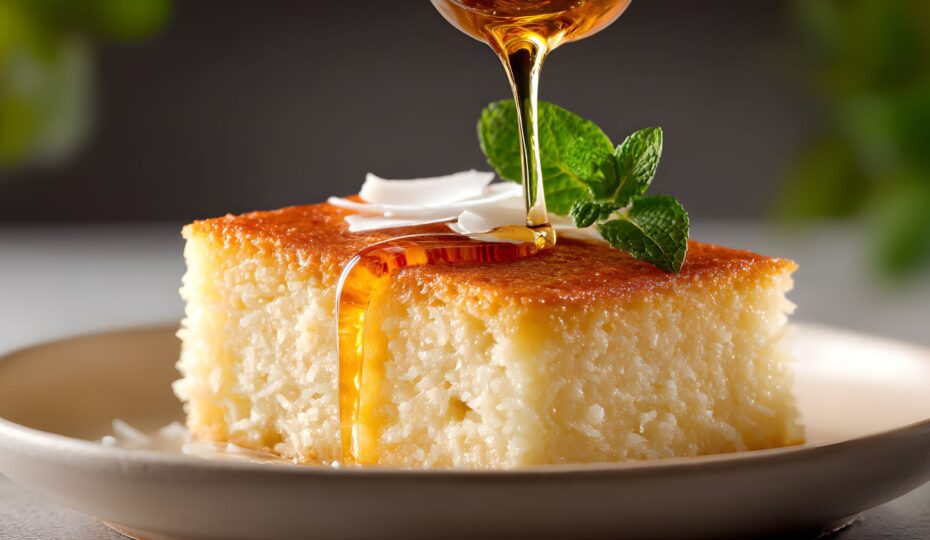
Sugar syrup for cakes is a fast way to keep cake layers soft, carry flavor, and support clean decorating in busy kitchens. It’s made from sugar and water, and it helps pastry chefs add moisture without changing a base recipe.
This guide explains a clear, simple syrup recipe, how much syrup to use, flavor options, storage, batch scaling, and training tips. It is written for owners and managers who need reliable methods that staff can repeat.
What Is Cake Syrup and Why Does It Work in Production
Sugar syrup for cakes is a mixture of sugar and water heated until the sugar dissolves into a smooth syrup. According to research, cake syrup is a basic 1:1 mix that’s brushed onto layers to add moisture before finishing. When brushed between cake layers, it adds moisture, evens out sweetness, and keeps the crumb from drying during finishing and hold times.
Operations use sugar syrup for cakes because it is simple, cheap, and fast to prepare. The same batch also supports iced beverages, iced coffee, and bar menus, so one prep task serves multiple stations.
Granulated Sugar vs. Corn Syrup Additions
For a clean, neutral base, use granulated sugar or regular sugar with water; both dissolve well and give a clear syrup that brushes smoothly on cake layers. If your team needs extra stability for baked goods, a small addition of corn syrup can limit crystallization and help the syrup coat evenly without grain. When you cook a large batch, keep the pot size matched to volume and hold a steady medium-high heat so the sugar dissolves quickly without color pickup. Finish in a medium-sized saucepan or small saucepan if you reduce the batch mid-shift to keep control over texture and flavor.
You can also build light profile shifts with honey or maple syrup when a menu needs a warmer note, but keep those as small adjustments to protect balance and sweetness in standard cake recipes. For classic lines, add a teaspoon of vanilla extract or almond extract off the heat for a clear aroma that won’t fight the filling or butter-based frostings. Infusions with spices or fresh zest work for specials; strain warm and cool completely before transfer so the brush-on stays even and the slice tastes clean.
Simple Syrup Recipe
Use a 1:1 simple syrup recipe by volume. Combine sugar and water in a pot, bring to a boil, stir until the sugar dissolves, then simmer for 1–3 minutes. Remove from heat, cool completely, and transfer to a clean bottle. Add a teaspoon of extract while warm if you want a flavored batch with a clean aroma that holds through service.
If crystals cling to the side of the pot, brush with warm water while you cook so everything becomes completely dissolved and clear. For menus that need longer holding, make a rich 2:1 syrup for a thicker body and lower water activity, then thin with hot water during service as needed.
Quick Ratios and Uses
| Ratio (Sugar: Water) | Station Uses | Method Snapshot |
|---|---|---|
| 1:1 (Simple) | Cake soaks, cupcakes, iced beverages | Boil, simmer 1–3 min, cool completely |
| 2:1 (Rich) | Longer hold, cocktail base, dense layers | Short simmer, cool; thin to taste |
Flavor Options That Sell
Keep a plain batch for base work, then build small flavored syrup batches for menu items. Vanilla and almond extract are flexible, orange zest lifts the sponge, and a touch of coffee tightens the profile of the chocolate cake. Maple syrup or honey can round the edges for fall cakes and breakfast menus.
Add flavors after heating so you keep a fresh aroma and clean taste. Start with a small amount, taste, and adjust by the teaspoon. Staff should record grams used so your next batch matches the last.
How to Use Syrup Without Making Cakes Soggy
Brush each cooled layer lightly with a pastry brush or use a squeeze bottle for even flow. Let the layer soak for a moment before adding filling so the surface grips frosting. This helps layer cakes build straight and reduces sliding during transport and holding.
How much simple syrup a layer takes depends on the texture and thickness. A denser cake can take more than a light sponge. Start with 2–3 teaspoons per 8–9-inch round, check absorption, then decide how much syrup to add to the next layer. The goal is moist, not wet.
Added Value for Café and Bar Programs
Sugar syrup for cakes is also a base sweetener for iced beverages. Keep one plain bottle for iced coffee, tea, lemonades, and mocktails where dry sugar will not dissolve. One prep line supports multiple revenue lines.
Use light syrup to thin fruit purée for quick glaze work on baked goods or plated desserts. A small amount gives shine without masking flavor, and the method teaches well to new staff.
Storage, Shelf Life, and Food Safety
Hold syrup cold in an airtight container and label flavor and date. Use plastic wrap under the cap if the seal feels loose, and avoid dipping a used brush back into the main bottle. Clean tools prevent haze and off notes.
A 1:1 batch supports short- to medium-term use in the refrigerator, while a 2:1 batch holds longer under the same conditions. Fruit-heavy or fresh zest infusions shorten life. Make smaller flavored batches and refresh often during peak days.
Texture, Stability, and Scaling
If you need a thicker body and fewer crystals, blend in 5–10% corn syrup or use a partial invert method; both make brushing large cakes easier and keep distribution even. For chocolate cake, a coffee-infused simple syrup adds lift without changing fat content or structure, and small flavor shifts stay consistent across batches.
Scale by weight for steady results. Match the pot to the batch so you don’t overheat while the sugar dissolves; for spice or peel infusions, strain while warm, then cool completely before capping so the liquid stays clear and uniform.
Troubleshooting
If the syrup looks cloudy or gritty, rewarm gently until completely dissolved; if haze remains from contamination, discard and remake a small batch. If a denser cake absorbs too fast, add syrup in a small amount, wait a minute, then brush again so you add moisture without making the cake soggy; if frosting slips on tall layer cakes, let layers cool completely, brush lightly, and rest the surface before stacking.
If a flavored syrup tastes weak against bold fillings, adjust off heat with a bit more extract and test on a trim piece. If the syrup skews too sweet, thin with hot water and reset your “how much syrup” standard by teaspoon per layer; if a café bottle thickens, loosen with hot water for iced beverages or iced coffee, shake to mix, and return it to cold holding.
Nutritional Information
A tablespoon of 1:1 syrup delivers the calories of dissolved sugar with no fat. Guests expect something sweet, but they do not want heavy; brushing is a small amount that adds moisture and sweetness without making a slice heavy.
If you need exact values for menu labels, calculate from your sugar weight and final volume. For flavored batches that add honey or maple syrup, the numbers rise slightly but still function like sugar.
Conclusion
Sugar syrup for cakes is a repeatable method that adds moisture, supports clean stacking, and keeps slices tasting fresh through service. The workflow is simple: combine sugar, bring to a boil, simmer, cool completely, and brush a small amount on each layer. Train staff to measure, record, and store syrup the same way every day so your flavor and texture stay steady across locations and shifts. With light brushing and the right flavor match, sugar syrup for cakes helps your bakery or café deliver consistent results.
For bulk sweeteners and liquid options that support production, US Sweeteners supplies ingredients that fit bakery, café, and beverage programs. If you want help with packaging sizes or custom blends, reach out for details that match your volume and workflow. Contact us to talk through your next order.
FAQs
What is sugar syrup for cakes, and how do I make it?
It’s sugar and water heated until the sugar dissolves; use a 1:1 ratio, boil, simmer 1–3 minutes, cool completely, and store cold.
How much syrup should I brush on each layer?
Start with 2–3 teaspoons per 8–9-inch layer, then adjust according to how fast it absorbs and the cake’s texture.
Will simple syrup make my cake soggy?
Not if you use a light coat and let it soak before filling; avoid pooling on the surface.
Can I flavor the syrup for specific cake recipes?
Yes, add vanilla extract, almond extract, citrus zest, coffee, tea, honey, maple syrup, or spices after heating, then taste and adjust.
How long does syrup last in the refrigerator?
A plain 1:1 batch keeps for weeks when cold and sealed; rich 2:1 syrup lasts longer, while fresh fruit infusions keep for a shorter time.