
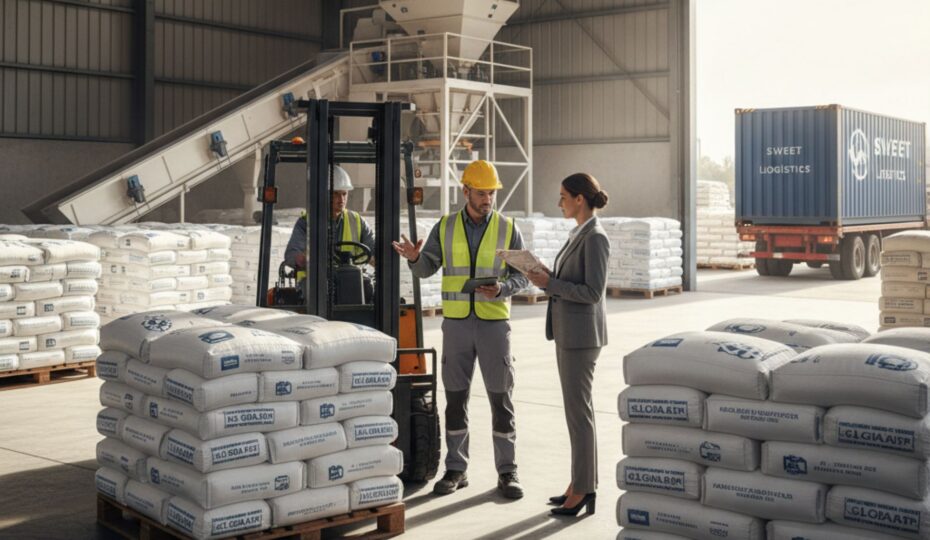
How to Choose the Best Sugar Supplier?
Picking the right sugar supplier protects product quality, keeps production steady, and helps you meet cost targets. This guide covers specs, certifications, logistics, pricing, and risk so operations and procurement teams can choose a reliable partner. The steps below are plain, practical, and built for busy buyers.
US Sweeteners supports distributors, wholesalers, bakeries, beverage producers, and food manufacturers with bulk sugar supply, custom packaging, and nationwide logistics. We operate a multi-warehouse network with pallet and bulk liquid options for fast routing. Every shipment includes a COA, clear lead times, and dock-ready paperwork.
What to Look for in a Sugar Supplier
Look for a bulk sugar supplier with a record of on-time delivery, consistent specs, and clear documentation. The best partners act as a sugar distributor, sugar wholesaler, and industrial sugar supplier in one place, so you get flexible volumes and stable lanes without juggling multiple vendors. That mix supports steady production and fewer last-minute changes.
Ask about nationwide sugar delivery, multi-warehouse sugar distribution, and coverage for both LTL vs FTL. A dependable U.S. sugar supplier should operate as a practical sugar procurement partner with transparent pricing and accurate forecasts. Aim for reliable sugar sourcing backed by quick responses and clean paperwork.
We are a Bulk Sugar Supplier in the US with nationwide delivery from multiple warehouses, offering palletized dry sugars, bulk liquid options, custom bulk packaging, and COAs with lot traceability on request. If you are looking for a dependable supply with clear lead times and delivery scheduling that fits your production calendar, visit us to review pack sizes and routing support. If you’d like to compare specs or plan a first run, contact us and we’ll align the right product and schedule for your sites.
Choose the Right Sugar Type
Start with form and function to match your process. Common choices include granulated sugar and extra fine granulated sugar for baking and cold beverages, plus powdered sugar or confectioners’ sugar for icings and glazes with an anti-caking agent at about 3–5%. Many plants also use brown sugar, turbinado, or demerara sugar for moisture, texture, and visual appeal.
Liquid applications point to liquid sugar, liquid sucrose, or invert sugar for smooth dosing and quick dissolution. Industrial needs can include raw sugar, refined white sugar, and VHP sugar for refining or specific specs. For special functions, consider crystalline fructose, maltodextrin, or molasses where formula targets call for them.
Spec Sheet Essentials You Should See
Ask for a full spec and certificate of analysis (COA) for every lot. Key fields include ICUMSA color, such as ICUMSA 35, ICUMSA 45, ICUMSA 100–150, and ICUMSA 600–1200, plus polarization %, moisture content, and ash content. For label-sensitive products, request microbiological testing, heavy metals screening, and pesticide residue analysis.
Keep lot traceability that links inbound ingredients to finished goods. Good records speed holds and recalls, and help QA confirm repeatable results. A clear COA format prevents confusion between teams and shifts.
Sugar Types by Industry
Beverage manufacturing sugar often leans on refined white sugar, ICUMSA 45, liquid sugar, liquid sucrose, or invert sugar for clarity and speed. Bakery and confectionery sugar blends granulated sugar, powdered sugar, and brown sugar to balance sweetness, structure, and color. These choices support cookies, cakes, fillings, and pan coatings.
In dairy and ice cream applications, consistent granulation helps mixers and stabilizers do their job. Sauces and syrups benefit from predictable solubility and color over heat and hold times. Foodservice and retail distribution need steady pack sizes and clean labeling for reorders.
Certifications and Compliance that Matter
Ask for current certificates and audit summaries that match your quality system. Food safety frameworks include FSSC 22000, ISO 22000, HACCP, and GMP-compliant operations. If your products carry market claims, confirm USDA Organic, Fairtrade certified sugar, Non-GMO sugar, Kosher sugar, and Halal sugar options.
Some buyers also request Bonsucro-certified cane sugar. For brand values, ask for written policies on ethical sourcing and sustainability standards, and how those are monitored. Clear documentation avoids surprises during audits and customer reviews.
According to FDA guidance under the Food Safety Modernization Act, buyers should approve and verify suppliers based on risk: importers must develop and follow a written Foreign Supplier Verification Program for each food and use appropriate verification activities such as onsite audits, sampling and testing, or review of supplier food-safety records to make sure ingredients meet U.S. safety standards. This provides a clear checklist you can apply when selecting a sugar supplier: document approval, verify hazards are controlled, and keep records of the verification you perform.
Packaging and Operations Made Simple
Pick formats that match throughput and storage plans. Common options include 50 lb bags, 25 kg bags, supersacks or big bags, IBC totes, and bulk tankers for liquid sugar at scale. Keep storage dry with humidity control, follow FIFO, and log opening dates to reduce waste.
Plan freight using lane density and site rules. Your partner should provide palletized shipments with dock-ready paperwork, accurate lead times, and help with appointment windows and detention avoidance. If you run several plants, ask for multi-site deliveries on a shared schedule.
Inventory Planning and Continuity
Use simple math to set your buffers. A reorder point that covers average daily usage multiplied by lead time plus safety stock helps keep lines supplied without bloated inventory. Review numbers weekly for volume shifts and seasonal loads.
Ask your sugar wholesaler for regional availability and standard release sizes. Shorter hauls and multi-warehouse sugar distribution reduce risk during weather or carrier swings. Small adjustments like fixed delivery days can reduce overtime and changeovers.
Sourcing and Traceability
Discuss cane sugar vs beet sugar early if origin affects process or claims. If you need details, ask for origin disclosure and chain of custody language that supports traceability back to the source. Remember, COOL does not apply to sugar, so written disclosures finish the picture.
If your buyers expect more, confirm Non-GMO options and a responsible supply chain program. Ask how the policy covers fair labor practices, water stewardship, soil health, greenhouse gas reduction, biodiversity protection, and support for non-monoculture cane systems.
Pricing and Buying Strategy
Compare by total landed cost, not just the unit price. Factor base price, fuel, accessorials, storage, financing, and receiving labor. Lighter color grades carry ICUMSA grade premiums, and liquid handling adds pump-out and sanitation time.
Pick a buying model that fits your run-rate and growth. Spot purchase vs annual contract is a balance between flexibility and price stability, and volume discounts often reward larger commitments. Import paths add documentation & customs, currency exposure, and longer market timing cycles, so plan buffers.
Risk Management Across Domestic and Import Paths
A U.S. sugar supplier with multi-warehouse sugar distribution shortens lead times and lowers transit risk. Imports sometimes offer price bands that look attractive but add port congestion, customs holds, and long dwell. Map the trade-off using recent lane data and the real cost of downtime.
Keep a fallback plan ready. Approve alternate specs that fit your process and qualify a second origin for critical SKUs. Strong lot traceability helps QA make quick substitutions without derailing schedules.
Supplier Evaluation
Score each sugar supplier on documentation, food safety, and delivery performance. Check FSSC 22000, ISO 22000, or HACCP certificates and review a recent set of COAs. Look at OTIF history, claim response time, and the quality of corrective actions.
Strong customer support is visible in how fast issues are logged and closed. Favor partners with a food manufacturing ingredients distributor with experience in your category. Shared language around mesh, moisture, and process behavior saves time and cuts trial churn.
Conclusion
Choosing a sugar supplier is about repeatable quality, clean documentation, and dependable freight. Match form and grade to your process, confirm COA fields that matter, and plan packaging, routing, and inventory around your calendar. Use simple pricing models, clear lead times, and a backup plan so production stays on schedule and on budget.
US Sweeteners operates as a bulk sugar supplier and sugar wholesaler with nationwide sugar delivery and multi-warehouse sugar distribution. We supply refined and specialty sugars, including granulated sugar, powdered sugar, brown sugar, turbinado, liquid sugar, and liquid sucrose, with COAs and options for Kosher sugar, Halal sugar, USDA Organic, Fairtrade certified sugar, and Non-GMO sugar. For specs, packaging, or delivery schedules that fit your facilities, contact us today.
FAQs
What is the difference between ICUMSA 45 and 100-150?
ICUMSA 45 is lighter and higher purity for clear beverages, while 100-150 is slightly darker and common for standard foods.
Is powdered sugar always made with an anti-caking agent?
Yes, confectioners’ or powdered sugar usually contains about 3-5% anti-caking agent to prevent clumping.
Does cane sugar vs beet sugar change taste or texture?
Most processes see little change, but some recipes and lines show small differences; a quick line test is the best way to confirm.
When should I choose liquid sugar or invert sugar instead of dry?
Use liquids for beverage and dosing systems that benefit from instant dissolution and fewer handling steps.
What buying model fits a growing plant?
Set a small base contract for stability and use a spot band for growth; volume tiers often reduce unit cost and improve allocation.