Everything You Need to Know About Sugar Beets
Sugar beets are an essential crop in the global sugar production industry, accounting for about 20% of the world’s sugar supply. Grown mainly in temperate climates, sugar beets are known for their high sucrose content, which is processed into beet sugar. With a history dating back to the 18th century, sugar beets are an essential cash crop in many countries, providing a cost-effective, sustainable alternative to sugar cane.
Despite their similar chemical composition, beet sugar and cane sugar are not exactly the same. Both are used in food products, beverages, and even industrial applications, but understanding their differences can help businesses make more informed choices when it comes to sweeteners. This article will explore everything you need to know about sugar beets, from how they grow to how they are processed into sugar.
What Are Sugar Beets?
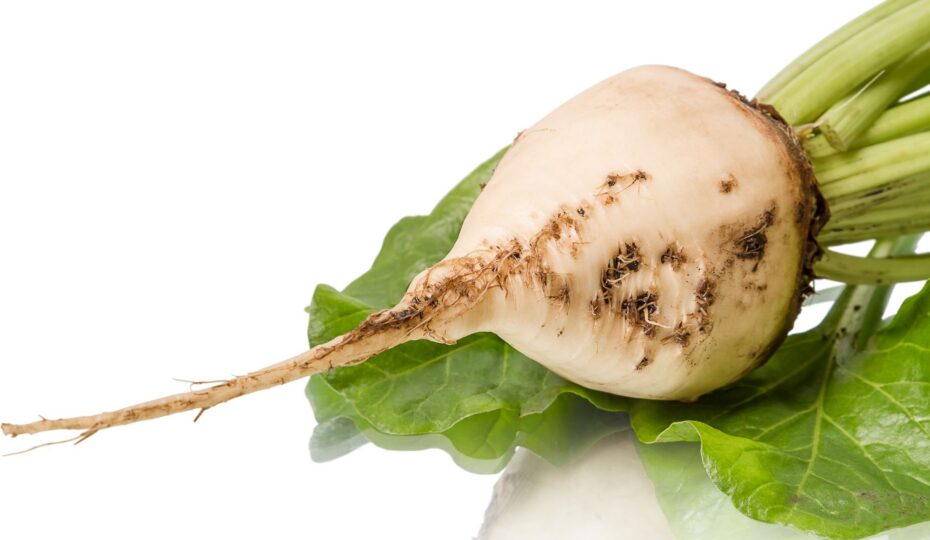
Sugar beets are a type of root vegetable that is primarily grown for their high sucrose content. These beets, scientifically known as Beta vulgaris, are conical, white roots that thrive in cooler, temperate climates. Unlike sugar cane, which is a tropical plant, sugar beets are commonly cultivated in regions like the U.S., Russia, and Europe. The beet plant consists of the root, which stores sugar, and a rosette of leaves that capture sunlight for photosynthesis.
The sugar content of sugar beets can range from 12% to 21%, depending on the growing conditions and variety. The roots are harvested once they reach full maturity, and the sugar is extracted through a series of processing steps. While they are not typically consumed directly in their raw form, sugar beets are processed into beet sugar, which is used in a variety of food products and industrial applications.
The Sugar Beet Production Process
The process of producing sugar from sugar beets starts with the harvesting of the roots. After being mechanically lifted from the ground, the beets are washed and sliced into thin strips called cossettes. These cossettes are then soaked in hot water to extract the juice, which contains the sugar. The juice undergoes a series of purification and evaporation steps before being crystallized into sugar.
Beet sugar is refined without the use of bone char, making it a preferred option for vegans and those seeking a more ethical source of sugar. The extracted sugar is then processed into raw sugar, which is further refined in a beet sugar factory to produce white sugar. The beet pulp, a byproduct of this process, is often repurposed for animal feed or other industrial uses like bioethanol production.
Key Differences Between Sugar Beets and Sugar Cane
Although both sugar beets and sugar cane are used to produce sugar, there are several key differences between them. The most obvious difference is their plant type: sugar beets are root vegetables, while sugar cane is a tall, fibrous grass. Sugar beets are grown in cooler climates, making them ideal for temperate regions, whereas sugar cane thrives in tropical and subtropical regions.
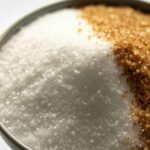
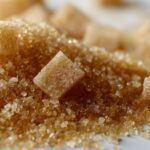
In terms of processing, sugar beets are typically refined without bone char, while some types of cane sugar are processed with bone char unless labeled vegan. While both beet and cane sugar are chemically identical, containing approximately 99.9% sucrose, the flavor profile can differ slightly. Cane sugar often has a more complex flavor due to its trace molasses content, whereas beet sugar tends to have a more neutral taste, making it ideal for baking and other food applications.
Sugar Beets vs. Other Types of Sugar
Sugar beets, while similar to cane sugar in terms of sucrose content, differ significantly in terms of plant origin, processing, and usage. This section compares sugar beets to cane sugar and corn syrup, highlighting their distinct characteristics. Sugar beets are root vegetables grown in temperate climates, while sugar cane thrives in tropical regions. In terms of processing, beet sugar is often more ethical due to the lack of bone char used in its refinement.
Sugar Beets vs. Cane Sugar
Sugar beets and sugar cane may seem similar because they both produce sucrose, but they come from different plant types. Sugar beets are root vegetables, while sugar cane is a tall grass that grows in tropical and subtropical regions. This difference affects their growing conditions, with sugar beets thriving in cooler climates, making them ideal for temperate regions like the U.S. and Europe.
In processing, the main difference lies in how the sugar is refined. Beet sugar is typically processed without bone char, making it a vegan-friendly option, while some cane sugars are refined using bone char unless specified otherwise. This makes beet sugar a more ethical choice for consumers concerned about animal by-products.
Sugar Beets vs. Corn Syrup
Corn syrup, a liquid sweetener derived from corn, is often used in food manufacturing and baking due to its moisture-retaining properties. Unlike sugar beets, which are processed into dry crystals, corn syrup remains a liquid and is primarily used for its high fructose content. This gives it a different texture and functional role in recipes, especially in candies and baked goods.
While both sugar beets and corn syrup offer sweetness, they serve different purposes in food production. Beet sugar provides a more stable, crystalline form that is ideal for baking, while corn syrup’s liquid nature makes it better suited for recipes requiring a smooth, moisture-rich consistency.
Sugar Beets in Baked Goods
When it comes to baking, the type of sugar you use can affect both the flavor and texture of your creations. Beet sugar is often preferred in baked goods for its clean, neutral sweetness, making it ideal for delicate recipes like cakes, cookies, and pastries where you don’t want an overpowering flavor.
On the other hand, cane sugar, which retains trace amounts of molasses, can add a subtle caramel flavor to certain baked goods. This slight difference in flavor profile makes beet sugar the go-to choice for recipes that rely on a consistent, uncomplicated sweetness.
Sugar Beets in the Global Economy
Sugar beets play a significant role in the global sugar market, providing a reliable and cost-effective source of sucrose. While sugar cane accounts for the majority of the world’s sugar production, sugar beets contribute to about 20%. The U.S. is one of the largest producers of sugar beets, and it accounts for around 55% of the sugar produced in the country. Other major producers include Russia, France, and Germany, where sugar beet farming is a crucial part of the economy.
According to research, the United States is one of the world’s largest sugar producers, with sugar beets accounting for approximately 55% of domestic sugar production. In fiscal year 2023/24, U.S. beet sugar production reached a record 5.347 million short tons, raw value (STRV), surpassing the previous high of 5.279 million STRV in 2017/18. This highlights the growing significance of sugar beet crops in the U.S. and the continuous advancements in processing technology that contribute to higher yields and improved efficiency in sugar production
The global production of sugar beets has been increasing over the years, with countries investing in research and development to improve yields and sustainability. This increase in production has been driven by the growing demand for cost-effective and vegan-friendly sugar options, as well as the environmental benefits of growing sugar beets in temperate climates.
Environmental and Ethical Considerations of Sugar Beets
Sugar beet farming is generally more environmentally sustainable than sugar cane farming due to the crop’s ability to thrive in cooler climates. Beets require less water than sugar cane and can be grown in areas with limited irrigation. Additionally, sugar beets are often grown in rotation with other crops, helping to maintain soil health and reduce the need for chemical fertilizers.
In terms of ethical considerations, sugar beets are processed without the use of bone char, making beet sugar a suitable option for vegans and those avoiding animal products. This is one of the key selling points of beet sugar, as many consumers seek alternatives to cane sugar that may involve animal by-products in the refining process.
Nutritional and Health Benefits of Sugar Beets
While sugar beets are primarily grown for their sugar content, they also offer nutritional benefits. Beet pulp, the fibrous byproduct of the sugar extraction process, is a good source of fiber and can be used in various food products. The beetroot itself contains small amounts of vitamins like vitamin C, calcium, and iron, although it is not typically consumed directly for its nutritional value.
Beet sugar, being chemically identical to cane sugar, provides the same caloric value. However, beet pulp is gaining popularity as an ingredient in fiber supplements and animal feed. This makes sugar beet production a valuable resource not only for sugar but also for other health-related products.
Uses of Sugar Beets Beyond Sweeteners
Sugar beets are not only valuable for producing sweeteners like beet sugar but also have several industrial applications. Below are some key uses of sugar beets and their byproducts:
- Beet Molasses: A byproduct of sugar beet processing. Used in animal feed, fermentation, and bioethanol production, making it an essential component in various industries.
- Beet Pulp: Rich in fiber. Often added to cereals and other food products to improve their fiber content, contributing to healthier food options.
- Biofuels: Beet sugar and its byproducts are increasingly used in biofuel production, particularly ethanol. Beet-based bioethanol is a renewable energy source and is blended into fuel, supporting the global shift towards cleaner energy alternatives.
The Future of Sugar Beet Production
Sugar beet farming continues to evolve, with research focusing on improving yields, disease resistance, and sustainability. One of the key challenges facing sugar beet farmers is the threat of pests and diseases, such as Rhizomania (root madness), which can damage beet crops. However, advancements in genetic modification and breeding techniques are helping to combat these issues and improve the resilience of sugar beet crops.
In the coming years, sugar beet production is expected to grow as demand for sustainable and ethical sweeteners increases. The focus will likely be on developing more drought-resistant varieties, improving soil management practices, and increasing the efficiency of the sugar extraction process.
Conclusion
Sugar beets are a crucial component of the global sugar industry, offering a sustainable, cost-effective, and ethical alternative to sugar cane. With a rich history and ongoing advancements in farming techniques, sugar beets will continue to play an important role in food production and beyond.
At US Sweeteners, we are dedicated to delivering top-quality sweeteners while promoting sustainable agricultural practices. Our products are designed to meet the needs of businesses looking for reliable and ethical sourcing. Contact us today to explore how our sweeteners can enhance your products and support your goals.
FAQs
What are the key differences between sugar beets and sugar cane?
Sugar beets are root vegetables grown in temperate climates, while sugar cane is a tropical grass. Both yield sugar with nearly identical chemical compositions, but sugar beets are often processed without bone char, making them more suitable for vegans.
How are sugar beets processed into sugar?
Sugar beets are harvested, washed, and sliced into strips. The juice is extracted, purified, evaporated, and crystallized to produce raw sugar, which is then refined into white sugar in a beet sugar factory.
Can sugar beets be used for anything other than sugar production?
Yes, sugar beets are also used to produce animal feed, molasses, and bioethanol. The beet pulp is high in fiber and is incorporated into various food products.
Are sugar beets grown in the U.S.?
Yes, the U.S. is one of the largest producers of sugar beets, with key growing areas in states like North Dakota, Michigan, and Idaho.
What is beet pulp used for?
Beet pulp is primarily used in animal feed, but it is also used in the production of fiber supplements and as an ingredient in various food products.