What Are the Best Organic Sweeteners for Healthier Choices
Organic sweeteners have become a popular choice for people who want to cut down on refined sugar without losing sweetness in their food. Many of these natural sweeteners come from plants, fruits, or other naturally occurring sources that can help manage calories and blood sugar levels. Choosing the right sweetener can make a big difference in how your body responds to sugar while still keeping your favorite recipes sweet and satisfying.
At US Sweeteners, we provide high-quality bulk sugars and sweeteners to distributors, wholesalers, and food manufacturers across the United States. Our company specializes in reliable nationwide delivery, non-GMO options, and custom packaging for food-grade ingredients. With over 30 years of logistics expertise, we help our partners maintain consistent production using trusted, certified organic and conventional sweeteners.
Understanding Organic and Natural Sweeteners
Organic sweeteners are made from natural sources that are grown without synthetic chemicals or genetically modified materials. Unlike artificial sweeteners that are chemically produced, organic options are processed with minimal interference, keeping their nutrients intact. Many organic sweeteners come from plant-based ingredients such as the coconut tree, agave plant, and maple trees, each offering unique flavor and nutritional benefits.
Natural sweeteners differ from artificial ones in how they interact with the body. Artificial sweeteners have zero calories but may affect insulin resistance or digestion in some people. Natural sweeteners, including organic sugar, honey, and maple syrup, contain carbohydrates and calories but can have lower glycemic indexes than refined sugar. The key is choosing options that match your health goals and recipe needs.
According to research, novel sweeteners derived from natural sources such as stevia and monk fruit are not a significant source of calories or sugar, so they don’t lead to weight gain or rapid blood sugar spikes. These options are classified among sweeteners that are “generally regarded as safe” by the FDA.
How Sweeteners Affect Blood Sugar
Every type of sweetener interacts with the body differently. Refined sugar, such as white sugar or granulated sugar, quickly breaks down into glucose, causing sharp blood sugar spikes. These spikes can increase insulin levels, contributing to weight gain and long-term risks like heart disease. Natural and organic sweeteners, in comparison, tend to have a slower effect on blood glucose levels.
Sweeteners like stevia, monk fruit, and certain sugar alcohols are popular among those managing diabetes because they do not significantly raise blood sugar. However, even natural sweeteners should be used in small amounts. Research suggests that consuming high amounts of sweeteners, whether natural or processed, can still lead to cravings, affecting diet balance and calorie control.
Popular Organic Sweeteners and Their Benefits
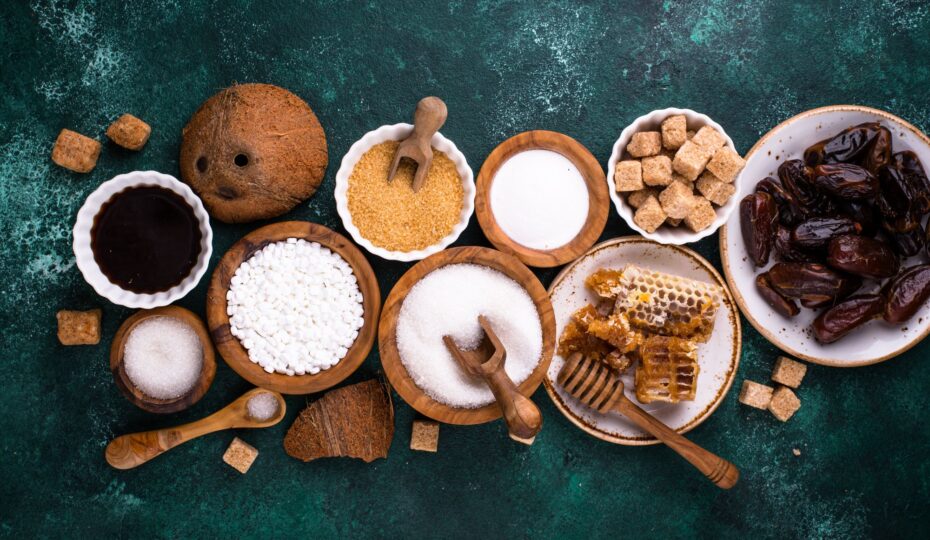
Explore some of the most widely used organic sweeteners and what makes each unique. From maple syrup and honey to coconut sugar and stevia, learn how these natural options compare in flavor, nutrition, and impact on blood sugar.
Maple Syrup
Maple syrup comes from the sap of maple trees and is often available as a certified organic product. It contains small amounts of minerals such as zinc, manganese, and calcium. Its deep flavor and light brown color make it a great substitute for white sugar in baked goods and sauces. Although it contains more calories than some other sweeteners, it has a lower glycemic index than table sugar, making it a better choice for those monitoring blood sugar levels.
Honey
Honey has been used for centuries for its sweetness and medicinal purposes. Organic honey contains natural antioxidants and trace nutrients. While it still contains fructose and glucose, it may not raise blood sugar as quickly as refined sugar. In small amounts, honey adds moisture and rich flavor to baked goods and marinades. However, because honey has more calories than granulated sugar, it should be used carefully in recipes.
Coconut Sugar
Coconut sugar is made from the sap of coconut tree blossoms and is a natural, unrefined sweetener. It has a caramel-like taste and light brown granules that work well in cookies, brownies, and sauces. Coconut sugar contains small amounts of potassium, zinc, and iron, adding nutritional benefits not found in refined sugar. It has a lower glycemic index, which means it may not affect blood glucose levels as rapidly as regular sugar.
Molasses
Molasses is a thick syrup produced during the sugar refining process and is available in organic varieties. It is rich in minerals like iron, calcium, and magnesium. Molasses has a strong flavor that pairs well with gingerbread and savory sauces. Though it contains sugar, it also provides nutritional benefits and depth of flavor that many processed sweeteners lack.
Agave Syrup
Agave syrup comes from the agave plant and has a mild, neutral taste. It is often marketed as a low-glycemic sweetener because it raises blood sugar less than table sugar. However, it is high in fructose, which may affect insulin resistance when consumed in large amounts. When used in small quantities, organic agave syrup works well in beverages, smoothies, and desserts.
Monk Fruit Sweeteners
Monk fruit sweeteners are derived from a fruit native to Asia and are known for their zero calories and intense sweetness. These sweeteners do not affect blood sugar levels and are suitable for sugar-free diets. They are often blended with other sugar substitutes to balance flavor in baking and cooking. Monk fruit is generally safe and offers a sweet taste without the calories of regular sugar.
Stevia
Stevia is a plant-based sweetener from South America. It contains zero calories and does not raise blood sugar levels. Stevia extracts are often used in beverages, yogurts, and baked goods. Research suggests that stevia may help lower blood pressure and support better blood glucose management. It has a slightly bitter aftertaste for some people, so blending it with other sweeteners can improve taste balance.
Whole-Food Sweeteners
Whole fruits, mashed bananas, fruit juices, and dried fruits can be used to replace added sugar in recipes. They provide sweetness along with fiber, vitamins, and minerals. Using fruit-based sweeteners in baked goods adds natural moisture and nutrients while avoiding refined sugar. Mashed banana, for example, can sweeten muffins or oatmeal cookies without added sugar.
Sugar Alcohols and Other Sweeteners
Sugar alcohols such as xylitol are low-calorie sugar substitutes made from natural sources. They have a different chemical structure from sugar and do not raise blood glucose levels as quickly. Sugar alcohols are used in sugar-free gums, candies, and baked goods. However, they may cause digestive issues in large amounts, such as gas or bloating.
Other sweeteners like allulose or erythritol are becoming more common in organic and low-calorie food products. These sweeteners provide sweetness similar to sugar but with fewer calories. They are generally safe and help reduce calorie intake, though more research is needed to understand their long-term effects.
Health and Nutrition Perspective
Choosing organic sweeteners can help reduce exposure to chemicals often found in processed foods. Many of these options contain trace nutrients, though they still provide calories and carbohydrates. People who want to manage blood sugar should pay attention to portion sizes and the type of sweetener they use.
If you’re looking for a certified organic sugar option that aligns with clean-label and health-focused food production, we offer Bulk Organic Sugar available in a range of quantities for commercial use. Our organic sugar is sourced from trusted growers and processed without synthetic chemicals, providing consistent sweetness and quality for bakeries, beverage companies, and food manufacturers. US Sweeteners supports large-scale operations with dependable delivery, non-GMO options, and flexible packaging to meet your specific production needs.
Organic sweeteners may have fewer additives, but they are not completely sugar-free. Even natural options can raise blood sugar if overused. Balancing your diet with whole foods, lean proteins, and fiber can help reduce sugar cravings and support steady insulin levels.
Using Organic Sweeteners in Baking
Replacing table sugar with organic options can affect texture and sweetness in baked goods. For example, honey adds moisture but can darken the crust, while coconut sugar produces a softer crumb. Stevia and monk fruit sweeteners are ideal for low-calorie recipes but may need blending with small amounts of natural sugar to improve taste.
When using syrups like agave or maple syrup, reduce the liquid in the recipe to keep the right consistency. Whole fruit options, such as mashed banana or pureed dates, can naturally sweeten bread or muffins while adding nutrients. Each sweetener behaves differently, so small adjustments may be needed for the best results.
Quality and Sourcing
Always look for certified organic and non-GMO labels when buying sweeteners. This guarantees that the ingredients come from trusted sources and are free from synthetic additives or corn syrup fillers. Store natural sweeteners in airtight containers to prevent crystallization and maintain freshness.
When sourcing for business, consistency and purity matter. Bulk suppliers like US Sweeteners provide reliable ingredients that meet quality and safety standards for large-scale food production. Choosing trusted suppliers helps maintain flavor, stability, and supply chain efficiency.
Safety and Moderation
Most organic sweeteners are generally safe when used in small amounts. People with diabetes or digestive sensitivities should monitor how different sweeteners affect their blood sugar or digestion. Some sugar alcohols can cause bloating, and high-fructose sweeteners like agave syrup should be used carefully.
Even natural sugars can lead to weight gain if consumed excessively. Moderation and balanced eating remain the best approach for maintaining good health. Organic sweeteners should enhance food flavor, not replace a nutritious diet.
Conclusion
Organic sweeteners offer a way to enjoy sweet foods while making healthier choices. Whether you prefer maple syrup, honey, coconut sugar, or low-calorie options like stevia and monk fruit, each has unique benefits. The key is moderation, understanding how each sweetener affects blood sugar, and choosing products that support your diet goals and health.
At US Sweeteners, we supply certified organic, non-GMO, and conventional sweeteners in bulk for food manufacturers, distributors, and wholesalers nationwide. We provide high-quality ingredients, reliable delivery, and custom packaging to meet your production needs. Contact us today to learn more about our available organic sweeteners and bulk supply options.
FAQs
What are organic sweeteners?
Organic sweeteners come from natural, non-GMO sources that are grown without synthetic chemicals or pesticides. They include options like organic honey, maple syrup, coconut sugar, and agave syrup.
Which sweetener is the healthiest?
Stevia and monk fruit are among the healthiest because they have zero calories and do not raise blood sugar levels.
What is a healthy alternative to sugar?
Healthy alternatives include organic stevia, monk fruit sweeteners, and coconut sugar. These provide sweetness with fewer effects on blood glucose levels.
What are 5 commonly used sweeteners?
Common sweeteners include honey, maple syrup, coconut sugar, agave syrup, and stevia.