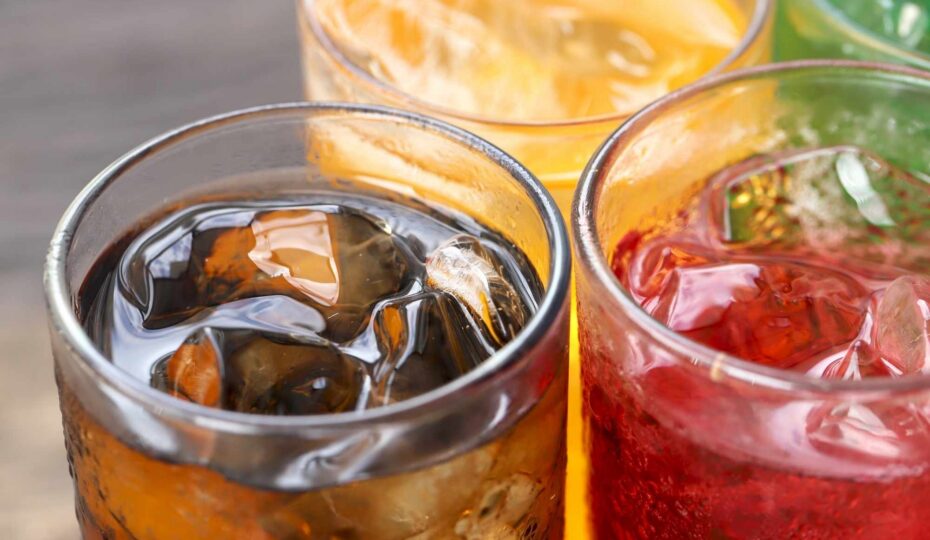
Maltodextrin in diet soft drinks is one of the most common ingredients used to enhance flavor, stability, and texture. It is a starch-based carbohydrate that dissolves easily in water and helps improve the mouthfeel of beverages without adding large amounts of sugar. In diet sodas and other low-calorie drinks, maltodextrin supports the blend of sweeteners and creates a smoother, more balanced taste that appeals to consumers who want sweetness without the calories of regular soft drinks.
At US Sweeteners, we supply bulk maltodextrin and other essential food-grade ingredients to manufacturers, distributors, and beverage producers across the United States. With over 30 years of logistics expertise and multiple warehouses nationwide, we provide fast delivery, consistent inventory, and competitive pricing for ingredient sourcing. Our team focuses on quality assurance, safe handling, and dependable supply chain performance to meet the needs of every food and beverage business we serve.
What Is Maltodextrin and How It’s Made
Maltodextrin is a starch-based carbohydrate made from corn, potato, or tapioca starch. It is processed to achieve specific sweetness and solubility levels measured by its dextrose equivalent (DE) value. According to a review article, digestible maltodextrins are defined as “low-sweet saccharide polymers consisting of D-glucose units linked primarily linearly with α-1,4 bonds,” and they typically have a DE value of less than 20, making them widely used in food and beverage applications for texture and stability.
In the beverage industry, maltodextrin with a moderate DE value is most common because it adds smoothness without excessive sweetness. Corn-based and tapioca maltodextrin are often preferred for their clean taste and easy solubility. These varieties are considered food-grade and gluten-free, making them suitable for a broad range of applications. Maltodextrin is a neutral ingredient that blends well with other components, which is why it plays an important role in formulating consistent and high-quality soft drinks.
Why Beverage Manufacturers Use Maltodextrin
Maltodextrin serves as a functional carbohydrate ingredient in beverage production. In diet soft drinks, it acts as a texture modifier and bulking agent that replaces the mouthfeel of sugar while maintaining a low-calorie formula. It helps distribute sweeteners evenly, preventing separation and supporting a uniform taste from the first sip to the last. Maltodextrin also contributes to the stability of flavor compounds, acids, and carbonation in the finished product.
For beverage manufacturers, maltodextrin offers practical production benefits. It dissolves easily in cold water, making it compatible with large-scale bottling systems and ready-to-drink formulas. Its neutral taste does not interfere with flavor profiles, and its ability to stabilize ingredients helps extend product shelf life. Manufacturers that rely on bulk maltodextrin supply value its consistency and efficiency during high-speed production runs, where ingredient performance directly affects output and quality control.
Role of Maltodextrin in Sweetness and Flavor
While maltodextrin is a carbohydrate, it is only mildly sweet. In diet beverages, it complements artificial or natural sweeteners such as stevia, sucralose, or aspartame. It does not increase sugar content but helps balance sweetness perception, reducing the aftertaste that can occur in sugar-free formulations. The result is a smoother drinking experience that resembles traditional soft drinks.
Maltodextrin’s DE value determines how it behaves in beverages. A higher DE value provides more sweetness and better solubility, while a lower DE value adds body and viscosity. Beverage developers choose maltodextrin grades based on their target flavor and texture. Its versatility makes it suitable for carbonated drinks, powdered mixes, flavored waters, and energy beverages. Because maltodextrin carries flavor compounds effectively, it helps deliver a stable and pleasant taste throughout the product’s shelf life.
Safety and General Use
Maltodextrin is widely accepted in the food and beverage industry and recognized as safe for consumption. It has been used for decades to improve the consistency, texture, and taste of many products. The amount of maltodextrin used in diet soft drinks is very small, adding minimal calories while providing important functional benefits. It also dissolves completely, leaving no residue or cloudy appearance in beverages.
Food-grade maltodextrin is produced under strict safety standards and quality checks. It is gluten-free, suitable for non-GMO formulations, and stable under heat and pressure. Manufacturers use it confidently in various applications, knowing that it performs consistently and maintains product integrity during packaging, shipping, and storage. Beverage producers who use maltodextrin can rely on its predictable behavior and compatibility with common ingredients used in soft drinks.
Maltodextrin and Blood Sugar Response
Although maltodextrin is classified as a carbohydrate, it is used in diet soft drinks at very low levels that contribute little to overall calorie or sugar intake. It has a higher glycemic index than table sugar, which means it can raise blood glucose levels when consumed in large quantities. However, the small quantities used in diet beverages have minimal impact on blood sugar. For most consumers, maltodextrin functions as a minor supporting ingredient that does not significantly affect overall nutrition.
Manufacturers often combine maltodextrin with other sweeteners to reduce calorie content and balance the taste profile. This makes it an effective ingredient for formulating beverages that meet consumer demand for low-sugar and sugar-free options. The key to maintaining product performance is using food-grade maltodextrin in controlled proportions that enhance quality without contributing unnecessary calories.
Digestive Compatibility
Maltodextrin is easily digestible and absorbed quickly by the body. Its structure allows it to break down efficiently during digestion, providing a quick energy source when used in larger quantities in foods. In beverages, the amounts are small enough that they do not contribute noticeable energy or fullness. This makes maltodextrin suitable for a wide range of consumer products, including diet soft drinks, sports beverages, and flavored water.
The ingredient’s smooth texture and clean taste make it compatible with sensitive formulations. Beverage manufacturers select maltodextrin grades based on their desired level of solubility and mouthfeel. For most consumers, it causes no discomfort or side effects when used as part of a balanced diet. Its stability and digestibility make it a dependable ingredient for modern beverage production.
Advantages for Beverage Manufacturing
Maltodextrin provides both performance and cost advantages in large-scale production. It dissolves quickly in mixing tanks and remains stable throughout pasteurization, carbonation, and packaging. It improves the density and texture of low-calorie beverages while supporting flavor uniformity. Manufacturers also use it as a humectant to maintain moisture and prevent ingredient separation in concentrated syrups and powdered drink mixes.
Another benefit is its compatibility with other common beverage ingredients such as acids, colors, and flavor oils. Maltodextrin helps these components blend smoothly, avoiding clumping or sedimentation. It contributes to longer shelf life and consistent quality across product batches. For companies producing large volumes of diet beverages, maltodextrin offers an efficient way to maintain stability while keeping calorie content low.
Limitations for Health-Focused Consumers
Even though maltodextrin is safe and widely used, it offers little nutritional value. It contains no vitamins, minerals, or fiber. When consumed in large amounts through processed foods, it can add unnecessary calories. In diet soft drinks, however, the level is so low that it has almost no direct effect on daily calorie intake. Consumers who follow low-carbohydrate or low-sugar diets should still monitor overall intake from all sources.
For those who want to reduce processed carbohydrate consumption, selecting beverages made with natural or plant-based sweeteners may be an alternative. Still, maltodextrin remains a practical ingredient for beverage companies focused on product consistency, shelf stability, and sweetness balance. When used responsibly, it supports the development of products that satisfy both taste and nutritional expectations.
Alternatives to Maltodextrin in Soft Drinks
Beverage formulators sometimes use alternative ingredients that provide similar results. Pectin, guar gum, and polydextrose can thicken and stabilize beverages while adding a small amount of dietary fiber. Tapioca starch and arrowroot powder are used in certain natural or clean-label drinks. These alternatives offer different textures and mouthfeels depending on the formulation.
For sweetness and calorie control, other options include sugar alcohols like erythritol and sorbitol, or natural sweeteners such as stevia and monk fruit extract. Each option varies in sweetness level, cost, and solubility. The choice depends on the product’s target flavor, calorie goals, and processing requirements. Maltodextrin remains one of the most efficient and neutral carriers available, making it a common choice for manufacturers who need consistency and reliability in their recipes.
How Beverage Manufacturers Source Quality Maltodextrin
Reliable sourcing is essential for any beverage company that depends on consistent ingredients. Bulk maltodextrin supply from a trusted distributor allows manufacturers to maintain smooth operations and stable production schedules. Quality suppliers provide Certificates of Analysis, batch traceability, and packaging options that suit each client’s needs.
If you are looking for a dependable source of Maltodextrin Bulk, we offer food-grade ingredients trusted by beverage and food manufacturers across the United States. Our products are designed to support consistent formulation, texture, and performance in diet soft drinks and other applications. With reliable inventory, flexible packaging, and nationwide delivery, we make ingredient sourcing simple and efficient for large and small production operations.
Conclusion
Maltodextrin plays an important role in the development and production of diet soft drinks. It provides texture, stability, and sweetness support without adding significant calories. Manufacturers use it because it performs reliably, dissolves easily, and helps create the smooth flavor consumers expect from low-sugar beverages. For most people, the small amount found in diet soft drinks is safe and well-tolerated.
At US Sweeteners, we supply high-quality, food-grade maltodextrin to beverage producers, distributors, and manufacturers nationwide. Our multi-warehouse system, fast delivery network, and commitment to consistent quality make us a dependable partner in ingredient sourcing. Contact us to learn more about our bulk maltodextrin options and other sweetener products available for the food and beverage industry.
FAQs
Is maltodextrin safe in diet soft drinks?
Yes. Maltodextrin is a food-grade ingredient widely used in beverages to improve texture and flavor. It is considered safe for regular use in small quantities.
Does maltodextrin raise blood sugar?
Maltodextrin can raise blood sugar if consumed in large amounts, but the small quantity used in diet soft drinks has little to no impact on blood glucose levels.
Why is maltodextrin used in sugar-free soft drinks?
It provides body, smoothness, and helps sweeteners blend evenly. It supports the mouthfeel and flavor balance of diet beverages without adding significant sugar.
Where can manufacturers buy bulk maltodextrin for beverages?
Manufacturers can source bulk maltodextrin from US Sweeteners, which offers nationwide delivery, custom packaging, and reliable ingredient supply for beverage and food applications.