
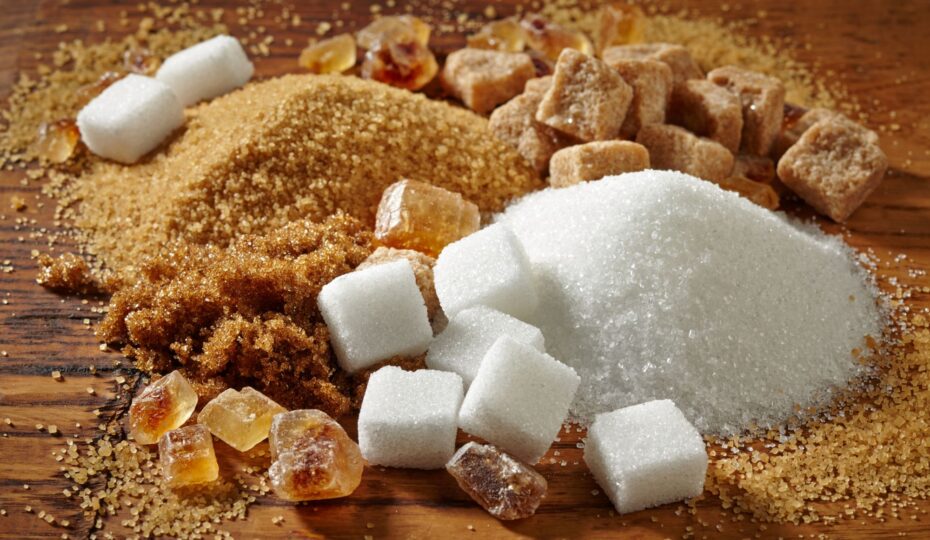
If you have ever opened a huge bag of sugar only to find it hardened into one solid block, you know why learning how to keep sugar from clumping matters. Clumps make it harder to measure sugar accurately, slow down production, and can change the texture of your recipes. Whether you use small household packages or bulk sacks, the solution is the same: control moisture, keep temperatures stable, and use the right storage methods.
This guide explains the food science behind clumping, shows you how to store sugar by type (granulated sugar, brown sugar, and powdered sugar), and gives you proven ways to restore hard sugar to a usable state. It also covers handling tips that work in both home kitchens and professional bakeries.
Why Sugar Clumps
Sugar naturally retains water molecules from the air. In high humidity, crystals get damp, stick together, and develop lumps. Once that moisture dries, the clumps become firm, creating hard sugar. This process happens to white sugar, powdered sugar, and even brown sugar, though for brown sugar, the main issue is losing moisture and becoming hardened brown sugar.
Temperature swings cause condensation inside containers, which can also lead to clumping. Storing sugar near pungent produce or other particularly pungent produce can cause it to absorb strong smells. Powdered sugar is even more prone to odor and moisture problems because of its fine texture and starch content.
Storage Rules to Stop Clumping
Always keep sugar stored correctly in a cool, dry place. Avoid refrigeration because high humidity in fridges encourages clumping and can cause sugar to absorb strong smells. A dry pantry or storeroom is best, even if you feel like sugar will sit in the pantry forever.
Use the right container. Place sugar in an airtight container or a moisture-proof plastic bag inside a bin with a tight lid. Smaller amounts can go in a rust-proof container, canister, or jar that is tightly wrapped. If you store sugar in a work area, add a saltine cracker to help absorb moisture. Keep sugar off concrete floors and away from heat vents to reduce temperature-related condensation.
Storing White (Granulated) Sugar
When you store white sugar, keep it in its original packaging and seal it inside an airtight container or a covered container with a tight lid. This keeps out moisture, pests, and unwanted odors. For bulk bags, portion into lined pails or heavy-duty bags, then tightly cover each one to limit exposure. Avoid storing near cleaning chemicals or pungent produce.
If you work from a huge bag of granulated sugar, refill smaller bins as needed. Keep bins closed between uses. If the sugar still forms lumps in humid conditions, place a saltine cracker inside to help absorb moisture.
Storing Brown Sugar
Brown sugar is different because it clumps when it loses moisture, creating hardened brown sugar. To prevent this, store it in a moisture-proof plastic bag or covered container with a tight lid. Add a terracotta saver, a slice of bread, or a marshmallow to help soften brown sugar between uses.
Store brown sugar away from direct heat and sunlight. For long-term storage, split it into smaller portions so you open less at a time. This keeps the sugar from drying out and forming large clumps.
Storing Powdered Sugar
Powdered sugar needs extra protection from moisture and odors. Always store powdered sugar in a sealed jar, canister, or heavy bag, and place it inside a bin with a tight lid. Keep it far from pungent produce, spices, or cleaning agents that can cause it to absorb strong smells.
If powdered sugar forms lumps, they are harder to remove because of the starch coating. Keep it dry and tightly covered at all times. Avoid refrigeration or freezer storage, as temperature changes will make it clump.
Storing Raw or Turbinado Sugar
Store raw or turbinado sugar in an airtight container or moisture-proof plastic bag to protect it from humidity. Keep it in a cool, dry location away from heat, direct sunlight, and pungent produce that may cause it to absorb strong smells. If storing in bulk, use lined bins or rust-proof containers with a tight lid for added protection.
Always keep the container off the floor to prevent temperature transfer from concrete, which can lead to condensation and clumping. Label and date containers if storing for long periods, and check periodically to confirm the sugar remains free-flowing.
Storing Coconut Sugar
Store coconut sugar in an airtight container or heavy-duty sealed bag to prevent moisture from causing it to harden. Keep it in a cool, dry area away from high humidity and strong odors.
For longer storage, place a terracotta saver or a small piece of bread in the container to help maintain moisture balance and prevent clumping. Avoid refrigeration, as temperature changes can create condensation inside the container.
How to Restore Different Types of Sugar
Different types of sugar clump or harden for different reasons, so the restoration method depends on the variety you are working with. The goal is to return the sugar to a usable texture without adding unwanted moisture or odors, while also preventing it from clumping again in storage.
According to research, sugar should be stored in a cool, dry place, not in the refrigerator, because moisture can make granulated sugar hard and lumpy, and once this happens, it becomes difficult to use again. The guidance also emphasizes that sugar can absorb strong odors, even through plastic packaging, so storing it in an odor-free area helps preserve both texture and flavor
Granulated Sugar
If granulated sugar becomes clumped sugar, use gentle heat. Place it in an oven-proof container and set the oven to the lowest temperature (150–200°F). This warm oven method allows the sugar to soften slowly. Tap with a spoon; if it loosens, leave the sugar in the oven until it is completely dry. Be careful, as oven-heated sugar can be extremely hot.
Alternatively, pulse it in a food processor until free-flowing. Return to an airtight container with a saltine cracker to absorb moisture.
Brown Sugar
To quickly make hard sugar soft, use the microwave method. Place about a half pound of hardened brown sugar in a microwave-safe bowl. Cover with a damp paper towel, then tightly cover with plastic wrap. Heat for 1½ to 2 minutes until the sugar softens. Use right away, as it will harden when cooled. Handle carefully, microwaved sugar can be extremely hot.
For a slower method, place the sugar in a covered container with a moisture source like a terracotta disc, bread, or marshmallow, separated by paper towels. Seal with a tight lid for a day to rehydrate.
Powdered Sugar
When powdered sugar forms lumps, it is harder to restore because of the starch coating that holds moisture. The best approach is prevention, but if you have a small amount to fix, spread it in an oven-safe dish and warm it briefly at the lowest temperature.
Sift the sugar immediately after warming to break apart the clumps. Once it is smooth, store it in a moisture-proof plastic bag or an airtight container to prevent future clumping and protect it from absorbing odors.
Raw or Turbinado Sugar
Raw sugar and turbinado sugar can clump if they absorb moisture during storage. To restore, spread the sugar thinly on a baking sheet and warm it at the lowest temperature for 10–15 minutes. Stir gently to separate the crystals.
After loosening the clumps, allow the sugar to cool completely before placing it in a tightly covered container. This helps protect it from humidity and keeps it free-flowing for longer.
Coconut Sugar
Coconut sugar may harden over time, especially in storage with fluctuating humidity. Break it into smaller chunks using your hands or a rolling pin before use.
Once broken down, store coconut sugar in an airtight container with a piece of bread or a terracotta saver to help maintain moisture balance. Keep it away from high humidity to prevent future hardening.
Measuring and Handling Tips
Clumps can make it hard to measure sugar accurately. Clumped sugar makes cup measurements inconsistent because of air pockets. For precise recipes, weigh sugar instead of using volume measures, especially for baking or candy-making.
Refill smaller containers as needed rather than keeping large bins open. Keep lids closed between uses to stop sugar from clumping. For bulk handling, rotate stock and keep work areas free from steam and spills.
Container Choices
Choose containers that block moisture and odors. An airtight container with a gasketed lid is ideal for everyday use. For larger quantities, use a lined pail or a rust-proof container. A moisture-proof plastic bag inside a bin adds protection in humid conditions.
For brown sugar, use smaller containers with moisture-retaining inserts to keep it soft. For powdered sugar, prioritize odor control. For white sugar, make sure it stays tightly wrapped when not in use.
Odor and Contamination Prevention
Sugar can absorb strong smells, so keep it away from onions, garlic, coffee, and pungent produce. Store spices, extracts, and cleaning products separately. This is especially important when you store powdered sugar because its fine particles can take on odors quickly.
Keep storage rooms clean and dry. Avoid placing containers directly on concrete or near exterior walls that may cause temperature changes and form lumps.
Safety for Heat and Microwave Fixes
Always use low heat. Oven-heated sugar should be handled with care, as it can be extremely hot. Let sugar cool completely before sealing to prevent trapped moisture.
When using the microwave method, keep heating times short, watch closely, and handle the bowl carefully. Always keep sugar tightly covered after restoring it to prevent future clumping.
Bulk Storage Tips
For large operations, portion bulk sugar into moisture-proof plastic bags or liners as soon as it arrives. Seal each container with a tight lid, label it with the delivery date, and store it off the ground to avoid temperature transfer from the floors.
Keep bulk sugar away from high-traffic areas and sources of humidity. Use a small, daily-use container at each station and refill it from sealed stock to reduce exposure and prevent sugar from clumping.
Conclusion
Keeping sugar free-flowing comes down to controlling moisture, maintaining stable temperatures, and using proper storage methods for each type. Whether you are working with granulated sugar, brown sugar, powdered sugar, or specialty varieties, understanding how they react to humidity and temperature will help you choose the right container and storage location. Restoring clumped sugar is possible, but prevention saves more time and preserves quality. From small kitchen supplies to bulk storage, consistent handling is the key to extending the shelf life of your sugar and keeping it ready for use.
If you’re ready to stock up on high-quality sugar, explore the selection at US Sweeteners. We offer a variety of sugars to fit your needs, from retail packs to bulk orders. Contact us today to place your order.
FAQs
How do you keep sugar from clumping?
Store sugar in an airtight container in a cool, dry place away from heat and humidity. Add a saltine cracker or silica packet to absorb moisture and keep the sugar free-flowing.
Why does sugar get hard?
Sugar gets hard when it absorbs moisture from the air, and the crystals stick together. As the moisture evaporates, the clumps solidify into hard sugar.
How do you soften hardened brown sugar?
Place about a half pound of hardened brown sugar in a microwave-safe bowl, cover it with a damp paper towel, and tightly cover with plastic wrap. Microwave for 1½ to 2 minutes until soft, then use immediately.
Can powdered sugar be restored after clumping?
Small amounts of clumped powdered sugar can be restored by warming it briefly at the lowest oven temperature and sifting immediately. For large amounts, prevention is best as starch content makes restoration difficult.
Should sugar be stored in the refrigerator?
No, sugar should not be stored in the refrigerator. High humidity causes sugar to absorb moisture, form clumps, and take on odors from nearby foods.