
How Much Priming Sugar for 5 Gallons of Beer?
You want a clear answer to how much priming sugar for 5 gallons of beer without guesswork. This guide explains the correct amount, when to adjust, and how to avoid bottle bombs or undercarbed bottles. It also covers sugar options like corn sugar, table sugar, dry malt extract, honey, and molasses, plus simple calculations you can use today.
US Sweeteners supplies food-grade sugar and ingredients for home brewing and small producers who bottle condition. We support reliable inventory, practical packaging, and fast logistics so you can prime, carbonate, and keep your bottling time on schedule across the country.
Simple Dosing for 5 Gallons
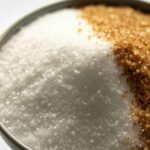
For five gallons (5 gallons) of beer, the common rule of thumb is 3/4 cup corn sugar (dextrose), 2/3 cup table sugar (sucrose), or about 1 1/4 cups dry malt extract (DME). These measurements are close to 4–5 ounces by weight, but the exact amount of sugar varies with fermentation temperature, beer style, and the priming solution you use. If you want a fast method for home brewing and a normal batch size, this is your best bet to prime cleanly.
That said, the correct amount is not always a single number. Carbonation levels depend on the temperature your beer reaches after fermentation, your finished beer style target, and the actual packaged volume in your bottling bucket. Use the quick numbers if you want a simple start, or adjust with a calculator for tighter control and to reduce the risk of exploding bottles.
What Priming Sugar Does
Priming sugar feeds the remaining yeast, which ferments a small dose of sugar to create CO₂ inside each bottle. This is bottle conditioning, and it turns flat beer into a finished product with the right carbonation. You add a small priming solution at bottling time, then cap and wait a couple of weeks.
According to research, bottle conditioning achieved by adding a measured priming sugar to packaged beer constitutes an additional fermentation step in which yeast and fermentable extract are added to produce carbonation; lab protocols explicitly describe dosing bottles with a glucose (priming sugar) solution to generate CO₂ during conditioning.
There is no single dose that fits everyone because conditions vary. Warm fermentation and conditioning leave less dissolved CO₂ in the beer, so you need more sugar to reach the same target. Beer style also matters because carbonation levels for a stout are different from a saison. The difference between dextrose, sucrose, and DME also changes the dose a bit due to fermentability and density.
Choosing Your Primer
Corn sugar (dextrose) is the best bet for neutral flavor and easy mixing. It dissolves fast, does not alter taste, and gives reliable carbonate performance across styles, so many homebrew recipes stick with dextrose. When time is tight, dextrose is simple and predictable for a 5-gallon batch.
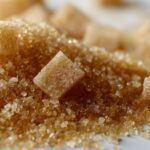
Table sugar works well too, though the correct dose is slightly different by volume. It is easy to source and cost-effective, and it will not hurt head retention when used in the right range. Dry malt extract brings a light malt note and can help head, but you need to plug the right fermentability into your calculations because DME versions vary. Honey and molasses can add flavor, color, and aroma, but their density and sugar mix are not uniform, so your measurements need care if you decide to use them.
Carbonation Targets by Beer Style
Every beer style has a normal range of CO₂ volumes. Lagers, English ales, and big malt styles often sit lower, while wheat beers and saisons sit higher. If you do not match the style target, the beer can feel flat or sharp, even when your amount of sugar looks right on paper.
Set a goal, then confirm if your style leans low, medium, or high. When possible, review a style chart, cover your goal, and note the number before you prime. This small step explains why two people asking how much priming sugar for 5 gallons of beer can reach different answers and both be correct for their style.
Temperature Changes the Dose
Fermentation temperature shapes the residual CO₂ in your finished beer. Warmer beer holds less CO₂, so you need more primer to reach the same carbonation target. Cooler beer holds more, so you use less. This is why “5 oz for 5 gallons” can be too much for a cool-conditioned batch and not enough for a warm batch.
Record the highest temperature the beer reached after fermentation and conditioning. That number is the temperature you use in a calculator. If you skip this step, your calculations may miss by a half to a full volume, which is enough to push you into gusher territory or leave the beer dull.
Temperature and Residual CO₂ Quick Guide
Use this to estimate how much CO₂ your beer already holds based on its highest post-fermentation temperature. Plug this residual CO₂ value into your priming calculator to adjust the sugar dose accurately.
- 60°F (15.5°C): ~0.99 volumes residual CO₂
- 68°F (20°C): ~0.85 volumes residual CO₂
- 72°F (22°C): ~0.79–0.81 volumes residual CO₂
- 75°F (24°C): ~0.75–0.77 volumes residual CO₂
Precise Method with Online Calculators
Online calculators ask for four inputs: actual packaged gallons (or liters), the highest fermentation temperature after the wort finishes, your beer style target in CO₂ volume, and the primer type (dextrose, table sugar, DME, honey, or molasses). Enter those values and plug the numbers in. The tool returns the correct amount to prime your brew.
When two calculators give a slight difference, pick the lower dose if you are new to home brewing. You can always add a bit of time and warmth to finish carbonate during conditioning, but you cannot safely pull CO₂ back out of bottles. This simple rule cuts the risk of bottle bombs and exploding bottles.
Step-by-step priming and bottling
Sanitize all equipment that touches the beer: bottling bucket, racking cane, tubing, bottle filler, capper, caps, and bottles. Boil water, stir in the measured primer, and mix until fully dissolved to make your priming solution. Let it cool to room temperature and pour it into the bottling bucket first.
Rack the beer gently onto the solution so it blends without splashing. Fill each bottle to a consistent height, cap firmly, label the batch, and store at room temperature. Most beers need about two weeks to reach stable carbonation levels. Test one bottle after 14 days. If it needs more time, give it a few days and check again.
Safety and Quality
To avoid bottle bombs, confirm the beer reached a stable final gravity before you prime. If your measurements have moved since last week, wait until gravity stops moving. Confirm your actual packaged volume; a “5-gallon” batch rarely yields a true 5.0 gallons in bottles after losses, and that difference can push you over.
Watch storage heat. A hot closet can push fermentation activity and raise pressure fast. If you used glass, handle with care while conditioning. Keep filled cases in boxes to cover accidental breakage, and do not stack heavy loads on top during weeks one and two.
Troubleshooting Common Results
If the beer is undercarbed, warm the case a bit for 48 hours and retest. Lightly inverting each bottle once can help re-suspend yeast, but do not shake. If the room is cool, move a case to a slightly warmer spot for a few days. For the next batch, increase the priming amount of sugar by a small step.
If the beer is overcarbed, chill before opening and pour with care. If you used swing-tops, you can crack and re-cap to bleed a touch of gas at your own risk, but be careful. For the next brew, drop the primer dose, adjust your calculator inputs, and double-check the highest fermentation temperature you entered.
Scale Up or Down
The same process works for small testers and bigger batch size steps. For 1–2.5 gallons, scale the amount of sugar by volume, and keep the same rule for temperature and style targets. For a large split batch, measure what is actually going into each bottling bucket and run a separate calculator pass for each one.
Remember that losses change packaged volume. Trub, hops, and transfers often remove a bit more than you expect. Record what you bottle, not what your kettle said. A short review of these notes pays off the next time you ask how much priming sugar for 5 gallons of beer on the same system.
Procurement and Handling Notes
Food-grade corn sugar, table sugar, and DME come in different bags and sizes. Pick the packaging that fits your pipeline so you can stick to repeatable measurements. Store sugars in a dry place, close the bag, and keep them off the floor. If you buy honey or molasses, confirm specs or use a hydrometer to remove guesswork.
If you need to create a house SOP, write the calculations you use for how much priming sugar for 5 gallons of beer, list the equipment and steps, and cover training with your team so the process does not drift. Simple, repeatable steps cut waste and protect taste.
If you are looking for dependable, food-grade sugars for bottle conditioning and small production runs, we offer dextrose, sucrose, and specialty sweeteners with COAs, lot tracking, and fast nationwide delivery from a fully stocked, multi-warehouse network. If you like to keep bottling days on schedule and match pack sizes to your batch cadence, we can support consistent supply and smooth logistics anywhere in the USA. To learn more, visit our page Brewery and Winery.
Small Reference Table for 5 Gallons
Use this table to pick a starting priming dose for a 5-gallon batch by primer type. Treat the amounts as benchmarks and adjust for beer style, highest fermentation temperature, and actual packaged volume.
| Primer type | Typical measure for 5 gallons | Notes |
| Corn sugar (dextrose) | ~3/4 cup (about 4–5 oz by weight) | Neutral flavor, easy to mix, best bet |
| Table sugar (sucrose) | ~2/3 cup (about 4–5 oz by weight) | Works well, adjust by calculator if warm |
| Dry malt extract (DME) | ~1 1/4 cups | Check fermentability, which may aid head retention |
| Honey | 1/2 to 1 cup | Measurements vary, which can alter the taste a bit |
| Molasses | Varies | Strong flavor, use with care, and review specs |
Conclusion
The short answer to how much priming sugar for 5 gallons of beer is simple: 3/4 cup corn sugar, 2/3 cup table sugar, or about 1 1/4 cups DME by volume and 4–5 oz by weight for dextrose, then tune by fermentation temperature, beer style, and actual packaged volume. A quick pass through online calculators lowers the risk of exploding bottles, and a steady bottle conditioning routine gives you repeatable carbonation in two weeks. When you prime with purpose and track your measurements, every homebrew batch gets closer to your target.
At US Sweeteners, we supply food-grade dextrose, sucrose, and related ingredients in practical sizes with reliable delivery for bottling days. If you want a steady supply to cover upcoming brews, we can help you choose packaging that fits your pipeline and keeps your bottling bucket moving. Contact us to request availability, packaging options, and a quick quote.
FAQs
How much priming sugar for 23 litres of beer?
Use a calculator with your fermentation temperature, beer style target, and primer type. A broad starting band is ~160–180 g dextrose, then adjust by temperature and style.
How much sugar do I add to 5 gallons of wine?
Most wines are not bottle-conditioned. For sparkle, use a wine-specific calculator and pressure-rated bottles and closures. Start low around 3–4 oz dextrose by weight and refine with the calculator.
How much priming sugar for 5 gallons of beer?
Common answers are 3/4 cup dextrose or 2/3 cup table sugar for 5 gallons, but users also say to use a calculator with temperature and style to avoid bottle bombs.
How much sugar do I need for 5 gallons of mash?
That is a recipe choice for fermentables, not priming. For bottle carbonation, use 4–5 oz dextrose by weight for 5 gallons and refine with a calculator.