How Many Grams of Sugar per 16 oz Beer for Priming?
If you want a direct answer to how many grams of sugar per 16-oz beer for priming, you’re in the right place. The number changes with beer style, temperature, and the sugar you choose, but there are reliable ranges you can weigh and repeat for consistent results.
At US Sweeteners, we supply food-grade corn sugar, cane sugar, dry malt extract, and specialty syrups in brewer-friendly pack sizes. Our multi-warehouse network helps breweries, beverage producers, and manufacturers keep steady inventory and avoid delays at bottling time.
How Many Grams Per 16 oz
For most ales and lagers targeting 2.3–2.6 volumes of carbon dioxide, a 16-oz (473 ml) bottle will need about 2.4–3.0 grams of corn sugar (dextrose) or 2.1–2.7 grams of table sugar (sucrose). If you use dry malt extract, plan on 3.5–4.2 grams per 16 oz because DME ferments less completely than simple sugar. Always weigh your dose on a precise scale and adjust for fermentation temperature and desired carbonation.
These are working ranges, not guesses. The exact dose of how many grams of sugar per 16 oz beer for priming is temperature-dependent and style-dependent. Liquids hold more CO₂ when colder, so a cold-crashed beer may need less priming than a warm one to reach the same volume target.
Why Per Bottle Priming is Different
Many brewers prime the entire batch in a bottling bucket because mixing a single priming solution gives very consistent carbonation across all bottles. Bottle priming one bottle at a time is fine for split tests, small trials, or topping up a short case, but it demands careful measuring and even mixing.
According to research, bottle conditioning is an extra fermentation step: yeast and fermentable extract are added to packaged beer to create carbonation. Lab protocols describe dosing bottles with a measured glucose (priming sugar) solution to generate CO₂ during conditioning.
If you prefer to prime one bottle, make a small sterile sugar syrup, measure the grams needed for how many grams of sugar per 16 oz beer for priming, and add the dose with a syringe so the volume is repeatable. If you want the fastest path to uniform results, dissolve the correct amount for the whole batch, rack from the fermentation vessel onto the priming solution, and fill all bottles from that container.
What Changes Your Number
The main driver is fermentation temperature and the current temperature at bottling time. Cooler beer contains more residual CO₂, which means less added sugar to hit the same desired carbonation. If the beer was cold crashed, some CO₂ can re-absorb into the beer, so plan to reduce the dose by a half step.
The next driver is beer style. British bitter and dark mild sit lower in volume, many American ales sit mid-range, and wheat beer often sits higher. A lager is commonly similar to a pale ale but can vary with brand targets. When planning how many grams of sugar per 16 oz beer for priming, decide your volume target first, then adjust the grams.
Reference Grams Per 16 oz
Use this as a practical starting point for how many grams of sugar per 16 oz beer for priming at 64–70°F beer temperature. If your beer is much colder, trim the dose by 5–10%. If it is warmer, add 0.1–0.2 g.
| Target CO₂ (vol) | Corn sugar dextrose | Table sugar sucrose | Dry malt extract |
| 2.0 | 2.0 g | 1.8 g | 3.0 g |
| 2.3 | 2.4 g | 2.1 g | 3.5 g |
| 2.6 | 3.0 g | 2.7 g | 4.2 g |
| 2.8 | 3.3 g | 3.0 g | 4.7 g |
These values are tuned for a single 16-oz bottle, not a full gallon calculation. They align with common batch rules for 5 gallons when scaled up. Always weigh the dose rather than using a teaspoon or cups, as weight removes air space error in scoops.
A simple Method that You Can Repeat
- Pick the style and set the desired carbonation in volumes of CO₂. A pale ale might sit at 2.3–2.5; a wheat beer might sit at 2.6–2.8.
- Check temperature. Use the highest beer temperature the batch has seen after fermentation. If the beer was cold-crashed, plan a small dose reduction.
- Select the sugar. Corn sugar (dextrose) and table sugar (sucrose / cane sugar) are the most popular priming sugar options for clean flavor. Dry malt extract works too, but needs more grams.
- Use the table above or a calculator to determine how many grams of sugar per 16 oz beer for priming.
- Make a priming solution by dissolving the sugar in boiling water, cool it, then stir to distribute evenly, whether you are dosing one bottle or the entire batch.
This path prevents inconsistent carbonation and lowers the risk of bottle bombs. If you prefer carbonation drops or sugar cubes, follow the label and expect a small tolerance band since drops are designed for convenience, not precision.
Priming Choices and What They Change
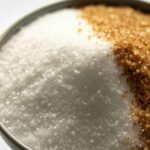
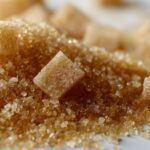
Corn sugar (dextrose) is a popular priming sugar because it ferments clean and predictably. Table sugar (sucrose/cane sugar) works as well and is fully fermentable with a neutral taste at priming levels. Dry malt extract adds malt compounds and has lower apparent attenuation, which is why it needs more grams for the same target carb.
You can also use sugar syrup, corn syrup, invert sugar syrup, Belgian candy sugar, Belgian candy syrup, maple syrup, sorghum syrup, molasses, or black treacle, but density and fermentability change by brand and batch. If you use syrups, weigh by weight and treat the syrup like any other liquid addition. Expect small flavor shifts with dark syrups.
If you’re scaling your bottling runs, we offer brewer-ready corn sugar, cane sugar, dry malt extract, and specialty syrups with custom packaging and fast nationwide delivery from our multi-warehouse network. If you are looking for consistent inventory and fewer bottling delays, our team can match pack sizes to your line and schedule replenishment to keep every batch on time. Visit our Brewery & Winery page to see options and logistics support tailored for breweries and beverage producers.
Mixing and Dosing the Right Way
For one bottle, dissolve your measured grams in a small sterile water dose, draw it into a syringe, and add it to the bottle before filling. Cap and store warm for conditioning. This keeps your how many grams of sugar per 16 oz beer for priming plan tight and repeatable.
For an entire batch, boil the full sugar dose in water, cool, and pour it into the bottling bucket. Rack the beer from the fermentation vessel onto the solution and stir gently to avoid stratification. Fill all bottles from that container so every bottle sees the same solution.
Temperature Style and Timing
Because solubility is temperature dependent, a beer packaged at 60–62°F will often need less sugar than the same beer at 70–72°F to reach the same volume. If your batch was cold-crashed, take how many grams of sugar per 16 oz beer for priming from the lower end of the range.
Beer style targets vary. English styles often sit at 1.8–2.1 volumes, many American ales sit at 2.2–2.6, and wheat or saison can run 2.6–3.0. Plan bottling time at warm room temp for 10–14 days, then chill and test a bottle before committing the whole case to drinking or storage.
Safety and Avoiding Bottle Bombs
Exploding bottles come from too much sugar, live fermentation not yet finished, wild swings in heat, or measuring by cups rather than grams. The fix is simple: record batch volume in litres or gallons, verify stable gravity over several days, and use a precise scale for measuring.
If a case shows signs of excess pressure, such as domed caps or gushing, chill the case, vent one test bottle in a sink, and review your notes. When working out how many grams of sugar per 16 oz beer for priming, small overages can push pressure high, so avoid free-pouring any sugar type.
Flavor Impact and When it Matters
At priming levels, corn sugar, cane sugar, sucrose, and dextrose are neutral. Dry malt extract can carry a light malt flavor that may fit a darker beer. Molasses, black treacle, or maple syrup can add color and hints of character, but they can also ferment at slightly different rates, so plan your doses carefully if you go this route.
If your goal is clean and repeatable, simple sugar is the best path. If your goal is a small twist for a stout or porter, a measured gram dose of a dark syrup can be a nice treat without moving the beer out of balance.
Troubleshooting Common Issues
If the beer is under-carbonated after two weeks, warm the case and wait a few more days. Check that the yeast was still viable at packaging and review whether the batch was kept too cold to finish the bottle carb. You can add a tiny booster dose to a test bottle and compare.
If the beer is over-carbonated, chill all bottles right away. Next time, reduce the grams when planning how many grams of sugar per 16 oz beer for priming, verify final gravity, and avoid dosing by teaspoon guesses. Good measuring habits make a big difference.
Alternatives and Convenience Options
Sugar cubes and carbonation drops are simple to use. They remove math, but also remove fine control. If you go this route, keep the bottles warm and sample one after 10–14 days before moving the whole case to cold storage.
Rice solids and specialty syrups can work, but the fermentable point per gram can shift by brand. When using invert sugar syrup, Belgian candy syrup, or Belgian candy sugar, weigh the dose carefully. For how many grams of sugar per 16 oz beer for priming with syrups, start at the dextrose values and adjust down slightly if the syrup label shows higher fermentability.
Conclusion
Getting how many grams of sugar per 16 oz beer for priming right comes down to three steps. Pick a realistic CO₂ volume for your style, use the highest post-fermentation temperature to judge residual gas, and weigh a clean fermentable that matches your goal. Keep records, test one bottle before moving cases, and you’ll get steady carbonation without exploding bottles or guesswork.
At US Sweeteners, we supply corn sugar, cane sugar, dry malt extract, and specialty syrups for breweries and beverage producers. If you want a steady supply with brewer-ready packs and reliable lead times, we can match inventory to your schedule. Contact us to set up a simple stocking plan for your packaging days.
FAQs
How much sugar for priming beer?
Use 2.4–3.0 g dextrose or 2.1–2.7 g sucrose per 16 oz for mid-range ales at room temperature. Scale up for your gallons and adjust for style and temperature.
What is the ratio of sugar to beer?
For mid-range carbonation, plan about 14–18 g dextrose per gallon, which is 2.4–3.0 g per 16 oz. Warmer beer needs slightly more; colder beer needs slightly less.
What is the best priming sugar for beer?
The most popular priming sugar is corn sugar (dextrose) for neutral flavor and predictable fermentation. Table sugar (sucrose / cane sugar) works the same at slightly lower grams.
How much sugar to add to 23 litres of beer?
For 23 litres at 2.4–2.6 volumes, use about 320–380 g dextrose or 280–340 g sucrose, then refine based on fermentation temperature and style.