Best Sugar for Brewing: Tips and Recommendations
Choosing the best sugar for brewing can help you produce better beer with consistent alcohol content and flavor. Different sugars serve different purposes during the brewing process. Some are used to boost alcohol levels, others help with carbonation, and some contribute unique flavors and aromas. Whether you’re brewing lagers, stouts, or fruit-forward ales, sugar plays an essential role in the way beer ferments and tastes.
This article explains the most common brewing sugars, how they work, and when to use each one. It also covers how yeast interacts with sugar, how to choose the right type for your style, and practical tips for priming and fermentation. If you’re aiming for clean, consistent results or experimenting with flavor, understanding your sugar options can make a big difference.
Why Sugar is Used in Brewing
Sugar is a core ingredient in the brewing process. It provides fermentable carbohydrates that yeast converts into alcohol and carbon dioxide. The specific sugar used will influence the alcohol level, taste, and body of the beer. Some sugars ferment completely and leave no flavor, while others add character or sweetness.
Many brewers rely on refined sugars or malt extract to adjust lightness, ABV, or clarity. These additions help manage stuck fermentations and provide more consistency across batches. Using simple sugars can also help standardize recipes when brewing at scale or using seasonal ingredients.
How Yeast Uses Sugar to Ferment Beer
During primary fermentation, yeast consumes sugars in a specific order. It typically starts with glucose, followed by fructose, then maltose and maltotriose. An enzyme called invertase breaks down disaccharides, such as sucrose, into monosaccharides, allowing them to be fermented. Larger sugars like maltose take more time for yeast to process, and their uptake depends on the concentration of simpler sugars in the wort.
Research from brewing science resources confirms that fructose and glucose (dextrose) are consumed rapidly by yeast, often contributing very little flavor or character to the beer. This is why most brewers commonly use corn sugar (100% fermentable dextrose) to boost alcohol content without altering the flavor profile.
Types of Brewing Sugar and When to Use Them
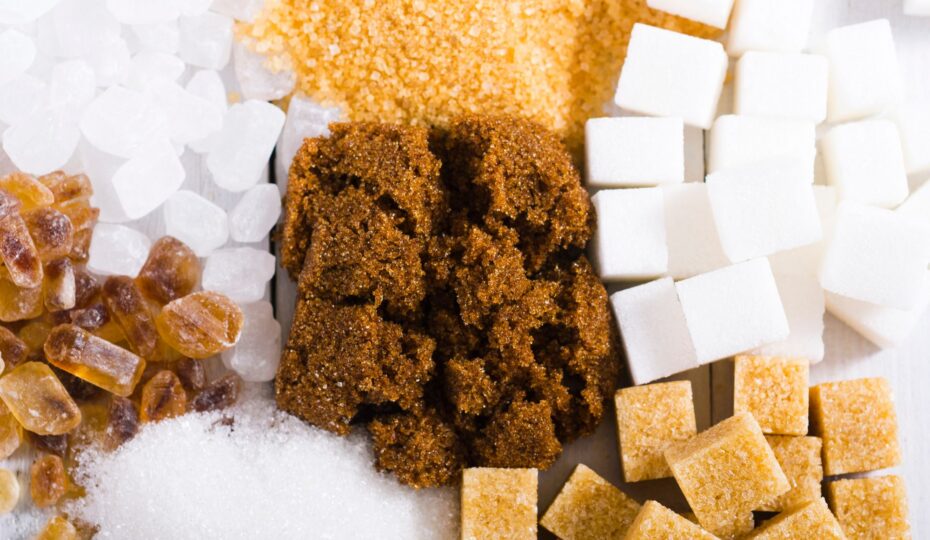
Brewers have several sugar options, and each one brings something different to the beer. Some sugars are flavor-neutral, while others add sweetness, color, or character. Below explains what each sugar does and when it’s best to use it based on your brewing goals.
Corn Sugar (Dextrose)
Corn sugar is a simple sugar made from corn. It is fully fermentable and neutral in taste. Dextrose is commonly used to increase ABV or as priming sugar during bottling. It does not add color or body to the beer, which makes it a good choice for lighter beers. It’s also a reliable option in beer kits for adjusting alcohol content without changing the flavor.
Pros: Corn sugar is easy to measure and dissolves quickly in both hot and cold liquids. It does not change the flavor profile of the beer, making it a popular option for brewers looking to boost alcohol content or carbonate their beer without adding complexity.
Cons: Corn sugar does not contribute body or residual sweetness to the beer. It ferments completely and leaves no trace behind, which may not be ideal if you’re trying to round out the flavor or improve mouthfeel.
Cane Sugar and Table Sugar
Cane sugar and table sugar are made from sucrose. These sugars are fully fermentable and widely available. Most brewers use them in small amounts to boost alcohol content without adding body. When used in excess, sucrose may stress yeast or alter the taste. The enzymatic breakdown begins with invertase, which splits the sucrose into glucose and fructose.
Use in small amounts for higher ABV beers like IPAs or Belgian-style ales.
Beet Sugar and Sugar Beets
Beet sugar is also made from sucrose and behaves similarly to cane sugar in fermentation. While beet sugar comes from sugar beets, it is chemically identical to cane sugar. Some brewers avoid it in lighter recipes due to potential off-flavors, though others find no difference in flavor outcome. It’s a cost-effective option in regions where sugar beets are a primary crop.
Best used in neutral beers or where cost efficiency is a higher priority than nuance.
Brown Sugar and Molasses
Brown sugar contains molasses, which adds color and a rum-like flavor. Molasses itself is less fermentable and contributes a strong taste. These sugars are best used in porters, stouts, and amber beers. They increase sweetness and body, but should be used in moderation. Molasses can also contribute additional minerals and acids that influence yeast behavior.
Avoid using more than 10% of the total fermentables from molasses to prevent overpowering the beer.
Honey
Honey is high in fermentable sugars, including glucose and fructose. It also contains trace amounts of maltose and unfermentable carbohydrates. Honey adds light floral or fruity notes and is best added after primary fermentation to retain its flavor. Due to its antibacterial properties and natural wild yeasts, it should be pasteurized before use.
Honey pairs well with wheat beers, saisons, or light ales. It can also help thin out heavier beers when a dry finish is desired.
Maple Syrup
Maple syrup is mostly sucrose and behaves similarly to cane sugar. It adds a mild, woody sweetness. To preserve flavor, add maple syrup after fermentation. Grade B syrup provides more taste than Grade A Light Amber. It pairs well with spiced beers or fall-themed recipes. Like honey, it should be handled with care to avoid contamination.
Use around 0.5 to 1 gallon of syrup per 5-gallon batch for noticeable character.
Malt Extract
Malt extract is made from malted barley and contains both fermentable and unfermentable sugars. It contributes flavor, color, and body. Available in light, amber, and dark varieties, malt extract is common in beer kit recipes and for adjusting body in lagers and ales. It can be used in liquid or dry form and is a key ingredient for extract brewers.
Malt extract also provides essential nutrients for yeast and helps maintain head retention in the final beer.
Sugar Form
Sugars used in brewing are available in several forms. The format you choose can affect ease of use, sanitation steps, and how much control you have over dosing.
- Powders: Sugars like dextrose and cane sugar dissolve easily in wort. They are ideal for full-batch additions and precise dosing.
- Syrups: Ingredients such as honey and molasses add both fermentable sugars and flavor. Use caution with sanitation and add after fermentation to preserve taste.
- Drops: Carbonation drops offer a simple way to prime individual bottles. They are helpful for beginners who want consistent carbonation without measuring.
Priming Sugar
Priming sugar is added before bottling to create carbonation. Yeast consumes this sugar to produce carbon dioxide inside the sealed bottle. The most common priming sugar is corn sugar due to its high fermentability and neutral taste. Other sugars can work, but may influence flavor or carbonation strength.
Too much priming sugar can lead to over-carbonation or bottle bombs. Too little results in flat beer. Always calculate the correct dose based on beer temperature and style.
Common Priming Sugar Choices
- Corn sugar (dextrose)
- Cane sugar (table sugar)
- Honey
- Maple syrup
Brewing Tips
Accurate measurement is important when brewing. Always weigh your sugar instead of using volume. This helps maintain consistency across batches. Keep sugar additions below 20% of total fermentables to avoid fermentation problems. Add sugars like honey or maple syrup after primary fermentation to keep their flavors intact.
Healthy yeast leads to better fermentation. Make sure your yeast has enough nutrients, and always sanitize any sugar additions. Choose sugars that match the base beer style. When testing new sugars, only change one variable at a time. Keep records of your recipes and results to refine future brews.
Conclusion
Choose your sugar based on the recipe and what you want the final beer to taste like. Use fully fermentable sugars like corn sugar or cane sugar when you want to boost ABV without adding body. For flavor and complexity, use brown sugar, honey, or maple syrup in the right styles. Control the amount and timing to support clean fermentation and better beer. Matching sugar types to beer styles and tracking their effects helps improve your brewing process over time.
US Sweetener offers high-quality brewing sugars, including dextrose, cane sugar, honey, and malt extract. We supply bulk sweeteners trusted by brewers who want reliable results with every batch. Contact us today if you have any questions about sourcing the right sugar for your brewing needs or placing a bulk order.
FAQs
What is the best sugar for brewing beer?
The best sugar for brewing is corn sugar (dextrose) because it is fully fermentable and flavor-neutral. It boosts alcohol content and helps with carbonation without affecting the beer’s taste or body.
Can I use table sugar instead of brewing sugar?
Yes, you can use table sugar (cane sugar or beet sugar) instead of brewing sugar. It is fully fermentable but may slightly affect flavor or yeast performance if used in large amounts.
What sugar adds the most alcohol to beer?
Simple sugars like dextrose and sucrose add the most alcohol to beer because they are 100% fermentable and convert easily into alcohol during fermentation.
Is brown sugar good for brewing beer?
Brown sugar is good for brewing dark beers like porters or stouts. It adds sweetness, body, and mild molasses flavor, but should be used in moderation.
What sugar should I use for priming beer?
Corn sugar (dextrose) is the most common priming sugar for beer. It dissolves easily, ferments completely, and produces consistent carbonation.